Table of Contents
- Why Carpets Get Dirty So Fast: The Science Behind Rapid Resoiling
- Detergent Residue and Sticky Buildup
- The Wicking Phenomenon Explained
- Over-Wetting and Fiber Saturation Issues
- How Often Should Carpets Be Cleaned for Best Results
- Carpet Resoiling Causes and High-Traffic Areas
- Static Electricity and Dust Attraction
- Best Practices for Carpet Maintenance Between Cleanings
- Preventing Rapid Resoiling: A Maintenance Schedule
- Conclusion
Last Updated: August 24, 2026
Why Carpets Get Dirty So Fast: The Science Behind Rapid Resoiling
Your carpets looked pristine after cleaning. Two weeks later, they’re dingy again. This frustration is real, and it’s not a reflection on your cleaning habits or the quality of the cleaning itself. At Lake Geneva Carpet Cleaning, we’ve spent over 32 years helping homeowners understand why carpets resoil so quickly, and more importantly, what actually stops it.
Why do carpets get dirty so fast? The answer involves multiple interconnected factors: detergent residue left behind, the wicking phenomenon pulling soil back to the surface, over-wetting that saturates carpet fibers and padding, static electricity attracting dust, and the simple reality that high-traffic areas face constant exposure to new contaminants. Understanding these mechanisms is the first step toward keeping your carpets cleaner longer.
This guide walks you through each cause of rapid resoiling, explains the science behind it, and gives you actionable strategies to extend the time between professional cleanings. Whether you’re dealing with pet stains that resurface, dust that settles faster than it should, or that general dingy appearance that returns within weeks, the solutions start with understanding the problem.
The real issue isn’t that your carpets are “dirty”, it’s that soil and residue are being redeposited on fibers faster than normal wear would account for. Addressing the root cause matters far more than cleaning more frequently.
Detergent Residue and Sticky Buildup
Detergent residue is one of the most overlooked culprits behind rapid resoiling. When cleaning solutions aren’t fully rinsed away, they leave a sticky film on carpet fibers. This residue acts like a magnet for new soil particles, dust, and debris, causing your carpets to look dirty again within days or weeks.
Here’s how it happens: cleaning shampoos and detergents are designed to break down and suspend soil so it can be extracted. But if the rinsing process is incomplete, whether from DIY rental machines with insufficient suction or improper technique, that soap film remains. Every footstep, every air current, every dust particle in your home is now attracted to those sticky fibers. The carpet accumulates new soil far faster than it would on truly clean fibers.
The chemical composition matters here. Many store-bought cleaners use surfactants that are highly effective at lifting soil but require thorough rinsing to remove completely. If rinsing is rushed or incomplete, you’re left with a residue that actively pulls dirt from the air and floor traffic back onto your carpet.
This is why professional hot water extraction with proper rinsing techniques makes such a difference. The extraction method uses high pressure to force water through the carpet pile and padding, then removes it with powerful suction. When done correctly, it removes not just the soil but also the cleaning solution itself, leaving fibers clean and residue-free.
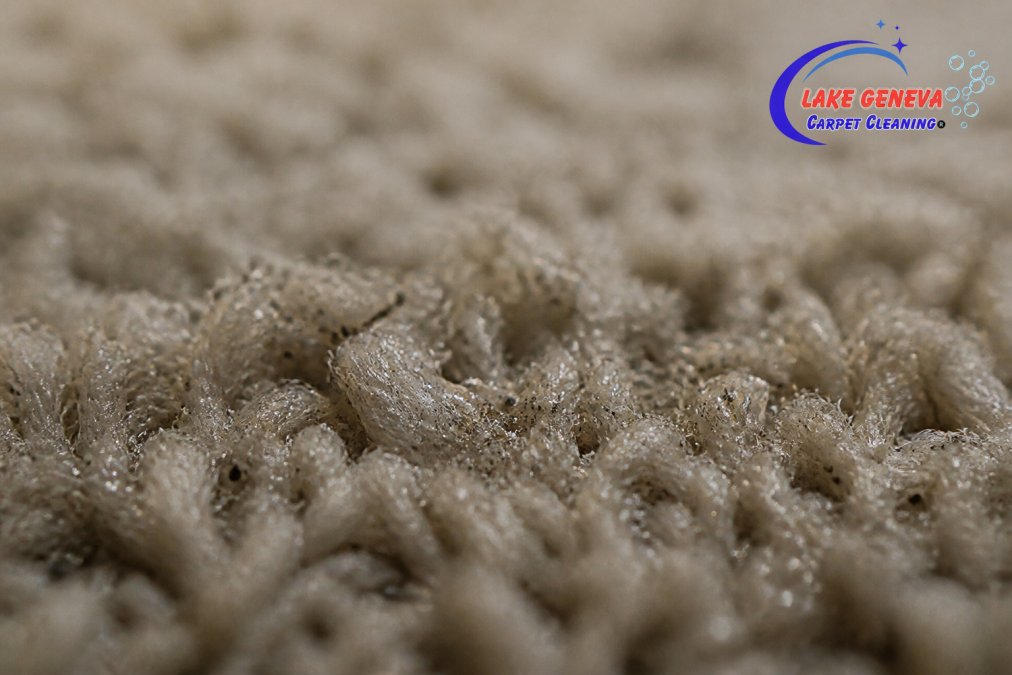
Incomplete rinsing is a common mistake with rental machines and DIY approaches. The result isn’t just temporary, it actively accelerates resoiling for weeks after cleaning. Your carpets may look clean initially, but the sticky residue ensures they’ll look worse than before within 7-10 days.
The Wicking Phenomenon Explained
Wicking is a mechanism that many homeowners have never heard of, yet it’s responsible for a significant portion of rapid resoiling complaints. Understanding wicking explains why stains and dirt seem to return even after they’ve been cleaned away.
Wicking occurs when moisture moves through carpet fibers and padding, carrying dissolved soil with it (peer-reviewed research). When carpet is over-wet during cleaning, water saturates not just the surface pile but also the backing and padding underneath. As the carpet dries, water moves upward through capillary action, the same force that allows plants to draw water from soil. This upward movement of water carries dissolved soil particles with it, depositing them back on the surface as the water evaporates.
This is particularly problematic with pet stains and food spills. If the original stain reached the padding (which pet accidents almost always do), cleaning the surface alone doesn’t address the problem. Water used during cleaning can actually reactivate those deep stains, causing them to wick back up to the surface. Within days or weeks, the stain reappears, not because the cleaning failed, but because the underlying contamination is still present and mobile.
The pH balance of your cleaning solution matters for wicking. Alkaline (high pH) solutions can actually increase wicking by making soil particles more likely to remain suspended and mobile in water. Acidic rinses help neutralize this, which is why professional cleaners often use a rinse step with lower pH water to reduce the likelihood of soil re-depositing as the carpet dries.
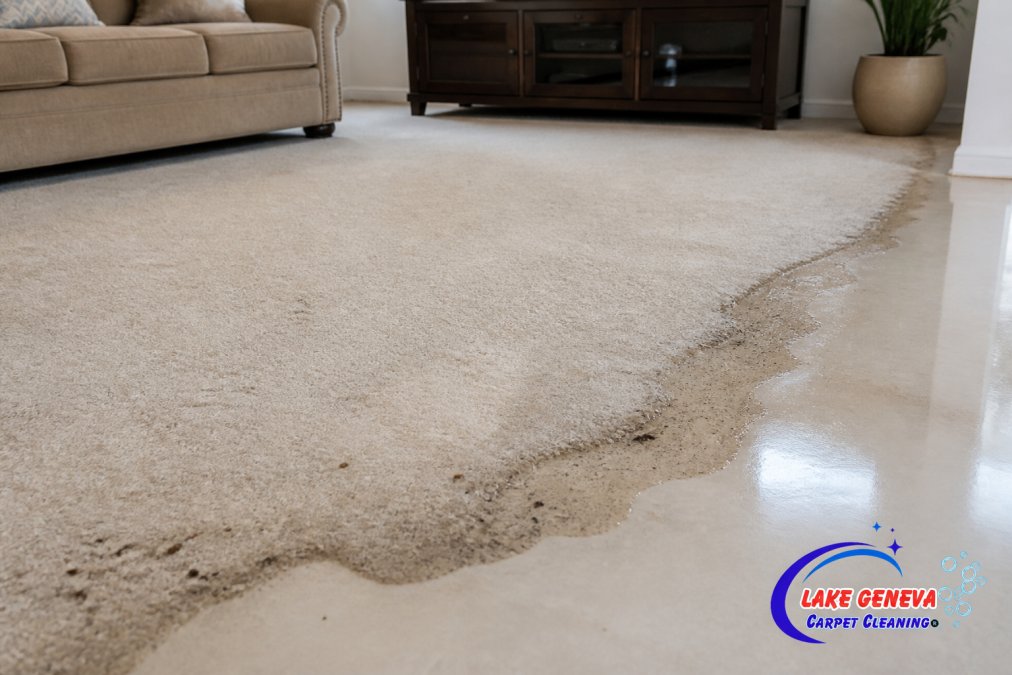
In Lake Geneva’s climate, with seasonal humidity fluctuations, wicking can be especially problematic. High humidity slows drying time, extending the period during which wicking can occur. This is why drying time and air circulation are critical factors in preventing rapid resoiling.
Over-Wetting and Fiber Saturation Issues
Over-wetting is one of the most common causes of rapid resoiling, and it’s particularly prevalent with DIY rental machines. Many homeowners assume that more water means cleaner carpets. In reality, excessive water causes multiple problems that directly lead to faster resoiling.
When carpet is over-saturated, several things happen simultaneously. First, the water penetrates not just the carpet pile but the backing, padding, and sometimes even the subfloor. This extended moisture saturation creates an ideal environment for mold and mildew growth, which can cause odors and health concerns. Second, over-wet carpet takes much longer to dry, sometimes 24 hours or more, during which time wicking occurs and soil particles have ample opportunity to re-deposit on the surface.
Rental machines, while functional, often lack the suction power of professional truck-mounted extraction systems. This means they can’t remove water as thoroughly as necessary. A homeowner running a rental machine might leave 30-40% of the water behind, thinking the carpet is "dry enough." That residual moisture continues to cause problems for days afterward.
Fiber saturation also affects how soil adheres to carpet. Over-saturated fibers are weakened and more susceptible to soil particles embedding themselves deeper into the pile. This makes future cleaning more difficult and contributes to the perception that carpets are getting dirtier faster.
The solution isn’t to use less water, it’s to use the right amount of water with proper extraction. Professional hot water extraction uses high temperatures to help suspend soil, but the key is the extraction step: powerful suction that removes water, soil, and cleaning solution in one pass (iicrc.org). This leaves carpet damp, not soaked, and allows it to dry within 4-6 hours in normal conditions.
How Often Should Carpets Be Cleaned for Best Results
Understanding how often carpets should be cleaned is essential for preventing rapid resoiling. The answer depends on several factors: household traffic, pets, children, and the carpet’s fiber type.
For most households, professional deep cleaning every 12-18 months is a reasonable baseline. However, homes with pets, children, or high foot traffic should consider cleaning every 6-12 months. High-traffic commercial spaces in Lake Geneva often benefit from quarterly cleaning.
The key is recognizing that professional cleaning and regular maintenance are complementary, not alternatives. You can’t vacuum your way to deep cleanliness, but you can vacuum your way to extending the time between professional cleanings. Regular vacuuming, ideally 2-3 times per week in high-traffic areas, removes surface soil before it has time to embed itself deeper into the pile.
Between professional cleanings, spot cleaning is essential. Fresh stains should be addressed immediately. The longer a stain sits, the more likely it is to set into the fiber and become a permanent resoiling point. Blot stains rather than rub them; rubbing pushes soil deeper into the pile.
The optimal cleaning schedule balances professional deep cleaning with diligent maintenance. For most homes, professional cleaning every 12-18 months combined with consistent vacuuming and prompt spot cleaning keeps carpets looking their best.
Carpet Resoiling Causes and High-Traffic Areas
Rapid resoiling isn’t uniform across your home. It’s concentrated in high-traffic areas where foot traffic is constant. Understanding why high-traffic zones resoil faster helps you prioritize maintenance and cleaning efforts.
High-traffic areas accumulate soil faster because they receive repeated exposure to dirt, dust, and contaminants. Entryways, hallways, and living room pathways see constant foot traffic, each step introducing new soil particles. In Lake Geneva homes, seasonal factors compound this: winter brings road salt and moisture tracked in from outside; spring and fall bring mud and debris.
The carpet pile in high-traffic areas becomes compressed over time. Flattened fibers don’t shed soil as easily as upright fibers do. Compressed pile also traps soil deeper, making it harder to remove with vacuuming alone. This is why high-traffic zones often look dingy even when the rest of the carpet looks relatively clean.
Fiber type affects how quickly high-traffic areas show soil. Lighter-colored carpets show dirt more visibly, but darker carpets can actually accumulate more soil before it becomes visible. Synthetic fibers (polyester, nylon) generally resist soiling better than natural fibers, but all fiber types are vulnerable in high-traffic zones.
The solution involves both prevention and targeted cleaning. Use area rugs or runners in high-traffic zones to reduce direct contact between foot traffic and the carpet pile. Vacuum these areas more frequently, daily in some cases. When professional cleaning is due, prioritize high-traffic areas for more intensive treatment.
Static Electricity and Dust Attraction
Static electricity is a hidden culprit in rapid resoiling that many homeowners never consider. Carpet fibers naturally accumulate static charge, especially in dry conditions common during winter months. This static charge attracts dust particles, which cling to the carpet and make it appear dingy.
The mechanism is straightforward: as you walk across carpet, friction between your shoes and the fibers generates static electricity. This charge builds up on the carpet surface. Dust particles in the air, from skin cells, pet dander, outdoor dust, and textile fibers, are attracted to this charged surface and settle onto the carpet. The result is a visible layer of dust that makes the carpet look dirty even if it was just cleaned.
This is particularly problematic in homes with low humidity, which is common during winter heating season. Dry air allows static charges to build and persist longer. The combination of static attraction and reduced humidity creates ideal conditions for dust accumulation.
Humidity control can help reduce static-related resoiling. Maintaining indoor humidity between 30-50% reduces static buildup while also improving indoor air quality (the EPA). Using a humidifier during winter months can make a noticeable difference in how quickly carpets appear to resoil.
Regular vacuuming also helps by removing dust before it can settle permanently into the pile. Vacuums with HEPA filtration are particularly effective because they capture dust that might otherwise be redistributed into the air, where it can resettle on the carpet.
Best Practices for Carpet Maintenance Between Cleanings
Extending the time between professional cleanings requires consistent maintenance. The strategies below are designed to reduce soil accumulation and prevent the conditions that lead to rapid resoiling.
Vacuum regularly and thoroughly. High-traffic areas should be vacuumed at least twice per week; lower-traffic areas once weekly. Use slow, deliberate passes rather than quick sweeps. This allows the vacuum to extract more soil from deep within the pile. Invest in a vacuum with strong suction and, ideally, HEPA filtration to capture fine particles that would otherwise be redistributed.
Address spills and stains immediately. Fresh stains are far easier to remove than set-in ones. Blot spills with a clean cloth, never rub, which pushes soil deeper. For liquid spills, use a small amount of cool water and continue blotting until the stain is gone. For solid debris, remove it first before treating with any liquid.
Use area rugs in high-traffic zones. Runners in hallways and rugs in entryways protect the underlying carpet from constant foot traffic. These are easier to clean than wall-to-wall carpet and can be replaced more affordably when they wear out. They also reduce the rate at which the main carpet pile becomes compressed and matted.
Control humidity levels. Maintain indoor humidity between 30-50% to reduce static electricity and slow mold growth. In Lake Geneva’s climate, this often means using a humidifier in winter and a dehumidifier in summer.
Manage indoor air quality. Dust and particulate matter settle on carpet and contribute to the dingy appearance. Use HEPA-filtered air purifiers to capture airborne dust before it settles. This is especially important for households with allergies or respiratory sensitivities.
Rotate furniture periodically. Furniture placement creates permanent traffic patterns and compressed areas. Moving furniture occasionally allows compressed carpet to recover and ensures more even wear across the room.
Use doormats at entries. Place doormats both outside and inside entry doors to capture soil before it reaches the carpet. This is particularly important in Lake Geneva homes during winter months when road salt and moisture are tracked in from outside.
Preventing Rapid Resoiling: A Maintenance Schedule
A structured maintenance schedule prevents rapid resoiling by addressing soil accumulation before it becomes visible. This schedule balances professional cleaning with consistent home maintenance.
| Maintenance Task | Frequency | Purpose |
|---|---|---|
| Vacuum high-traffic areas | 2-3 times per week | Remove surface soil before embedding |
| Vacuum other areas | Once per week | Maintain general cleanliness |
| Spot clean stains | Immediately upon occurrence | Prevent stains from setting |
| Professional deep cleaning | Every 12-18 months (6-12 for heavy traffic) | Remove embedded soil and residue |
| Check humidity levels | Weekly during winter | Reduce static and mold risk |
| Rotate furniture | Every 3-4 months | Prevent permanent traffic patterns |
| Refresh area rugs | As needed (typically annually) | Replace worn protective coverings |
The timeline above assumes normal household conditions. Homes with pets, children, or high commercial traffic may need to accelerate this schedule. Lake Geneva homes in particular should consider seasonal adjustments: more frequent cleaning during winter months when outdoor contaminants are tracked inside, and attention to humidity management during summer months when moisture levels can spike.
Professional cleaning should be scheduled based on visible soil accumulation and traffic patterns, not just calendar dates. If your carpets show visible soiling before 12 months have passed, don’t wait, schedule cleaning sooner. Conversely, in very light-traffic areas, you might extend the interval to 18-24 months.
The goal of this maintenance schedule isn’t to keep carpets perpetually pristine, it’s to maintain them at a level where they look and feel clean, support indoor air quality, and last longer before replacement becomes necessary.
Homeowners who implement this maintenance schedule consistently see a noticeable reduction in how quickly carpets resoil. The combination of regular vacuuming, prompt spot cleaning, and professional deep cleaning every 12-18 months keeps carpets looking fresher longer.
Conclusion
Rapid resoiling doesn’t happen by accident. It’s the result of specific, identifiable causes: detergent residue, wicking, over-wetting, static electricity, and concentrated foot traffic. Each of these factors can be addressed through proper cleaning technique and consistent maintenance.
The most common mistake homeowners make is assuming that DIY cleaning or rental machines deliver the same results as professional equipment. They don’t. Professional hot water extraction, when performed correctly, removes not just soil but also the cleaning solution itself, eliminating the sticky residue that accelerates resoiling. It extracts water thoroughly, reducing wicking and drying time. And it’s performed by technicians who understand the science behind why carpets resoil.
Lake Geneva Carpet Cleaning brings over 32 years of experience to every job, using state-of-the-art truck-mounted hot water extraction technology that addresses embedded allergens, stubborn stains, and seasonal contaminants. Our team understands the specific challenges that Lake Geneva homeowners face, from winter road salt tracked indoors to humidity fluctuations that affect drying and static buildup. We don’t just clean your carpets; we help you understand why they resoil and what you can do to extend the time between cleanings. Contact us for a free quote and discover how professional cleaning combined with proper maintenance keeps your carpets looking their best year-round.
Frequently Asked Questions
Why does my carpet look dirty again shortly after professional cleaning?
Rapid resoiling typically occurs due to detergent residue left in carpet fibers, wicking (where soil trapped in the pad moves back up), or over-wetting during cleaning. If carpets weren't properly rinsed or dried, moisture can reactivate soil particles. pH-balanced cleaning methods and proper extraction prevent this. Professional hot water extraction removes soil and residue more effectively than DIY methods, helping carpets stay cleaner longer.
What is carpet resoiling and how can I prevent it?
Carpet resoiling is when dirt and soil reappear on carpet fibers shortly after cleaning. It's caused by incomplete rinsing, wicking from the carpet pad, detergent residue attracting particles, or improper drying. To prevent it, ensure carpets are thoroughly rinsed with clean water, dried quickly with air circulation, and cleaned using pH-balanced methods. Regular vacuuming between professional cleanings also reduces the soil available to resettle on fibers.
How often should carpets be cleaned to prevent them from getting dirty fast?
Most households benefit from professional deep cleaning every 12-18 months, though high-traffic areas may need cleaning every 6-12 months. Regular vacuuming 2-3 times weekly in busy zones and spot cleaning spills immediately help extend the time between professional services. Homes with pets, children, or seasonal contaminants may need more frequent cleaning. A maintenance schedule prevents soil from accumulating deeply in fibers, which reduces rapid resoiling.
Can environmental factors in Wisconsin affect how quickly carpets get dirty?
Yes. Wisconsin's climate brings seasonal challenges like road salt, mud, sand, and moisture tracked indoors. These contaminants accelerate carpet soiling and can worsen wicking when carpets become over-saturated. Humidity and temperature fluctuations also affect drying times and static electricity buildup, which attracts dust and particulate matter. Using entry mats and removing shoes indoors helps minimize these environmental factors and keeps carpets cleaner longer.
Your carpets don’t have to look dingy two weeks after cleaning. Rapid resoiling is preventable when you address the underlying causes. Lake Geneva Carpet Cleaning can help you achieve deeper, longer-lasting cleanliness with professional extraction methods and guidance on maintenance that actually works. Reach out for a free quote and see the difference expertise makes.
This article was written using GrandRanker