Table of Contents
- Understanding Pet Stains and Odors
- Immediate Steps After a Pet Accident
- Pet Urine Carpet Cleaning Tools and Techniques
- Deep Extraction Cleaning Methods
- Bio-Enzymatic Treatment Solutions for Odor
- Best Practices for Pet Stain Carpet Maintenance
- How Long Does Professional Carpet Cleaning Take
- DIY vs. Professional Pet Stain Removal
- Health and Safety Considerations
- Conclusion
Last Updated: August 23, 2026
Understanding Pet Stains and Odors
Pet stains and odors represent one of the most persistent carpet challenges homeowners face. When a pet has an accident, urine penetrates carpet fibers, backing, and padding, creating multiple layers of contamination. The longer a stain remains untreated, the deeper it bonds to these layers, making removal exponentially harder.
Pet urine odor stems from bacteria and ammonia compounds that break down over time. This is why an old stain might suddenly smell worse: bacterial growth intensifies odor as decomposition continues. Surface cleaning alone won’t eliminate odors trapped deep in the carpet structure.
Pet stains fall into two categories: fresh accidents and set-in stains. Fresh stains, addressed within hours, respond well to immediate intervention. Set-in stains, those weeks or months old, require more aggressive treatment because urine has chemically bonded to carpet fibers and the subfloor. The bacterial component is critical, odor-causing bacteria thrive in the moist environment created by urine. Standard carpet cleaning removes surface bacteria, but bio-enzymatic treatments target the root cause by breaking down the organic compounds bacteria feed on.
Immediate Steps After a Pet Accident
The first hour after a pet accident is critical. Your immediate response determines whether the stain becomes permanent or manageable.
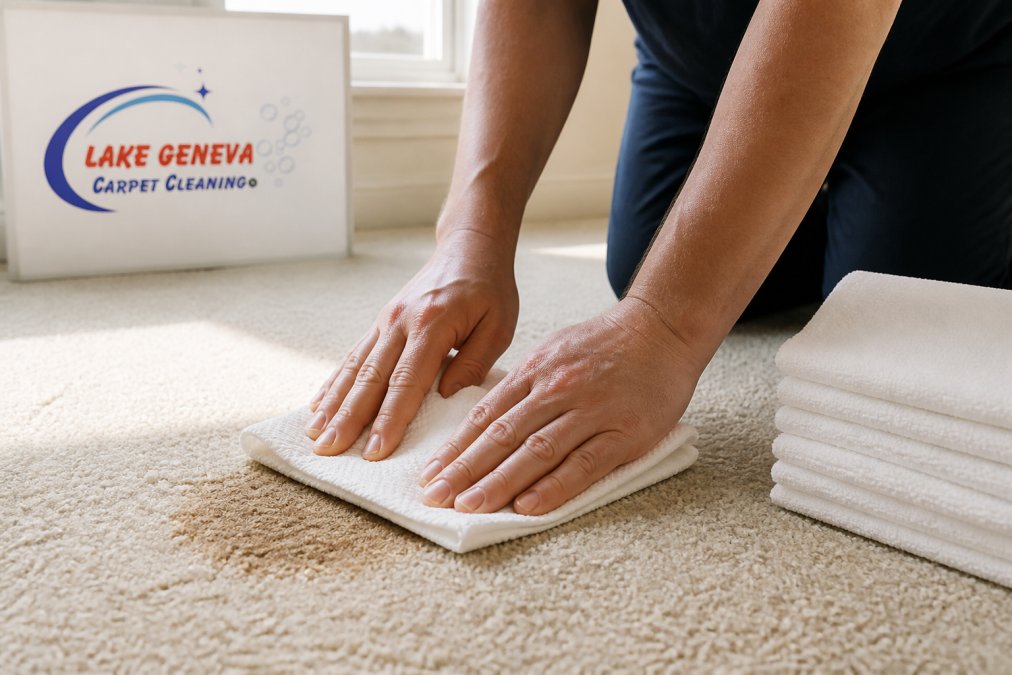
Start by removing as much liquid as possible using white towels or paper towels. Press down firmly without rubbing, which can push urine deeper into the fibers. Work from the outside edges toward the center to prevent spreading. Repeat until the towel comes away nearly dry.
Resist the urge to pour water on the spot, water can reactivate dried urine and push it deeper into the padding. Instead, apply a small amount of white vinegar diluted with equal parts water to help neutralize ammonia. Blot again thoroughly.
Many homeowners then assume the stain is gone because it looks clean and smells better temporarily. Vinegar masks odor briefly, but bacteria remain active beneath the surface. Within days, the smell often returns stronger than before.
After vinegar treatment, some people apply enzymatic cleaners following product instructions carefully. These work best on fresh stains where urine hasn’t penetrated the subfloor. For older stains or situations where DIY attempts have already failed, professional intervention becomes necessary. Time matters enormously, a stain treated within hours has a much higher success rate than one left for days.
Pet Urine Carpet Cleaning Tools and Techniques
Several tools and approaches exist for tackling pet stains, each with distinct limitations.
Spot cleaners from retailers offer convenience but severely limited penetration. These handheld machines operate with suction power insufficient to reach deep into the padding where urine has migrated. They work adequately on fresh, surface-level stains discovered within hours, but struggle with odors that have set in because bacterial colonies and urine compounds live in the carpet backing and subfloor. A common mistake is assuming the stain is gone because visible discoloration disappears; in reality, the urine below the surface remains active, and odor returns within days or weeks.
Rental extraction equipment provides significantly more power and heats water to 180-200 degrees Fahrenheit, creating better extraction capability and temperature-driven breakdown of urine compounds. However, rental machines require proper technique to avoid over-wetting the carpet, which can damage the backing and padding or create conditions for mold growth. Many homeowners underestimate how wet carpet becomes; improper use can leave carpet damp for 48-72 hours. If the carpet doesn’t dry quickly enough, within 24 hours ideally, mold can develop in the padding, creating a secondary problem worse than the original stain.
Handheld extractors occupy a middle ground, more powerful than spot cleaners but less intense than rental machines. They’re useful for maintenance between professional cleanings and for addressing fresh accidents, but insufficient for established odor problems.
Enzymatic treatments address the biological root of odor by containing beneficial bacteria and enzymes designed to break down organic compounds in urine. The key to success is saturation depth; the enzyme solution must reach contaminated areas deep in the carpet structure. When applied correctly to fresh stains, enzymatic treatments can be quite effective. However, they require 24-48 hours of damp conditions to work; if you apply them and then immediately dry the carpet, the microorganisms don’t have time to consume the urine compounds. For older stains, enzymatic treatments work best as part of a multi-step process: professional hot water extraction first removes surface contamination, then enzymatic treatment is applied to deeper layers where bacteria remain active.
The fundamental limitation of all consumer-grade approaches is that they cannot simultaneously deliver the three elements required for complete pet stain removal: sufficient heat (above 180°F), adequate pressure (to inject solution deep into padding), and powerful extraction (to remove contaminated moisture completely).
Deep Extraction Cleaning Methods
Deep extraction represents a fundamental shift from surface cleaning, targeting the complete carpet structure.
Professional-grade deep extraction uses truck-mounted equipment that generates significantly more heat and suction than consumer machines. Water heated to 200+ degrees Fahrenheit penetrates carpet fibers, backing, and padding, breaking down urine compounds and lifting contamination (the CDC). Powerful extraction then removes this contaminated water along with dissolved urine, bacteria, and other debris.
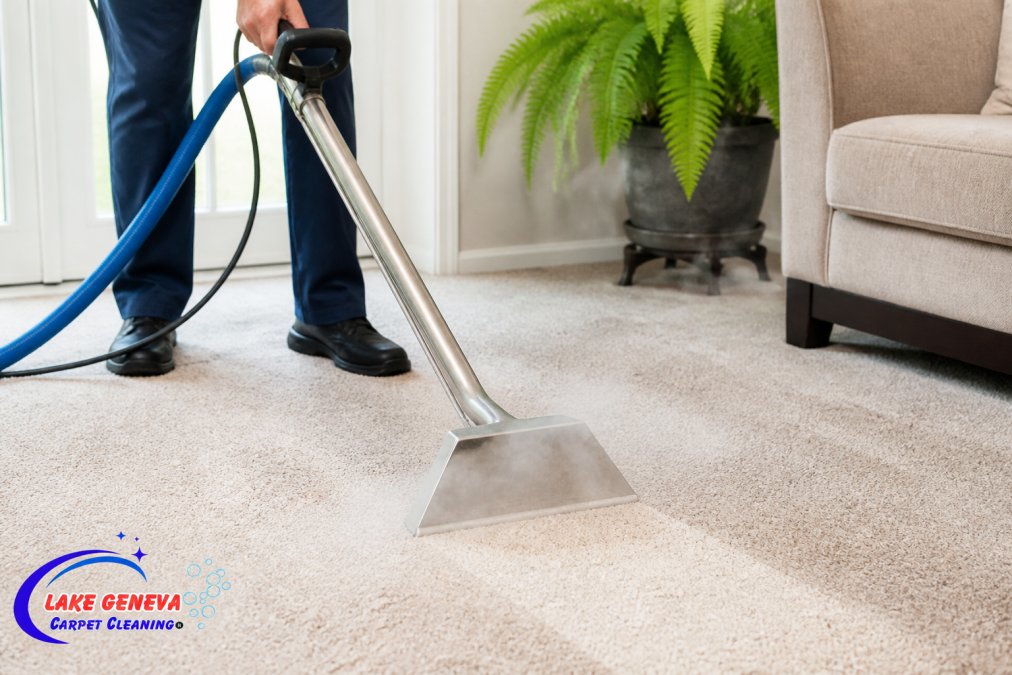
The process works in stages. First, hot water solution is injected deep into the carpet structure under pressure, saturating all layers and beginning to break down urine compounds and odor-causing bacteria. The second stage involves powerful suction extraction that removes the contaminated solution. This two-stage approach ensures that dissolved urine is actively removed from the carpet system rather than relocating.
Temperature matters significantly, heat breaks down organic compounds more effectively than cold water and kills bacteria and dust mites residing in the carpet, contributing to improved indoor air quality beyond just odor removal.
Drying time is an important consideration. After professional extraction, carpet remains damp and requires 6-24 hours to dry completely, depending on humidity, temperature, and airflow (the EPA). Adequate ventilation, opening windows, using fans, or running air conditioning accelerates drying and prevents mold growth in the padding.
Bio-Enzymatic Treatment Solutions for Odor
Bio-enzymatic treatments represent a targeted approach to the bacterial component of pet odor.
Bio-enzymatic solutions contain living microorganisms and enzymes that consume organic compounds in urine. Unlike chemical deodorizers that mask smell, these treatments actually break down the substances creating the odor. The enzymes act as biological scissors, cutting apart complex urine compounds into simpler substances the beneficial bacteria can consume.
The process requires time and moisture. These treatments work most effectively when the contaminated area remains damp for 24-48 hours, allowing enzymes and bacteria to work through the carpet structure (peer-reviewed research). Surface application followed by spot extraction won’t suffice for deep stains. Professional application typically involves injecting the bio-enzymatic solution deep into the carpet structure, allowing it to saturate the padding and subfloor where bacteria and urine compounds have migrated.
The timeline for results varies. Some odor reduction occurs within hours, but complete elimination often takes several days as the enzymes and bacteria work through all contaminated areas. Pet-safe formulations are essential, any treatment applied to areas where pets live must be non-toxic. Eco-friendly formulations accomplish odor elimination without harsh chemicals, making them suitable for homes with children and pets.
Best Practices for Pet Stain Carpet Maintenance
Prevention and regular maintenance dramatically reduce the severity of pet stain problems.
Immediate response remains the foundation. The moment you discover an accident, treat it. Keep supplies accessible: white towels, enzymatic cleaner, and white vinegar should be readily available in homes with pets.
Regular professional cleaning prevents stain accumulation. Even with prompt treatment of accidents, residual bacteria and urine compounds can linger in carpet padding. Professional deep extraction every 6-12 months removes these accumulations before they create permanent odors.
Enzymatic treatment as maintenance differs from emergency treatment. Applying diluted enzymatic solution to areas where pets frequent, even without visible stains, helps prevent bacteria buildup.
Carpet protection products create barriers against stain penetration, slowing urine absorption and providing a window for cleanup before deep penetration occurs.
Ventilation and moisture control prevent secondary problems. Adequate airflow, humidity control, and prompt drying after any cleaning prevent mold complications.
Designated pet areas reduce stain distribution. Confining pets to specific rooms during unsupervised periods prevents accidents throughout the home.
Regular vacuuming removes surface debris and helps prevent bacterial growth. Vacuuming 2-3 times weekly in pet areas keeps carpet fresher between professional cleanings.
How Long Does Professional Carpet Cleaning Take
Professional cleaning duration varies significantly based on several factors.
Initial assessment and pre-inspection often takes 15-30 minutes before cleaning begins. The technician identifies all stained areas, tests carpet fiber type, evaluates padding condition, and determines whether stains are fresh or set-in. This step informs the treatment strategy and prevents wasted time on approaches that won’t work.
Pre-treatment application adds 15-45 minutes depending on stain severity and coverage area. For pet stains specifically, pre-treatment typically involves applying enzymatic or specialized bio-enzymatic solutions to affected areas and allowing them to dwell for 15-30 minutes before extraction begins. This dwell time is non-negotiable; rushing to extraction before the treatment has time to break down urine compounds reduces effectiveness.
Actual hot water extraction cleaning depends on carpet area, stain severity, and equipment used. A typical residential cleaning for a 2,000-square-foot home takes 2-4 hours. Heavily soiled carpets or those with significant pet stains require longer, sometimes 4-6 hours, because the technician must make multiple passes over contaminated areas to ensure complete extraction.
Furniture moving and room setup affects scheduling. If furniture needs moving for thorough cleaning, this adds 30-60 minutes.
Post-cleaning moisture management is part of the professional service. The technician may place air movers and dehumidifiers in the home to accelerate drying, which adds 10-15 minutes to the visit.
Drying time is separate from active service time. After professional extraction, carpet remains damp and requires 6-24 hours to dry completely, depending on humidity, temperature, airflow, and carpet thickness. You’ll need to keep pets off cleaned areas during drying to prevent recontamination. In humid conditions or poorly ventilated spaces, drying can extend to 48 hours.
Total time commitment for a homeowner typically ranges from 3-6 hours of active service, plus 12-48 hours of drying time during which the home should remain well-ventilated and pets should be restricted from cleaned areas.
DIY vs. Professional Pet Stain Removal
The decision between DIY and professional treatment involves honest assessment of your situation.
DIY approaches work best for fresh accidents addressed immediately, small isolated stains without odor, and maintenance between professional cleanings. A homeowner who catches an accident within an hour and applies vinegar followed by enzymatic treatment often achieves satisfactory results.
DIY approaches struggle with set-in stains where urine has penetrated padding, established odors that return repeatedly, and large affected areas. Many homeowners discover that their DIY efforts provide temporary improvement before the problem returns.
Professional treatment becomes necessary when DIY methods have failed repeatedly, odor persists despite your efforts, or stains are large or numerous. Professional equipment reaches carpet layers that consumer machines cannot access. Trained technicians understand how to apply treatments for maximum effectiveness and manage drying to prevent secondary problems.
Success rates favor professional treatment for difficult situations. Professionals have experience with various carpet types, padding materials, and contamination levels, which informs their approach.
Health and Safety Considerations
Pet stains and odors involve health considerations beyond simple cleanliness.
Bacteria and pathogens in pet urine can affect household health. While most pet urine bacteria don’t cause serious illness in healthy individuals, immunocompromised people, young children, and elderly household members face higher risk. Thorough removal reduces pathogen exposure.
Dust mites and allergens accumulate in contaminated carpet. Urine creates an environment where dust mites thrive. For allergy sufferers, removing this contamination significantly improves symptoms. Deep extraction and bio-enzymatic treatment reduce allergen levels far more effectively than surface cleaning.
Mold risk accompanies improper drying after cleaning. Carpet that remains damp for extended periods creates conditions where mold can develop in padding and subfloor. Professional equipment extracts moisture more effectively than consumer machines, reducing mold risk.
Chemical sensitivity is relevant when considering treatment options. Some commercial pet stain treatments contain harsh chemicals that can irritate respiratory systems or skin. Eco-friendly, non-toxic treatments eliminate this concern while still effectively removing stains and odors.
Ventilation during and after treatment prevents chemical exposure. Adequate airflow protects household members from concentrated chemical vapors.
Pet safety requires attention when selecting treatments. Any product applied to carpet where pets live must be non-toxic. Pets will contact treated areas, potentially ingesting residues.
Pet stains and odors are among the most challenging carpet problems homeowners face, but they’re far from permanent. The key is understanding that professional pet stain removal addresses contamination at all carpet levels, not just the visible surface.
If you’ve struggled with pet stains that return despite your efforts, or if odors persist in your home, professional intervention makes a significant difference. Lake Geneva Carpet Cleaning specializes in removing stubborn pet stains and odors using eco-friendly, truck-mounted hot water extraction technology. We understand the complexity of pet contamination and apply proven techniques to eliminate both stains and the bacteria causing odors. Contact us for a free quote and discover how professional pet stain removal can restore your carpets and improve your home’s air quality.
Frequently Asked Questions
Can professional carpet cleaners completely remove pet urine odor?
Yes, professional pet stain removal using deep extraction and bio-enzymatic treatments can eliminate odors at their source. Unlike surface cleaning, professional methods reach the carpet padding and subfloor where urine settles. Odor returns when the stain isn't fully extracted or when bacteria remain. Professional-grade equipment and odor-neutralizing solutions address both the visible stain and the underlying bacteria causing the smell.
What pet urine carpet cleaning tools work best for stubborn stains?
Hot water extraction equipment, enzyme-based spot treatments, and moisture detection tools are most effective. Enzyme solutions break down uric acid crystals that cause persistent odors. Moisture meters help identify whether urine has penetrated the padding. Professional-grade extractors apply high pressure and heat to pull contaminants from deep carpet fibers. Home rental machines lack the power and heat of truck-mounted systems used by professionals.
How often should I have my carpets professionally cleaned if I have pets?
Pet owners should schedule professional carpet cleaning every 6 to 12 months, depending on pet activity level and accidents. Homes with multiple pets or frequent accidents benefit from more frequent cleaning. Regular maintenance prevents odors from building up and extends carpet life. Between professional cleanings, vacuum weekly and address fresh stains immediately to prevent bacteria from settling into the padding.
Why does pet odor come back after cleaning?
Odor returns when cleaning doesn't reach the carpet padding or subfloor where urine has saturated. Surface cleaning and rental machines often fail to extract deep stains completely, leaving odor-causing bacteria behind. Temperature and humidity can reactivate dormant bacteria. Professional deep extraction removes moisture and bacteria from all layers, preventing reactivation. If odor persists after professional cleaning, new accidents may be occurring in the same spot.
This article was written using GrandRanker