Table of Contents
- What Is Hot Water Extraction and How It Works
- Carpet Types That Are Safe for Hot Water Extraction
- Carpet Types That Require Caution or Alternatives
- Carpet Manufacturer Cleaning Guidelines and Warranty Protection
- Hot Water Extraction vs Dry Cleaning Methods
- Risks of Over-Wetting and Moisture Damage
- How Professional Extraction Differs From DIY Methods
- Signs Your Carpet Needs Professional Cleaning
- Protecting Your Carpet Investment
- Conclusion
Last Updated: August 10, 2026
What Is Hot Water Extraction and How It Works
Hot water extraction, also called steam cleaning, is a deep cleaning method that uses heated water combined with cleaning solutions to penetrate carpet fibers and lift embedded dirt, allergens, and contaminants. The process works by injecting hot water and cleaning agents into the carpet pile, then immediately extracting the liquid along with suspended particles. This method reaches deep into the carpet structure where regular vacuuming cannot, making it particularly effective for removing dust mites, pet dander, bacteria, and other pollutants trapped within the fibers and padding.
The hot water extraction process begins when a truck-mounted or portable unit heats water to temperatures between 200 and 250 degrees Fahrenheit. The heated water is pumped through a wand or hose onto the carpet surface, where it breaks down soil accumulation and loosens stubborn stains. A powerful vacuum immediately follows, extracting the water and dissolved contaminants. This dual action, injection followed by extraction, distinguishes hot water extraction from surface-level cleaning methods.
Understanding how this method works is essential before determining whether is hot water extraction safe for all carpet types. Different carpet materials respond differently to heat and moisture. Some fibers are naturally resistant to water damage, while others can shrink, fade, or develop mold if exposed to excessive moisture. The key to safe hot water extraction lies in understanding your specific carpet composition and using appropriate water temperatures and extraction techniques.
Carpet Types That Are Safe for Hot Water Extraction
Synthetic Fibers: Polyester and Nylon
Polyester and nylon carpets are among the most durable options for hot water extraction. These synthetic materials were engineered to withstand moisture exposure and resist mold and mildew growth. Nylon, in particular, is known for its resilience and ability to bounce back after deep cleaning. The fibers don’t absorb water the way natural materials do, which means they dry relatively quickly when properly extracted.
When hot water extraction is applied to polyester or nylon carpets, the heat helps dissolve oils and stains without damaging the fiber structure. Most synthetic carpets can handle water temperatures up to 200 degrees Fahrenheit without risk of melting or shrinking. However, the extraction process is critical, if water isn’t removed thoroughly, the carpet backing and padding can retain moisture, leading to potential mildew development.
Professional extraction equipment removes water far more effectively than consumer-grade machines. The difference lies in suction power and technique. A truck-mounted system pulls moisture from the carpet more completely, reducing drying time to 4-8 hours rather than 24-48 hours. This faster drying significantly lowers the risk of moisture-related damage.
Polyester and nylon carpets benefit most from hot water extraction when the process includes a final extraction pass with clean water to rinse away any residual cleaning solution. This prevents sticky residue that attracts dirt and causes rapid re-soiling.
Olefin and Polypropylene Blends
Olefin and polypropylene carpets occupy a middle ground in terms of hot water extraction safety. These materials are moisture-resistant but have lower melting points than nylon, typically around 170 degrees Fahrenheit. This means water temperature must be carefully controlled to prevent fiber damage.
Olefin is commonly used in commercial settings and outdoor carpets because it resists moisture and staining naturally. However, its lower heat tolerance means that is hot water extraction safe for all carpet types depends partly on the specific blend and construction. A carpet with an olefin face fiber and synthetic backing can handle extraction well if water temperature is kept moderate.
The real concern with olefin blends isn’t the extraction process itself but the drying phase. These materials tend to retain moisture longer than pure nylon, increasing the risk of mold and mildew if the carpet isn’t dried completely. Professional extraction services use multiple extraction passes and sometimes employ air movers and dehumidifiers to accelerate drying.
Carpet Types That Require Caution or Alternatives
Wool Carpets and Natural Fibers
Wool is a natural fiber that requires significantly different care than synthetic materials. While wool carpets are beautiful and durable, they’re vulnerable to several risks associated with hot water extraction. Wool fibers can shrink when exposed to excessive heat and moisture, a process called felting. Additionally, wool absorbs water readily, meaning it takes much longer to dry than synthetic alternatives, sometimes 24-48 hours or longer even with professional extraction.
The pH balance is critical when cleaning wool. Wool is sensitive to alkaline solutions, which can cause the fibers to swell and potentially lead to permanent damage. Hot water extraction can work on wool carpets, but only with specialized low-pH cleaning solutions and careful temperature control. Standard hot water extraction solutions designed for synthetic carpets may be too alkaline for wool.
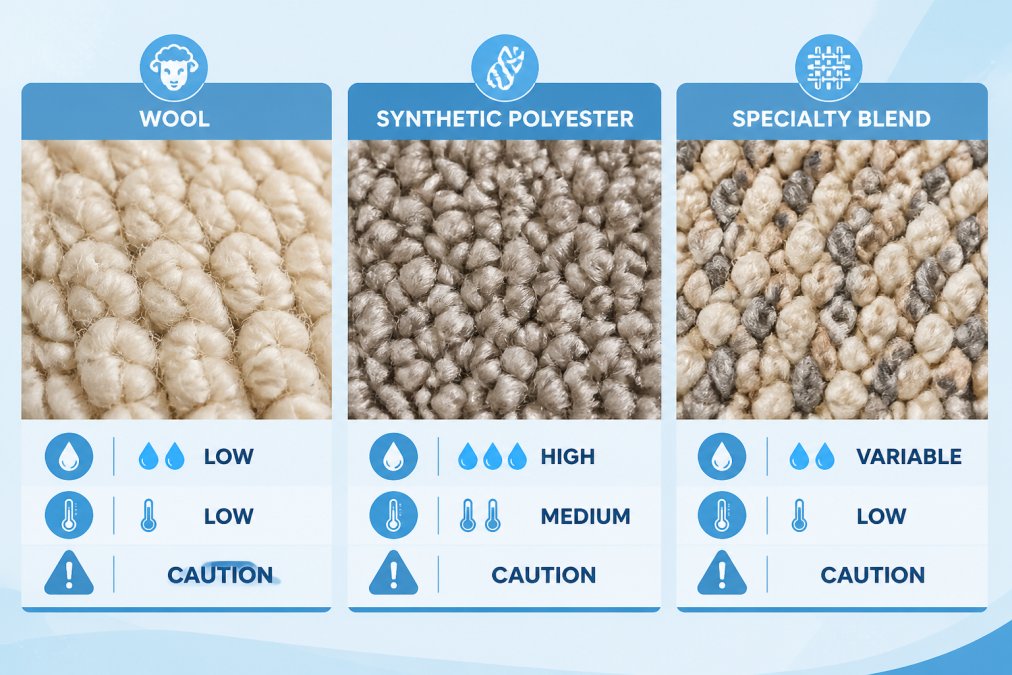
If your home has wool carpets, it’s essential to verify with the manufacturer whether hot water extraction is recommended. Many wool carpet warranties specifically exclude steam cleaning or require it only through certified professionals using approved methods. The risk of voiding your warranty makes this a critical consideration before proceeding with extraction cleaning.
Silk and Specialty Blends
Silk carpets represent the most delicate carpet option and are generally not suitable for hot water extraction. Silk fibers are extremely fine and sensitive to both heat and moisture. The fibers can weaken, discolor, or develop water stains when exposed to hot water extraction methods. Even professional-grade extraction can damage silk carpets permanently.
Specialty blends that combine silk with other materials require careful evaluation. Some blends might tolerate extraction if water temperature is kept very low, but the risk-to-benefit ratio is often unfavorable. A carpet that costs thousands of dollars to install should not be subjected to aggressive cleaning methods that might compromise its integrity.
For silk and specialty blend carpets, dry cleaning methods are typically recommended. These methods use minimal moisture and specialized solvents that are gentler on delicate fibers. The trade-off is that dry cleaning may not remove allergens and deep-seated contaminants as effectively as hot water extraction, but it preserves the carpet’s appearance and longevity.
Carpet Manufacturer Cleaning Guidelines and Warranty Protection
Your carpet manufacturer’s cleaning guidelines are not merely suggestions, they are contractual specifications that directly affect your warranty coverage and your ability to recover costs if damage occurs. Most carpet warranties include explicit clauses that void coverage if the carpet is cleaned using unapproved methods, and manufacturers actively deny claims when homeowners cannot prove they followed approved procedures.
Typical carpet warranties cover manufacturing defects, wear, and staining for 5-10 years, with replacement or repair costs ranging from $3,000 to $15,000 or more depending on square footage and fiber quality. However, these warranties are conditional. A manufacturer’s warranty document commonly includes language such as: "Warranty coverage is void if the carpet has been cleaned using methods not approved by the manufacturer" or "Professional cleaning must be performed by a certified technician using approved solutions only." When a homeowner uses an unapproved cleaning method, or hires a cleaner who does, and the carpet subsequently develops shrinkage, color loss, or fiber damage, the manufacturer will deny the claim outright.
Real-world claim denial scenarios illustrate the financial stakes. A homeowner with a wool blend carpet worth $8,000 to install uses a rental hot water extraction machine with standard alkaline cleaning solution. The wool fibers felt and shrink. When the homeowner files a warranty claim, the manufacturer requests proof of the cleaning method used. Upon learning that an unapproved method was applied, the claim is denied. The homeowner now faces either living with damaged carpet or paying full replacement cost, a loss that professional cleaning would have prevented entirely.
Manufacturers specify approved cleaning methods because they understand their carpet’s fiber composition and construction. Some manufacturers explicitly recommend hot water extraction as the preferred deep-cleaning method for synthetic fibers, while others prohibit it entirely for wool or silk blends. A few manufacturers maintain a list of "certified" cleaning companies whose technicians have completed manufacturer training and use only approved solutions. Hiring a non-certified cleaner, even a reputable local company, may technically void your warranty if that company uses solutions or techniques the manufacturer hasn’t approved.
Before scheduling any professional cleaning, locate your carpet’s care label, warranty document, or style number. Contact the manufacturer directly, most have customer service lines and online databases, and request their approved cleaning methods, approved solution types, and any list of certified cleaning providers. Document this communication in writing. If your carpet is relatively new (within the warranty period), this step takes 15 minutes and protects an investment worth thousands of dollars.
Professional cleaning companies familiar with warranty protection will proactively ask about your carpet type and request to review your manufacturer’s guidelines before beginning work. A company that skips this step or dismisses warranty concerns is signaling that they prioritize speed over your protection. Reputable cleaners understand that warranty compliance is a selling point, not a burden, because it guarantees that their work will not damage your carpet or void your coverage.
Hot Water Extraction vs Dry Cleaning Methods
The choice between hot water extraction and dry cleaning methods depends on your carpet type, the nature of the soiling, and your tolerance for drying time. Hot water extraction excels at removing deep-seated dirt, allergens, dust mites, and bacteria that accumulate in the carpet pile and padding. The hot water dissolves oils and breaks down stubborn stains more effectively than any dry method can achieve.
Dry cleaning methods use minimal moisture and specialized solvents or powders to lift surface dirt and stains. These methods are faster, carpets dry within 1-2 hours, and are safer for delicate fibers like wool and silk. However, dry cleaning doesn’t penetrate as deeply into the carpet structure, meaning it may not remove the allergens and contaminants that trigger respiratory health issues.
The key distinction is depth versus speed. Hot water extraction provides deeper cleaning but requires longer drying time. Dry cleaning provides faster drying but less thorough contamination removal. For high-traffic areas where allergens and soil accumulation are significant concerns, hot water extraction typically delivers superior results for synthetic carpets. For delicate or natural fiber carpets, dry cleaning is often the safer choice.
Professional extraction differs fundamentally from dry cleaning in its ability to address the carpet padding. Hot water extraction can reach through the pile to clean the backing and padding, where dust mites, pet dander, and bacteria thrive. Dry cleaning methods work primarily on the visible fiber surface. If your concern is indoor air quality and allergen removal, this deeper cleaning capability makes hot water extraction the more effective choice, provided your carpet type can tolerate it.
Risks of Over-Wetting and Moisture Damage
Over-wetting is one of the most common mistakes in hot water extraction cleaning, whether performed by professionals or homeowners using rental equipment. When excessive water is applied to carpet without complete extraction, the moisture soaks into the padding and subfloor. This creates conditions for mold spores to germinate, bacteria growth to accelerate, and unpleasant odors to develop.
The timeline for moisture damage is relatively fast. Within 24-48 hours of over-wetting, mold colonies can begin forming in the carpet padding. These mold spores become airborne when the carpet dries, potentially triggering respiratory issues, allergies, and asthma symptoms. Moisture trapped in the subfloor can lead to structural damage, wood rot, and expensive repairs that far exceed the cost of the cleaning itself.
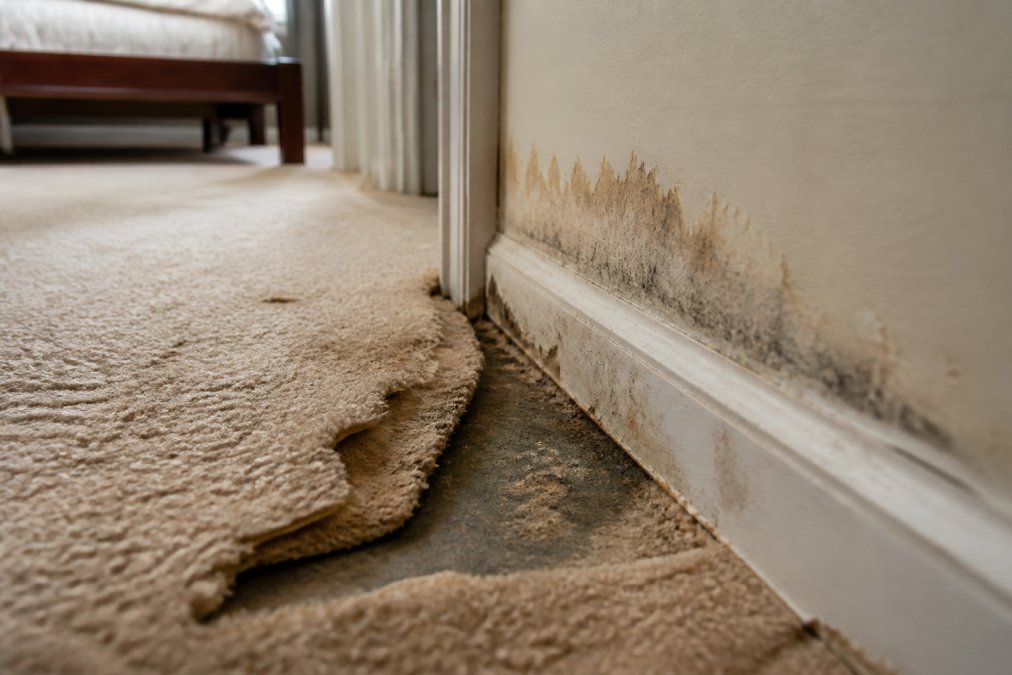
The difference between proper extraction and over-wetting often comes down to equipment quality and technique. Consumer-grade carpet cleaning machines available for rent typically have weaker suction power than professional truck-mounted systems. This means they leave more water in the carpet after cleaning. A homeowner using a rental machine might apply hot water but lack the extraction power to remove it adequately, creating the exact conditions for moisture damage.
Professional extraction equipment pulls significantly more water from the carpet in a single pass. A truck-mounted system can remove 90-95% of the water applied, while rental equipment might remove only 60-70%. This difference is critical. The remaining water determines whether your carpet dries in 6-8 hours or remains damp for 24-48 hours, creating a window for mold and bacteria growth.
How Professional Extraction Differs From DIY Methods
The equipment difference between professional and DIY carpet cleaning is substantial, and the financial consequences of choosing the wrong method are significant. A truck-mounted hot water extraction system uses a powerful engine to generate water temperatures of 200-250 degrees Fahrenheit combined with industrial-grade suction that removes 90-95% of injected water in a single pass. Rental carpet cleaning machines are portable units designed for occasional homeowner use; they typically heat water to only 150-180 degrees Fahrenheit and remove approximately 60-70% of injected water. This seemingly small difference in extraction efficiency creates cascading problems.
When a rental machine leaves 30-40% of water in the carpet, that moisture soaks into the padding and subfloor. Within 24-48 hours, mold spores germinate in this damp environment. Mold remediation, if necessary, costs $2,000-$6,000 depending on affected area and severity. If the subfloor develops rot, replacement costs escalate to $5,000-$15,000 or more. A homeowner who saved $200-$400 by renting equipment instead of hiring professionals can end up spending $10,000+ on moisture damage repair, a financial outcome that professional extraction would have prevented entirely.
Beyond equipment, professional technicians bring expertise in fiber identification, solution chemistry, and technique that homeowners cannot replicate. A trained technician recognizes different carpet types by sight and touch. They know that wool requires low-pH solutions (pH 6.5-7.5) while synthetic carpets tolerate neutral to slightly alkaline solutions (pH 8-9). They understand that olefin blends need lower water temperatures than nylon to prevent fiber damage. They adjust injection pressure, water temperature, and extraction technique in real time based on the carpet’s response. A homeowner operating a rental machine has no mechanism for making these adjustments; they follow the machine’s default settings regardless of carpet type.
The drying time difference is another practical and health-related advantage of professional extraction. When a professional removes 90%+ of water, the carpet dries in 4-8 hours. When a rental machine leaves 30-40% of water, drying takes 24-48 hours or longer. During this extended drying window, humidity in the carpet creates ideal conditions for dust mite reproduction, bacterial growth, and mold colonization. A homeowner hoping to improve indoor air quality and allergen levels by cleaning the carpet may inadvertently worsen those conditions by choosing DIY extraction. The carpet that smelled fresh immediately after cleaning may develop a musty odor within 48 hours as mold begins to grow in the damp padding.
Rental equipment also lacks the safety features of professional systems. Professional truck-mounted units have temperature regulators that prevent water from exceeding safe limits for the carpet type. Rental machines often have no such safeguard; a homeowner can accidentally apply water hot enough to damage synthetic fibers or cause wool to felt. Professional systems have redundant extraction passes that ensure thorough water removal; rental machines typically allow only a single pass per section. Professional technicians carry liability insurance that covers accidental damage; homeowners using rental equipment have no such protection if something goes wrong.
The cost comparison is instructive. A professional hot water extraction cleaning for an average home (1,500-2,000 square feet) typically costs $300-$600. A rental machine costs $50-$100 per day, plus the cost of cleaning solutions. When you factor in the time investment (4-6 hours of labor), the risk of equipment damage (rental companies charge damage fees), and the high probability of suboptimal results, the professional option is economically rational. More importantly, professional extraction comes with a guarantee: if the cleaning damages your carpet, the company’s liability insurance covers the repair or replacement. A rental machine comes with no such protection.
Signs Your Carpet Needs Professional Cleaning
High-traffic areas show the clearest signs that your carpet needs professional extraction cleaning. Visible traffic lanes develop where foot traffic is heaviest, hallways, entryways, and paths between furniture. These areas show matting and fiber degradation that regular vacuuming cannot address. The dingy appearance in traffic lanes indicates soil accumulation deep within the fibers.
Pet owners recognize another clear sign: persistent odors that vacuuming doesn’t eliminate. Pet accidents, even those that happened months ago, leave residual urine compounds in the padding. These compounds create odors that return when the carpet gets damp, which is why the smell seems to reappear after rain or humidity spikes. Surface cleaning cannot reach these deep-seated compounds; only hot water extraction can dissolve and remove them completely.
Allergen sensitivity is a less visible but equally important sign. If household members experience increased allergies or respiratory symptoms, your carpet may harbor significant dust mite populations, pet dander, and bacteria. These contaminants accumulate in the carpet pile and padding, and regular vacuuming removes only surface particles. Dust mites thrive in the warm, moist environment of carpet padding, and their waste products trigger allergic reactions. Professional extraction removes these allergens far more effectively than any surface cleaning method.
The timeline for needing professional extraction depends on traffic level and household conditions. High-traffic commercial spaces might need extraction every 6-12 months. Residential homes with moderate traffic typically benefit from extraction every 12-18 months. Homes with pets, children, or allergy sufferers may need more frequent cleaning. The key indicator is when your carpet looks dingy despite regular vacuuming or when odors and allergen issues become noticeable.
Protecting Your Carpet Investment
Your carpet is a significant investment that affects both your home’s appearance and your family’s health. Protecting this investment requires understanding which cleaning methods are safe for your specific carpet type and following the manufacturer’s recommendations consistently.
Begin by locating your carpet’s care label or documentation. This information typically specifies the fiber content, recommended cleaning methods, and any warnings about heat or moisture sensitivity. Keep this documentation accessible so you can refer to it before scheduling any cleaning service. If you’ve lost the original documentation, contact the carpet manufacturer with your carpet’s style number or description to request cleaning guidelines.
Schedule professional extraction cleaning at intervals appropriate for your household’s traffic and soiling level. Regular professional cleaning removes soil accumulation before it becomes deeply embedded, prevents allergen buildup, and maintains the carpet’s appearance and lifespan. The investment in preventative maintenance is far less than the cost of replacing a carpet damaged by inappropriate cleaning methods.
When selecting a professional cleaning service, verify that they understand your carpet type and have experience cleaning similar materials. Ask whether they’ll review your manufacturer’s guidelines before beginning work. A reputable company will ask about your carpet type, check for any specific concerns, and explain their cleaning approach in terms of your carpet’s specific needs.
Protecting your carpet from moisture damage, allergen accumulation, and premature fiber degradation requires choosing the right cleaning method for your specific carpet type. Is hot water extraction safe for all carpet types? The answer is no, but for synthetic carpets like polyester and nylon, it’s the most effective method for deep cleaning and allergen removal. Natural fibers like wool and silk require gentler alternatives.
Lake Geneva Carpet Cleaning specializes in identifying carpet types and selecting the safest, most effective cleaning approach for each. With over 32 years of experience serving Wisconsin homeowners, the team understands how different carpet materials respond to hot water extraction and when alternative methods are necessary. Using state-of-the-art truck-mounted extraction technology, they remove embedded allergens, pet odors, and seasonal contaminants while protecting your carpet investment. Contact Lake Geneva Carpet Cleaning to discuss your carpet’s specific needs and receive a professional assessment of the best cleaning approach for your home.
Frequently Asked Questions
Is hot water extraction safe for wool carpets?
Hot water extraction can damage wool carpets because wool fibers are sensitive to high heat and moisture. Wool can shrink, felt, or lose its natural luster when exposed to the intense heat and water pressure of hot water extraction. Always check your carpet manufacturer's cleaning guidelines before using this method on wool. Many wool carpet owners opt for dry cleaning or professional low-moisture methods instead to preserve the carpet's integrity and warranty.
What does carpet manufacturer cleaning guidelines say about hot water extraction?
Most carpet manufacturers provide specific cleaning recommendations based on fiber type and construction. Some explicitly approve hot water extraction for synthetic fibers, while others restrict it for delicate or natural materials. Your carpet warranty may be voided if you use cleaning methods the manufacturer doesn't recommend. Check your warranty documentation or contact the manufacturer directly before scheduling hot water extraction. Professional cleaners familiar with carpet manufacturer cleaning guidelines can help you avoid costly mistakes.
What are the risks of over-wetting carpet during extraction?
Over-wetting creates several problems: excess moisture can lead to mold and mildew growth in the carpet padding and subfloor, cause odors to return quickly, extend drying time (increasing mold risk), and damage the carpet backing. It can also weaken carpet fibers and cause permanent shrinkage. Professional truck-mounted systems extract moisture more effectively than portable machines, reducing these risks. Proper air circulation and quick drying are essential after any hot water extraction to prevent moisture-related damage.
How does hot water extraction compare to dry cleaning for carpet safety?
Hot water extraction uses heated water and pressure to remove deep soil and allergens, making it highly effective for most synthetic carpets but risky for delicate fibers. Dry cleaning methods use minimal moisture and specialized compounds, making them safer for wool, silk, and natural fiber carpets. The right choice depends on your carpet type, soil level, and manufacturer recommendations. Hot water extraction vs dry cleaning isn't about which is universally better, it's about matching the method to your specific carpet's needs and your health goals.
This article was written using GrandRanker