Table of Contents
- Establish a Regular Vacuuming Schedule for Carpet Maintenance
- Choose the Best Vacuum for Carpet Maintenance
- Master Spot Cleaning and Stain Removal Techniques
- How to Remove Carpet Stains Without Damaging Fibers
- Protect High-Traffic Areas and Prevent Resoil
- Carpet Cleaning Frequency Recommendations for Your Home
- Control Moisture and Prevent Mold Growth
- Maintain Carpet Pile and Address Allergens
- When to Schedule Professional Deep Cleaning
- Conclusion
Last Updated: August 10, 2026
Establish a Regular Vacuuming Schedule for Carpet Maintenance
How to maintain carpets between professional cleanings starts with one fundamental habit: consistent vacuuming. This isn’t optional if you want your carpet to last. Regular vacuuming removes dirt, dust, and debris before they settle into the carpet fibers and cause permanent damage. Most homeowners underestimate how much soil accumulates daily, pet hair, skin cells, outdoor contaminants tracked in from shoes, and microscopic dust particles all work their way into the carpet pile.
The frequency matters more than most people realize. High-traffic areas in your home need vacuuming at least twice per week, while low-traffic zones can be handled weekly. Bedrooms and formal living rooms that see minimal foot traffic may only need one thorough pass per week. If you have pets or live in a household with children, increase those frequencies by at least 50 percent. The goal is to prevent soil from becoming embedded in the carpet fibers before professional cleaning can address it.
Proper vacuuming technique is equally important as frequency. Move your vacuum slowly over each section, rushing through actually leaves dirt behind. Make multiple passes over high-traffic lanes where foot traffic naturally concentrates. Use overlapping strokes and change direction with each pass to catch fibers from different angles. This approach to carpet maintenance between professional cleanings prevents the "traffic patterns" that develop when dirt becomes trapped in carpet pile over time.
Choose the Best Vacuum for Carpet Maintenance
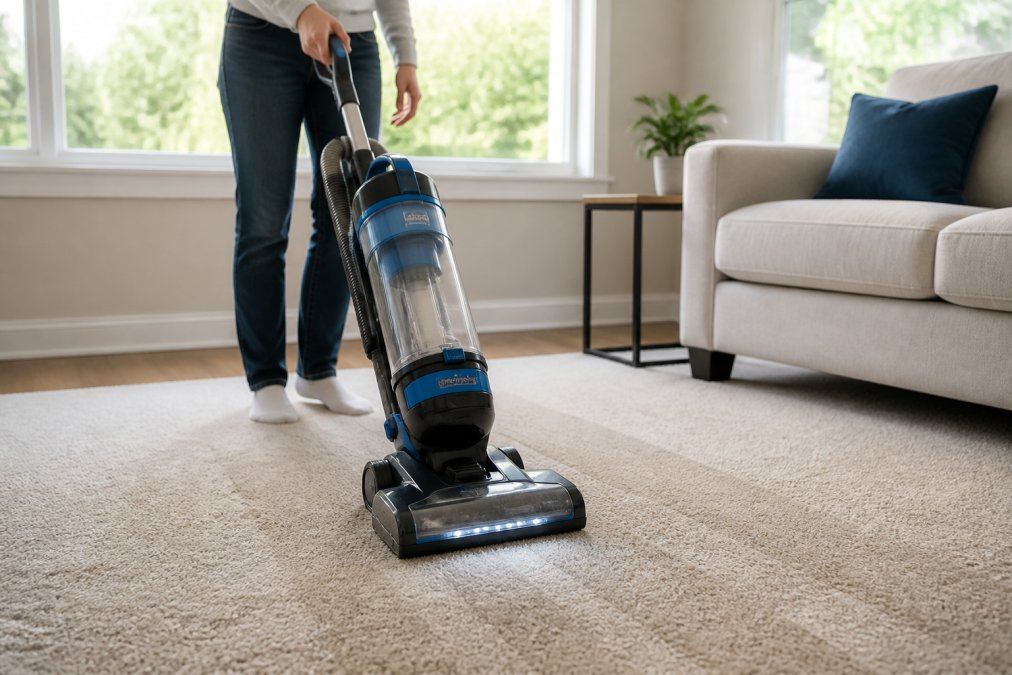
Not all vacuums perform equally when it comes to maintaining carpet health, and the right choice depends partly on your carpet’s fiber composition. The best vacuum for carpet maintenance combines three essential features: strong suction power, HEPA filtration, and proper attachment options. HEPA filtration captures microscopic allergens and dust particles that standard filters miss; this matters significantly if anyone in your household suffers from allergies or asthma. Look for vacuums with sealed HEPA systems that trap 99.97 percent of particles, preventing them from being released back into your home’s air.
Vacuum Types and Carpet Fiber Compatibility
Upright vacuums generally outperform other styles for carpet maintenance because they provide better contact with carpet fibers and more consistent suction. However, the best upright vacuum for your home depends on your carpet type. Nylon and polyester carpets, the most common synthetic fibers, tolerate aggressive suction and can handle standard upright vacuums without damage. Wool carpets, by contrast, are more delicate and benefit from gentler suction settings. If you have wool carpet, look for vacuums with adjustable suction controls that let you reduce power, preventing fiber damage and premature wear.
Canister vacuums work well for stairs and upholstered furniture, but they’re less efficient on large carpet areas. Robotic vacuums can supplement your routine on flat surfaces, but they shouldn’t replace manual vacuuming, they lack the power and precision needed for thorough maintenance, especially on high-pile or frieze carpets where debris embeds deeply. The upholstery attachment on your vacuum is non-negotiable; it reaches into corners, along baseboards, and onto furniture where soil accumulates alongside your carpeted areas.
Pile Height and Vacuum Adjustments
Adjustable height settings are critical because different carpet pile heights require different settings. Low-pile carpet (common in commercial and high-traffic residential areas) needs the vacuum head positioned lower for maximum contact with fibers. Plush or frieze carpets have taller pile and require higher head settings to avoid excessive friction that can damage fibers. Many homeowners use the same setting for all carpet types, which reduces cleaning effectiveness on some areas and risks damaging delicate fibers on others. Check your vacuum’s manual for recommended height settings based on your carpet pile, and adjust between rooms if you have multiple carpet types.
Weight and maneuverability matter more than you’d think. A vacuum that’s too heavy becomes a chore to use, which means you’ll vacuum less frequently. The best vacuum for carpet maintenance should feel balanced and easy to push, with smooth-rolling wheels that don’t catch on carpet transitions. Lightweight models (under 12 pounds) are easier to use consistently, though they sometimes sacrifice suction power. Mid-weight uprights (12-15 pounds) offer a practical balance between power and usability for most households.
HEPA Filtration and Allergen Control
If anyone in your household has allergies, asthma, or pet sensitivities, HEPA filtration becomes medically important rather than optional. Standard vacuum filters trap particles down to about 5 microns, but dust mites, pet dander, and pollen particles are often smaller. True HEPA filters capture particles as small as 0.3 microns with 99.97 percent efficiency. The difference is noticeable: homes with HEPA-filtered vacuums report fewer allergy symptoms and better indoor air quality. Sealed HEPA systems are superior to standard HEPA filters because they prevent unfiltered air from bypassing the filter and re-entering your home, a common flaw in cheaper vacuums.
If you have wool carpet or delicate fibers, test your vacuum’s suction setting on a hidden area first. Some vacuums with maximum suction can damage wool fibers over time, so finding the right balance between cleaning power and fiber protection is essential.
Master Spot Cleaning and Stain Removal Techniques
Immediate response to spills and stains is critical for how to maintain carpets between professional cleanings. The difference between a permanent stain and a recoverable one often comes down to those first few minutes after a spill occurs. When liquid hits carpet, blot it immediately with an absorbent towel, never rub or scrub. Rubbing pushes the liquid deeper into the carpet backing and damages fibers, making the stain worse. Blotting lifts the liquid up and out, containing the damage to the surface.
For solid spills, remove the material first using a spoon or dull knife, then address any remaining residue. This two-step approach prevents you from grinding solids deeper into the carpet pile. Once you’ve removed the bulk of the spill, use a clean, white cloth (colored cloths can transfer dye) and work from the outer edges of the stain toward the center. This prevents the stain from spreading to clean carpet areas.
The blotting technique requires patience. Press down firmly and hold for several seconds, allowing the absorbent towel to draw moisture from the carpet. Repeat with fresh sections of the towel until no more liquid transfers. You’ll be surprised how much moisture remains after the initial spill, most people stop blotting too early, leaving liquid in the carpet padding where it causes problems later.
How to Remove Carpet Stains Without Damaging Fibers
Choosing the right cleaning solution matters enormously when learning how to maintain carpets between professional cleanings without causing damage. pH-balanced cleaners are essential because carpet fibers are sensitive to both acidic and alkaline solutions. Using harsh chemicals or overly acidic cleaners can cause fiber damage, color loss, and resoil, the tendency for carpet to attract dirt again quickly after cleaning.
DIY natural cleaning solutions work surprisingly well for many stains. A mixture of equal parts white vinegar and water handles most organic stains effectively. For protein-based stains like blood or urine, use cold water first, then apply the vinegar solution. Heat sets protein stains permanently, so avoid hot water initially. For oil-based stains, sprinkle baking soda on the affected area, let it sit for 15 minutes to absorb the oil, then vacuum thoroughly before applying any liquid cleaner.
Test any cleaning solution on a hidden carpet area first, a closet corner or behind furniture. Apply the solution, let it sit for a few minutes, then blot. This prevents you from accidentally damaging visible carpet if the solution causes discoloration. Commercial carpet cleaners formulated for residential use are fine, but read labels carefully and look for pH-neutral options. Avoid products labeled as "industrial strength" or those requiring protective equipment; they’re too harsh for regular maintenance.
The application method matters as much as the solution itself. Spray the cleaner lightly onto the stain, not the carpet. Oversaturating carpet creates moisture problems and can lead to mold growth in the padding. Let the solution sit for 5-10 minutes to break down the stain, then blot repeatedly with clean towels. Rinse by blotting with a towel dampened in plain water to remove any cleaning residue, which can leave the carpet feeling sticky and attract more soil.
After [spot cleaning](/how-to-remove-stubborn-stains/), place a weighted object (like a book) on a clean towel over the treated area overnight. This helps pull remaining moisture from the carpet and prevents the stain from reappearing as the area dries.
Protect High-Traffic Areas and Prevent Resoil
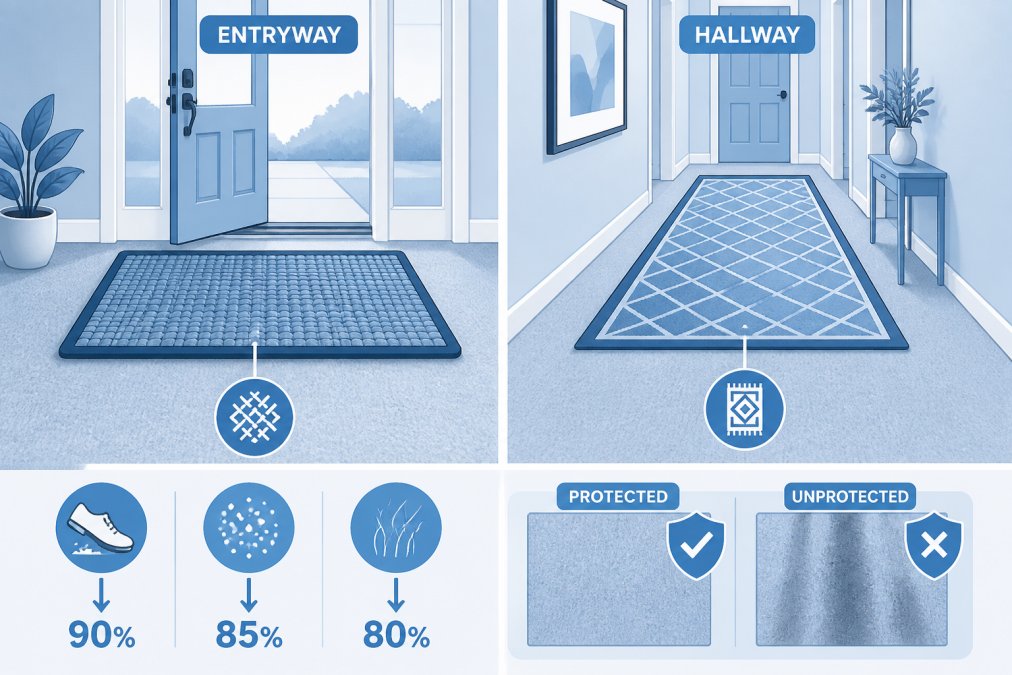
High-traffic lanes are where carpet shows wear fastest because soil accumulates in predictable patterns. You can slow this deterioration significantly by managing traffic flow and using protective barriers. Entryway rugs are your first line of defense, place them at all exterior doors to capture soil before it reaches your main carpet. A quality entry rug should extend at least 6 feet into the home, giving people enough space to wipe their feet thoroughly. In lake geneva‘s climate with seasonal mud and moisture, entryway protection becomes even more critical.
Area rugs positioned strategically over high-traffic zones extend carpet life between professional cleanings. Place rugs in hallways, in front of sofas where people sit, and anywhere foot traffic naturally concentrates. These protective mats intercept soil before it settles into your main carpet. Rotate or replace these rugs regularly, they’re easier to clean or replace than replacing entire carpet sections.
Resoil happens when carpet attracts dirt again quickly after cleaning, often caused by residual cleaning solution left in the fibers. This is why rinsing thoroughly during spot cleaning matters so much. Carpet that feels sticky or stiff after cleaning will attract soil rapidly. Beyond cleaning technique, you can reduce resoil by maintaining good airflow in your home. Stagnant air allows dust and moisture to settle on carpet, increasing soil accumulation.
Carpet Cleaning Frequency Recommendations for Your Home
How often you need professional carpet cleaning depends on several factors beyond just vacuuming frequency. In a typical household with no pets and minimal foot traffic, professional cleaning every 12-18 months is reasonable. However, pet ownership dramatically changes this calculus and requires a more nuanced maintenance strategy.
Pet-Specific Maintenance Routines
Pet owners face unique carpet challenges that standard maintenance cannot fully address. Pet hair, dander, urine, and odor-causing bacteria accumulate faster than in pet-free homes, and the damage compounds if accidents occur. If your household includes dogs or cats, schedule professional cleaning every 6-12 months rather than the 12-18 month baseline. This frequency prevents allergens and odors from becoming embedded in carpet backing, where they become nearly impossible to remove.
Between professional cleanings, pet-specific spot treatment is essential. Enzymatic cleaners designed for pet stains work differently than standard carpet cleaners, they break down the proteins and uric acid in urine that cause permanent odors. When a pet accident occurs, blot immediately, then apply an enzymatic cleaner and let it sit for the full time recommended on the label (typically 10-15 minutes). This allows the enzymes to penetrate and neutralize the source of the odor rather than just masking it. Standard vinegar-and-water solutions are ineffective on urine because they don’t address the underlying proteins.
Pet hair removal requires a two-pronged approach. Vacuum high-traffic pet areas twice weekly using an upright vacuum with strong suction; pet hair embeds differently than regular dust and requires more aggressive extraction. For stubborn pet hair on furniture and carpet edges, a rubber broom or pet-hair removal tool works better than a vacuum attachment, these tools use friction to lift hair that vacuum suction alone misses. After vacuuming, use a carpet rake or grooming brush on areas where your pet spends the most time. This lifts matted fibers caused by pet movement and restores pile appearance.
If your pet has had multiple accidents or you notice persistent odors despite spot treatment, professional cleaning with enzyme-based extraction is non-negotiable. Home equipment cannot reach the carpet backing and padding where urine settles, and odors will return if this deep contamination isn’t addressed. Some pet owners delay professional cleaning to save money, but this false economy results in permanent odor damage that eventually requires carpet replacement.
Seasonal and High-Traffic Adjustments
Families with children or high foot traffic may need professional cleaning every 3-6 months to prevent soil from becoming permanently embedded. Seasonal adjustments also make sense, especially in areas with significant weather changes. Winter brings salt residue and moisture from boots and shoes; spring cleaning becomes more important as people track in mud and pollen. Consider scheduling professional cleaning in late fall before heavy winter traffic and again in early spring after the winter season. These strategic cleanings prevent seasonal contaminants from causing permanent damage.
The sweet spot for most households is professional cleaning every 12-18 months, but pet owners should increase to every 6-12 months, and high-traffic homes with children may need every 3-6 months. Enzymatic spot treatment between cleanings is essential for pet households to prevent permanent odor damage.
Control Moisture and Prevent Mold Growth
Moisture control is often overlooked in carpet maintenance discussions, yet it’s critical for long-term carpet health and indoor air quality. Carpet padding is particularly vulnerable to moisture accumulation, which creates ideal conditions for mold and mildew growth. When you clean carpet, whether through spot cleaning or professional extraction, you introduce moisture that must dry completely. Improper drying leaves moisture trapped in the padding, leading to mold growth that’s invisible until significant damage occurs.
Airflow is your primary tool for moisture management. Open windows when weather permits to allow air circulation. Use ceiling fans to keep air moving across carpet surfaces. If you’re spot cleaning, position a fan to blow across the treated area. During professional cleaning, ask your technician about their drying approach, quality service includes strategies to minimize drying time and moisture retention. Improper drying techniques are a common complaint, but proper airflow management makes a significant difference.
Dehumidifiers help in humid climates or basements where moisture naturally accumulates. Running a dehumidifier for several hours after cleaning helps pull excess moisture from carpet and padding. This is especially important in lake geneva’s environment where humidity levels can spike during certain seasons. If you notice dampness in your carpet or smell musty odors, moisture control has failed and professional intervention is needed immediately.
Wet carpet should never remain damp for more than 24-48 hours. If your carpet stays wet longer than this window, you risk permanent damage and mold growth. Some homeowners report that carpet remains wet for a full day or more after cleaning, this indicates either too much water was used during cleaning or inadequate drying techniques were applied. Professional cleaners who understand proper moisture management use extraction techniques that remove water efficiently, leaving carpet damp rather than soaked.
Maintain Carpet Pile and Address Allergens
Carpet pile, the visible fibers that form the carpet surface, requires regular maintenance to stay healthy and attractive. Foot traffic naturally crushes pile fibers, creating visible traffic patterns and matting. Regular vacuuming with proper technique helps restore pile by lifting flattened fibers. Carpet grooming with a specialized rake or brush can further restore pile appearance between professional cleanings. This simple tool works remarkably well at lifting matted fibers and improving carpet appearance.
Allergens accumulate in carpet despite regular vacuuming. Dust mites, pet dander, pollen, and other allergens settle into carpet pile and padding where they trigger allergies and respiratory issues. HEPA-filtered vacuuming removes surface allergens, but professional extraction reaches deeper into the carpet structure where allergens concentrate. If anyone in your household experiences allergies or asthma, more frequent professional cleaning becomes medically necessary rather than optional.
The relationship between carpet maintenance and indoor air quality is direct. Dirty carpet acts as a filter, trapping allergens that would otherwise circulate in your breathing air. While this sounds beneficial, it means carpet becomes increasingly contaminated over time. Eventually, the carpet releases trapped allergens back into the air, worsening indoor air quality. Regular cleaning, both vacuuming and professional extraction, prevents this accumulation and maintains healthier indoor air.
When to Schedule Professional Deep Cleaning
Professional deep cleaning serves purposes that home maintenance cannot achieve. Truck-mounted hot water extraction equipment used by professional cleaners reaches temperatures and pressures far beyond what consumer equipment can deliver. This technology penetrates carpet backing and padding, removing embedded soil, allergens, and odors that surface cleaning leaves behind. For homeowners in lake geneva who want to maintain property value and indoor air quality, professional cleaning is an investment in long-term carpet health.
The timing of professional cleaning matters strategically. Schedule cleaning when it won’t disrupt your household for extended periods. Many families choose spring or fall when they can open windows for ventilation. Avoid scheduling during periods of high humidity when drying takes longer. If you have pets or children, consider timing that allows carpet to dry during daylight hours when you can manage foot traffic and maintain airflow.
Between professional cleanings, your maintenance routine determines how well carpet holds up. Consistent vacuuming, prompt spot treatment, and moisture control all extend the time between professional cleanings. Conversely, neglecting these maintenance steps means carpet deteriorates faster and professional cleaning becomes more difficult, and more expensive, when finally scheduled.
Maintaining your carpets between professional cleanings requires consistent effort, but the payoff in extended carpet life and improved indoor air quality is substantial. Regular vacuuming, immediate spot treatment, and strategic use of protective barriers form the foundation of effective home maintenance. However, these efforts have limits. Professional deep cleaning with truck-mounted hot water extraction reaches depths that home equipment cannot match, removing embedded allergens, stubborn pet odors, and seasonal contaminants that accumulate despite your best efforts. Lake Geneva Carpet Cleaning brings over 32 years of experience and state-of-the-art extraction technology to address the maintenance gaps that vacuuming alone cannot solve. Their eco-friendly approach ensures your carpets are cleaned thoroughly without harsh chemicals, and their 10-day satisfaction guarantee gives you confidence in the results. Schedule professional cleaning every 12-18 months, or more frequently if you have pets or high-traffic areas, to maintain healthy, attractive carpets that enhance your home’s appearance and your family’s health.
Frequently Asked Questions
How often should you vacuum high-traffic carpet areas?
High-traffic areas like hallways and living rooms should be vacuumed 2-3 times per week to prevent soil buildup and fiber damage. Lower-traffic bedrooms can be vacuumed weekly. Regular vacuuming removes dirt and dust before they become embedded in the carpet pile, extending the life of your carpets and maintaining their appearance between professional cleanings.
What is the best way to remove stains from carpet without damaging fibers?
Blot stains immediately with an absorbent towel rather than rubbing, which can damage carpet fibers. For solids, remove them first. For liquids, use a pH-balanced cleaner or DIY solution of equal parts white vinegar and water. Work from the outside of the stain inward, and always test the solution on a hidden area first. Avoid excessive moisture, which can lead to mold growth in the carpet backing.
How often should a carpet be professionally cleaned between maintenance?
Most homes benefit from professional deep cleaning every 12-18 months, though high-traffic homes or those with pets may need cleaning every 6-12 months. Seasonal adjustments matter too, homes in areas with road salt or mud may require more frequent professional extraction to remove embedded contaminants. Professional hot water extraction removes residue and allergens that vacuuming alone cannot reach.
Can DIY carpet cleaning products cause long-term damage?
Yes, some commercial cleaners can leave residue that causes resoil and attracts dirt faster, making carpets look dingy sooner. Harsh chemicals may also damage carpet fibers or backing over time. Using pH-balanced, eco-friendly solutions or natural alternatives like vinegar and baking soda is safer for your carpet and your family. Always follow manufacturer guidelines and avoid over-wetting, which can lead to mold and mildew.
This article was written using GrandRanker