Table of Contents
- Why Deep Cleaning Carpets Matters More Than Surface Vacuuming
- How Often to Deep Clean Carpets for Optimal Health and Longevity
- Carpet Fiber Damage and Wear from Neglected Deep Cleaning
- Health Risks of Dirty Carpets: Allergens, Dust Mites, and Bacteria
- Signs Your Carpet Needs Professional Cleaning
- The Financial Cost of Skipping Professional Deep Cleaning
- How Hot Water Extraction Removes What Regular Vacuuming Cannot
- Environmental Impact of Neglected Carpet Maintenance
- Conclusion
Last Updated: August 10, 2026
Why Deep Cleaning Carpets Matters More Than Surface Vacuuming
Most homeowners think vacuuming is enough. It’s not. Regular vacuuming removes surface dirt but leaves embedded contaminants deep within carpet fibers and padding. When you don’t deep clean regularly, dirt, allergens, bacteria, and odors build up in layers that standard vacuums can’t reach, creating an environment where harmful microorganisms thrive, carpets deteriorate faster, and indoor air quality suffers.
At Lake Geneva Carpet Cleaning, we’ve seen firsthand what happens when homeowners delay professional deep cleaning. Carpets that could have lasted years longer show premature wear, allergen levels spike, and pet odors return within weeks of spot cleaning. The difference between surface cleaning and deep cleaning is profound: surface cleaning addresses what you can see, while deep cleaning addresses what you can’t, and that’s where the damage happens.
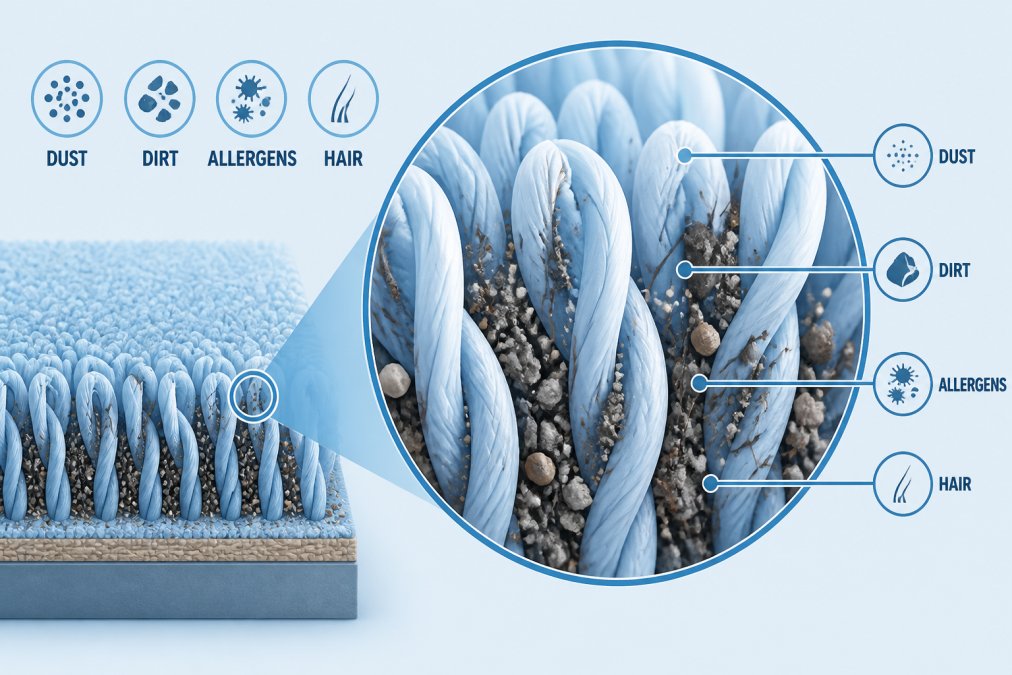
Vacuuming removes only about 80% of surface-level dirt. The remaining 20%, plus everything embedded deeper, requires hot water extraction or professional steam cleaning to remove effectively.
How Often to Deep Clean Carpets for Optimal Health and Longevity
How often should you deep clean carpets? The answer depends on traffic, pets, household composition, and a critical factor most homeowners overlook: manufacturer warranty requirements.
Warranty-Mandated Cleaning Schedules
Most carpet manufacturers require professional deep cleaning at specific intervals to maintain warranty coverage. Failure to meet these requirements voids the warranty, leaving you without manufacturer support for premature wear or staining. This is a contractual obligation, not optional maintenance.
Typical manufacturer requirements include:
- Annual or 18-month professional deep cleaning for standard residential warranties
- Quarterly or semi-annual cleaning for high-traffic installations or homes with pets
- Documented cleaning records from a certified professional (many require IICRC-certified cleaners)
- Hot water extraction as the approved method for most synthetic and wool carpets
If your warranty specifies annual cleaning and you skip professional deep cleaning for two years, the manufacturer can deny a claim for wear or staining that would otherwise be covered. This transforms a $500 professional cleaning into a $3,000-$8,000 replacement cost with no warranty protection.
Before scheduling your first professional cleaning, review your carpet warranty documentation. If you’ve lost the original, contact the carpet manufacturer or retailer with your purchase date and carpet model number.
Recommended Cleaning Frequency by Household Type
Light-traffic households with no pets: Professional deep cleaning every 18-24 months maintains carpet health and extends lifespan.
Moderate-traffic households or homes with one pet: Professional deep cleaning every 12-18 months prevents allergen and odor accumulation. Pet dander embeds deeply in fibers and padding; annual cleaning removes what vacuuming cannot reach.
High-traffic households, multiple pets, or allergy sufferers: Professional deep cleaning every 6-12 months becomes essential. High-traffic areas develop visible soil lanes within months without professional intervention. Multiple pets introduce dander, urine salts, and odor-causing bacteria that require hot water extraction to eliminate completely.
Homes with respiratory conditions or asthma: Semi-annual or quarterly cleaning directly correlates with symptom improvement. Professional extraction removes dust mites, pet allergens, and mold spores more effectively than any surface method.
Seasonal and Environmental Factors
Geographic location affects cleaning frequency. Road salt, sand, and mud tracked indoors during winter and spring accelerate fiber degradation in colder climates. Homes in these regions benefit from professional deep cleaning in spring and fall to remove seasonal contaminants before they cause permanent damage.
High-humidity environments promote dust mite proliferation and mold growth in carpet padding. Homes in humid climates may need more frequent cleaning to prevent moisture-related damage.
Check your carpet warranty first, most require professional deep cleaning every 12-18 months to maintain coverage. Beyond warranty requirements, frequency depends on traffic, pets, and health needs: light-traffic homes need cleaning every 18-24 months; pet owners and high-traffic homes need it every 6-12 months; allergy and asthma sufferers benefit from semi-annual or quarterly cleaning.
Carpet Fiber Damage and Wear from Neglected Deep Cleaning
Carpet fibers are delicate. When dirt and grit accumulate in the pile, they act like sandpaper every time you walk across the carpet, breaking down fiber strands and causing matting, permanent discoloration, and loss of resilience. Neglected deep cleaning accelerates this process dramatically. Compressed, dirty fibers lose their ability to bounce back, developing traffic lanes where foot traffic wears the pile flat and dull. Once matting occurs, no amount of vacuuming restores the original texture.
Different carpet materials respond differently to neglect. Wool carpet can yellow and become brittle when dirt accumulates without professional removal. Synthetic fibers like polyester and nylon lose their luster and develop a dingy appearance faster. Natural fiber carpets like sisal or jute can develop permanent odors and become susceptible to mold if moisture isn’t properly extracted.
The padding underneath faces similar risks. When moisture and soil seep through carpet fibers into the padding, it begins to break down, creating an unstable base that accelerates wear on the carpet above. Once padding deteriorates, replacement becomes necessary, a far more expensive problem than regular deep cleaning would have prevented.
Professional hot water extraction removes soil and grit from deep within the fiber structure, eliminating the abrasive action that causes damage and adding years to your carpet’s lifespan.
Health Risks of Dirty Carpets: Allergens, Dust Mites, and Bacteria
Your carpet is a filter for your home. When you don’t deep clean regularly, you’re concentrating allergens, dust mites, bacteria, and harmful particles in the place where you spend the most time.
Dust mites thrive in carpet fibers, feeding on dead skin cells and producing waste that triggers allergic reactions. A single gram of carpet dust can contain thousands of dust mites and their allergens. Regular vacuuming doesn’t eliminate them; professional deep cleaning using hot water extraction kills dust mites and removes their allergens more effectively.
Pet dander accumulates in carpet fibers and padding. Unlike pet hair, dander is microscopic and clings to fibers, triggering pet allergies and persisting for months. Deep cleaning removes embedded dander that vacuuming misses.
Bacteria and mold spores settle in carpet when moisture is present from spills, humidity, or inadequate drying. These microorganisms multiply in the warm, dark environment of carpet pile and padding, producing volatile organic compounds that contribute to indoor air quality problems and musty odors.
Respiratory Issues and Indoor Air Quality
Walking across dirty carpet releases dust, allergens, and bacteria into the air you breathe. For people with asthma, allergies, or respiratory conditions, this creates a measurable health risk.
According to research from the Environmental Protection Agency on indoor air quality, indoor air can be 2-5 times more polluted than outdoor air, and carpets are a major contributor. Dirty carpets trap pollutants that would otherwise settle on surfaces where they’re easier to remove. Allergen levels spike in homes with neglected carpets, causing increased sneezing, congestion, itchy eyes, and difficulty sleeping. Children with asthma show measurable improvement in symptoms when carpets receive professional deep cleaning regularly.
Mold Growth and Moisture Problems
Moisture in carpet creates an ideal environment for mold and mildew growth, which happens when spills aren’t fully dried, humidity levels remain elevated, or carpet isn’t properly dried after cleaning. Mold growth in carpet padding is particularly dangerous because it’s hidden from view. Once mold establishes in padding, the carpet often requires replacement because contamination has penetrated beyond what surface cleaning can address.
Professional deep cleaning with proper extraction prevents moisture accumulation and prevents mold from taking hold in the first place.
Signs Your Carpet Needs Professional Cleaning
Visible soil accumulation indicates embedded soil has accumulated beyond what vacuuming can remove. If traffic lanes are visible or your carpet looks dingy despite regular vacuuming, deep cleaning becomes urgent.
Persistent odors that don’t disappear after vacuuming indicate bacteria or mold growth in the fiber or padding. Spot cleaning and odor sprays mask the problem temporarily but don’t eliminate the source. Professional extraction removes the microorganisms causing the odor.
Stains that reappear after cleaning suggest the stain wasn’t fully removed and residue remains in the fiber. Deep cleaning with hot water extraction removes stains completely.
Matting or loss of pile resilience in high-traffic areas means dirt has compressed fibers and damage has begun. While matting can’t be reversed, professional cleaning stops further deterioration.
Allergic reactions or respiratory symptoms that worsen indoors suggest allergen accumulation in carpet. If family members experience increased sneezing, congestion, or asthma symptoms, carpet cleaning often provides measurable relief.
Musty or moldy smells indicate moisture and microbial growth requiring immediate professional attention.
If you notice visible soil, persistent odors, and health symptoms, schedule professional deep cleaning immediately. Delaying increases damage and health risks.
The Financial Cost of Skipping Professional Deep Cleaning
Regular professional deep cleaning costs far less than premature carpet replacement. Yet many homeowners skip professional cleaning to save money upfront, only to face much larger expenses later.
Warranty Implications and Coverage Loss
Most carpet warranties require professional deep cleaning at regular intervals, often annually or every 18 months, to maintain coverage. Failing to deep clean voids your warranty, leaving you without coverage if premature wear or staining occurs.
A carpet that should have lasted 10-15 years might be considered beyond repair at year 5 or 6, with no manufacturer support for replacement. A warranty claim might cover 50-100% of replacement costs; paying out-of-pocket covers nothing. Professional deep cleaning at regular intervals preserves the warranty’s full value.
Material-Specific Replacement Costs and Lifespan Impact
Different carpet materials respond differently to neglect, and replacement costs vary dramatically by fiber type:
Wool Carpet
- Expected lifespan with proper maintenance: 15-20 years
- Expected lifespan with neglected deep cleaning: 8-10 years
- Wool yellows and becomes brittle when dirt accumulates without professional extraction. Once yellowing occurs, it’s permanent and often necessitates replacement. Professional deep cleaning every 12-18 months prevents this damage.
Synthetic Fibers (Polyester, Nylon)
- Expected lifespan with proper maintenance: 10-15 years
- Expected lifespan with neglected deep cleaning: 5-8 years
- Synthetic fibers lose luster and develop a dingy appearance faster when exposed to prolonged soil accumulation. Traffic lanes become visible within 2-3 years of skipped professional cleaning. Regular deep cleaning removes abrasive soil particles that cause this wear.
Natural Fiber Carpets (Sisal, Jute, Seagrass)
- Expected lifespan with proper maintenance: 8-12 years
- Expected lifespan with neglected deep cleaning: 3-5 years
- Natural fiber carpets are most vulnerable to moisture damage and mold growth. Without regular professional extraction, moisture seeps into fibers and padding, promoting mold. Professional deep cleaning with proper extraction prevents moisture accumulation and extends lifespan significantly.
Replacement Versus Cleaning: A Cost-Benefit Analysis
Regular professional cleaning extends carpet life by 5-10 years compared to neglected carpet, which requires replacement far earlier. The lifecycle cost difference is substantial: investing in regular professional deep cleaning every 12-18 months costs significantly less than replacing carpet 5-10 years prematurely.
Additional Financial Impacts
Home Value and Resale: Well-maintained carpet maintains home value better than neglected carpet. Buyers notice carpet condition immediately, and dingy, odorous carpet reduces perceived value and negotiating power.
Pet Odor Remediation: Stubborn pet odors that persist despite spot cleaning require professional extraction to eliminate completely. If pet odors become severe enough, some homeowners resort to padding replacement or full carpet replacement. Professional deep cleaning eliminates embedded pet odors completely and prevents this escalation.
Mold Remediation: If moisture damage and mold develop in carpet padding due to neglected cleaning, remediation costs escalate dramatically. Professional deep cleaning with proper extraction prevents mold from establishing in the first place.
The financial case for regular professional deep cleaning is clear: invest in regular maintenance every 12-18 months to extend carpet life by 5-10 years and preserve warranty coverage, or skip professional cleaning and replace carpet 5-10 years earlier at significantly higher cost.
How Hot Water Extraction Removes What Regular Vacuuming Cannot
Hot water extraction, also called steam cleaning, is the industry standard for professional deep cleaning because it removes contaminants that no other method can reach.
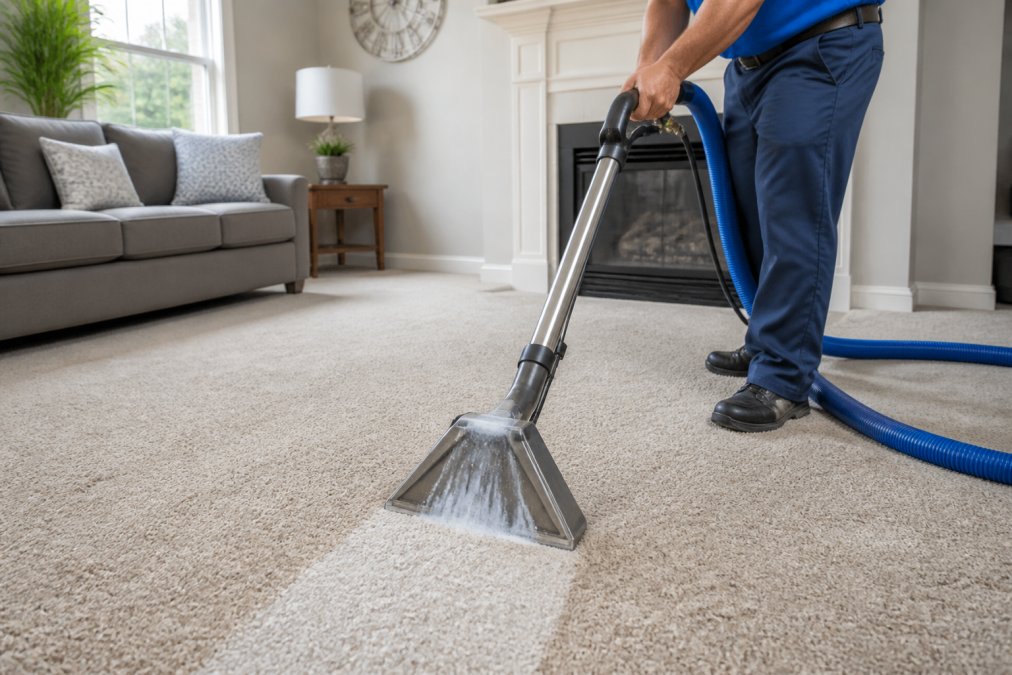
The process works by injecting hot water mixed with cleaning solution deep into carpet fibers and padding. The hot water dissolves dirt, oils, and contaminants. A powerful vacuum immediately extracts the water, dirt, and dissolved contaminants back out of the carpet. This two-step process removes soil from the deepest layers of carpet and padding. The heat also kills dust mites, bacteria, and mold spores on contact, and extraction removes moisture, preventing mold and mildew growth that occurs when carpet dries slowly.
Regular vacuuming only removes loose surface dirt and cannot dissolve embedded oils, reach padding, kill microorganisms, or extract moisture effectively.
According to the Institute of Inspection, Cleaning and Restoration Certification standards, hot water extraction is the recommended method for deep cleaning carpet because of its superior ability to remove embedded soil and allergens. Professional-grade equipment delivers water at temperatures and pressure that rental equipment cannot match, resulting in deeper cleaning and faster drying times.
The difference in results is visible and measurable. Water extracted during professional cleaning is noticeably darker than the water used, demonstrating how much soil is being removed from deep within the carpet structure.
Environmental Impact of Neglected Carpet Maintenance
Neglected carpets have environmental consequences that extend beyond your home. When carpets aren’t deep cleaned regularly, they accumulate chemical residues, pesticides, and volatile organic compounds that eventually leach into soil and water when the carpet is discarded.
Carpet replaced prematurely due to neglect creates unnecessary waste. Millions of tons of carpet end up in landfills annually. Regular professional deep cleaning extends carpet lifespan, reducing replacement frequency and the associated environmental impact of manufacturing, transportation, and disposal.
Eco-friendly deep cleaning methods minimize environmental impact further. Biodegradable cleaning solutions break down naturally rather than persisting in waterways. Proper water extraction and disposal prevents contaminated water from entering municipal systems.
The most environmentally responsible approach to carpet care is simple: maintain your carpet regularly with professional deep cleaning, extend its lifespan significantly, and replace it less frequently.
Neglected carpets don’t just look worse, they cost more, harm your health, and degrade faster than properly maintained carpet. The solution is straightforward: schedule professional deep cleaning every 12-18 months, vacuum regularly between cleanings, and address spills and odors promptly.
If your carpet shows signs of neglect, visible soil, persistent odors, or health symptoms, professional deep cleaning from Lake Geneva Carpet Cleaning can restore your carpet and improve your home’s indoor air quality. With over 32 years of experience and eco-friendly hot water extraction technology, we remove embedded allergens, pet odors, and seasonal contaminants that regular cleaning misses. Our 10-day satisfaction guarantee means you can trust the results. Contact Lake Geneva Carpet Cleaning today for a quote and discover why homeowners throughout Wisconsin choose us to maintain their carpets.
Frequently Asked Questions
How often are you supposed to deep clean carpet?
Most carpet manufacturers recommend deep cleaning every 12-18 months for average household traffic. High-traffic areas, pet owners, and households with allergy sufferers should deep clean every 6-12 months. Regular vacuuming between deep cleaning sessions helps extend the time between professional treatments, but it cannot remove soil accumulation and allergens embedded deep within the carpet pile and padding.
Can dirty carpets cause respiratory issues?
Yes. Neglected carpets accumulate dust mites, pet dander, mold spores, and volatile organic compounds that trigger respiratory problems. People with asthma, allergies, or other breathing conditions are especially vulnerable. Deep cleaning with hot water extraction removes these allergens and bacteria from deep within the fibers, significantly improving indoor air quality and reducing respiratory triggers throughout your home.
What happens if you never clean your carpet?
Skipping professional deep cleaning leads to accelerated fiber degradation, matting, fading, and a dingy appearance. Soil accumulation and bacteria growth create odor buildup and health hazards. You risk losing carpet warranty coverage, facing costly replacement instead of cleaning, and exposing your family to allergens and mold. The longer you wait, the more permanent the damage becomes.
Do carpets get dirtier after cleaning?
Carpets may appear to resoil faster if they're not dried properly or if cleaning solution residue remains in the fibers. Professional hot water extraction removes soil completely and dries carpets thoroughly, preventing rapid resoiling. Poor drying techniques can leave moisture that attracts new dirt and bacteria, so choosing experienced professionals with proper equipment is essential for lasting results.
This article was written using GrandRanker