Last Updated: October 24, 2026
Quick Summary
Does professional carpet cleaning kill dust mites? Yes, but the bigger health benefit is removing the allergens they leave behind, their waste and body fragments that trigger symptoms. Success depends on method, temperature depth, extraction power, and drying time.
- Dust mites thrive in warm, humid carpet environments and feed on dead skin cells you shed daily.
- Hot-water extraction is the strongest method for dust mite control because it combines heat and deep flushing extraction.
- Allergen removal through extraction matters more than killing mites alone; debris left in padding continues to trigger symptoms.
- Carpets must dry quickly after cleaning; lingering moisture allows mites to rebound and raises mold risk.
- Allergy sufferers should have carpets professionally cleaned every 6 to 12 months, plus maintain humidity below 50 percent between cleanings.
Table of Contents
- How Dust Mites Live and Thrive in Your Carpet
- Why Dust Mites and Their Allergens Trigger Allergy Symptoms
- Does Professional Carpet Cleaning Kill Dust Mites?
- How Does Steam Cleaning Kill Dust Mites?
- Hot-Water Extraction vs. Low-Moisture Cleaning Methods
- How to Control Dust Mites in Carpet Between Professional Cleanings
- How Often to Clean Carpet for Allergies
- Preparing Your Home and Aftercare for Best Results
- Schedule Your Professional Cleaning in the Lake Geneva Area
- Frequently Asked Questions
How Dust Mites Live and Thrive in Your Carpet
Dust mites are tiny creatures that live deep in carpet fibers. You can’t see them without a microscope, but millions of them may be living in your home right now. They feed on dead skin cells that humans shed every day. Your carpet is their perfect home because it traps moisture, dust, and the organic material they need to survive.
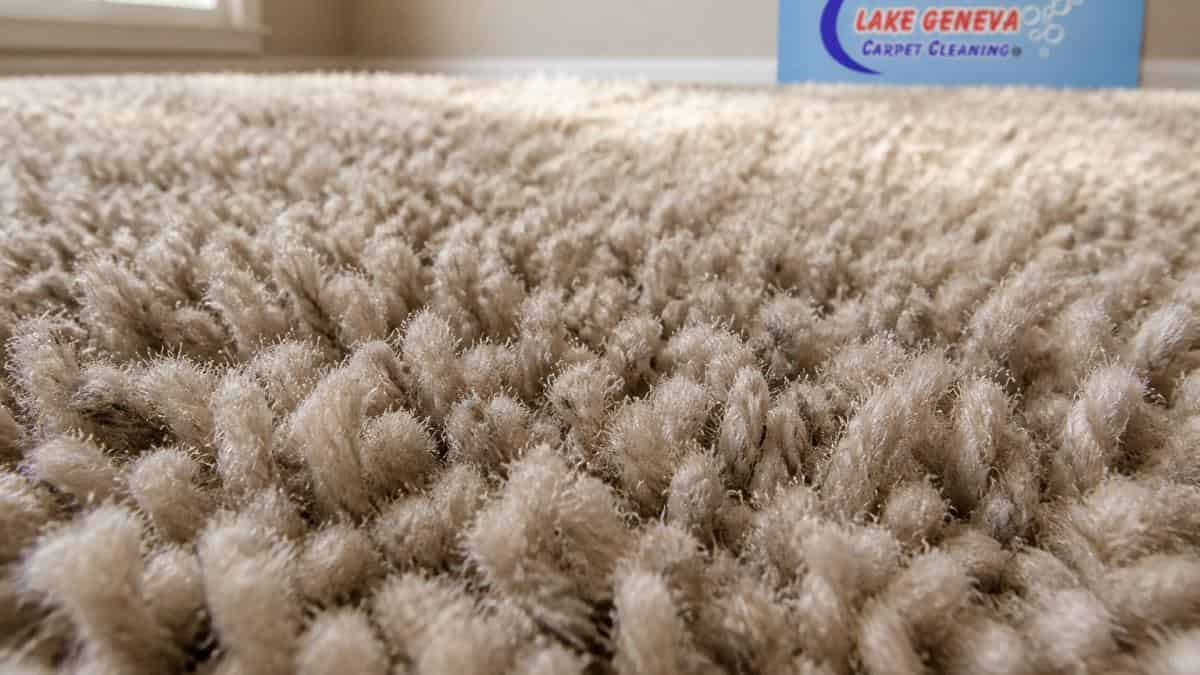
Dust mites thrive in warm, humid environments. They multiply quickly when conditions are right. A single carpet can harbor thousands of these microscopic pests. The deeper the carpet pile, the more protected they are from surface cleaning methods. This is why vacuuming alone often fails to control them.
Wall-to-wall carpet and area rugs provide ideal living spaces for dust mite colonies. The fibers trap moisture from humidity in the air. Dead skin cells settle into the carpet pile where mites feed. Over time, their population grows significantly if left unchecked. Understanding where they live helps explain why professional carpet cleaning matters for allergy sufferers.
Why Dust Mites and Their Allergens Trigger Allergy Symptoms
Dust mite allergens don’t come from the mites themselves. They come from dust mite waste and body fragments. When mites die, their bodies break down and become part of the carpet dust. These allergen particles are so small they float into the air when you walk on the carpet.
Your immune system reacts to these allergens as if they were harmful invaders. This triggers allergy symptoms like sneezing, itching, and watery eyes. People with dust mite allergies often suffer most in their bedrooms and living rooms where carpeted areas are heaviest. The allergen buildup happens gradually, making symptoms worse over weeks and months.
Carpet dust contains a mix of allergens, soil, and organic debris. When you breathe in this mixture, your body’s defense system activates. Sensitive individuals experience immediate reactions. Others develop symptoms slowly as allergen exposure increases. Professional carpet cleaning removes allergens deep within the fibers, offering relief that surface cleaning cannot match.
Does Professional Carpet Cleaning Kill Dust Mites?
The honest answer is: it depends on the method, the temperature reached at the fiber and padding level, and how quickly the carpet dries. Whether does professional carpet cleaning kill dust mites depends on method and drying time, but the bigger health win is removing the allergens they leave behind, the waste particles and body fragments that actually trigger symptoms. A good cleaner does both; a weak job does neither well.
Here is the distinction most articles skip. There are three separate things in your carpet:
- Live mites. These are vulnerable to sustained heat and to being pulled out by strong extraction. They do not survive long once separated from their humid microhabitat.
- Eggs. Eggs are tougher than adult mites and are more reliably removed by extraction than killed by a brief heat pass. This is why thorough extraction matters more than a quick hot rinse.
- Allergen-bearing debris. Mite waste and fragmented bodies are the actual trigger for allergy and asthma symptoms. Heat can denature some allergen proteins, but the reliable fix is physical removal, pulling the debris out of the pile and padding.
So “does it kill dust mites” is the wrong single question. The better question is: does the service reduce the allergen load deep in the carpet, and does it leave the carpet dry enough that mites don’t rebound?
Killing and removing are different outcomes. A method that kills mites but leaves allergen debris in the padding helps less than a method that extracts both and dries fast.
What actually determines the result:
- Temperature at depth. Dust mites are commonly cited as being controlled when textiles are held at roughly 130°F (about 54°C) or higher. Hot-water extraction can hit that at the surface, but the temperature that reaches the backing and padding is lower. A slow, thorough pass beats a fast one.
- Extraction power. Strong vacuum extraction pulls out mites, eggs, and allergen-laden soil together. Weak extraction leaves a damp, debris-rich layer, the opposite of what an allergy sufferer needs.
- Drying time. Mites need humidity to thrive. A carpet that dries within a few hours is far less hospitable than one that stays damp for a day or more. Lingering moisture also raises mold risk, which is its own indoor-air problem.
- Coverage. Edges, under furniture, and high-pile areas are where mites concentrate and where rushed jobs miss.
A common pattern among homeowners in the Lake Geneva area is to book a cleaning after a flare-up of sneezing or itchy eyes, then judge the result by smell or appearance. That’s the wrong test. Judge it by whether the carpet dries fast, whether the technician extracted thoroughly at edges and under furniture, and whether symptoms ease over the following weeks as allergen levels drop.
One more caveat worth stating plainly: no single cleaning permanently eliminates dust mites. They return with humidity, shed skin, and time. Professional cleaning resets the allergen load; your between-cleaning habits, humidity control, HEPA vacuuming, washing bedding hot, determine how long that reset lasts. If a provider promises a permanent mite-free carpet, that’s a claim to be skeptical of.
Indoor allergen guidance from the Environmental Protection Agency is a useful neutral reference for how humidity and cleaning interact with dust mite populations.
How Does Steam Cleaning Kill Dust Mites?
Steam cleaning, also called hot-water extraction, uses high-temperature water to break down allergens and extract them from carpet fibers. The heat penetrates deep into the carpet pile and padding. This temperature is too extreme for dust mites to survive in. The combination of heat and moisture extraction removes both the mites and their allergen-producing waste.
The process works by injecting hot water mixed with cleaning solution into the carpet. A powerful vacuum then extracts the water, dirt, and allergens back out. This cycle repeats across the entire carpet surface. The heat kills allergens on contact, while the extraction removes them from the carpet completely.
Research on heat-based allergen removal shows that temperatures above 130 degrees Fahrenheit significantly reduce dust mite populations in textiles. Steam cleaning typically uses water hotter than this threshold. The combination of heat and moisture extraction makes it one of the most effective methods for controlling dust mites in carpeted homes.
Steam cleaning also removes other allergens trapped in carpet fibers. Pet dander, pollen, and mold spores are extracted along with dust mite debris. This creates a healthier indoor air quality for your family. The deep cleaning reaches areas that vacuuming misses, especially in the carpet padding beneath the visible fibers.
Hot-Water Extraction vs. Low-Moisture Cleaning Methods
Most homeowners are offered a method without being told how it affects dust mites and allergens. Here’s a practical comparison by the criteria that actually matter for allergy control: heat, extraction depth, moisture left behind, likely allergen removal, and drying time.
| Method | Heat level | Extraction depth | Moisture left behind | Likely allergen removal | Typical drying time |
|---|---|---|---|---|---|
| Hot-water extraction (steam cleaning) | High, water can exceed 130°F at the wand | Deep, into pile and toward backing | Moderate to high; depends on extraction passes | High when done slowly with strong extraction | Roughly 4-12 hours with airflow |
| Steam/vapor (low-moisture steam) | Very high at the surface | Surface and upper pile | Low | Moderate; heat helps, but less flushing of debris | Often 1-4 hours |
| Dry cleaning (absorbent compound) | Low | Shallow | Very low | Low to moderate; debris stays deeper | Often 1-2 hours |
| Encapsulation / low-moisture | Low | Shallow to moderate | Low | Moderate on surface soil; limited at depth | Often 1-3 hours |
Read the table with one idea in mind: allergen control is a removal problem first and a heat problem second. The method that flushes the most debris out of the deepest layers, while still drying fast, wins for allergy sufferers.
Hot-water extraction is the strongest all-around choice for wall-to-wall carpet with a dust mite or allergy concern. The combination of heat and a strong flushing/extraction cycle pulls out mites, eggs, and allergen-bearing soil together. Its weakness is moisture: if the technician rushes extraction or the home has poor airflow, the carpet stays damp, and damp carpet is exactly what mites want. Ask how many extraction passes they make and how they handle drying.
Low-moisture methods, dry cleaning with an absorbent compound, or encapsulation, dry fast and are gentle on delicate or wool fibers. They’re a reasonable choice for light soil, quick turnaround, or fabrics that shouldn’t get soaked. But they don’t flush the deep pile and padding the way hot-water extraction does, and their lower temperatures are less reliable against mites. For a household with confirmed dust mite allergy, they’re usually a supplement, not the primary fix.
Surface steam sits in between: high heat at the surface, low moisture, fast drying, but less deep debris removal. It can knock down surface mites and refresh a carpet, yet it won’t reach the allergen reservoir in the backing.
How to choose, practically:
- Confirmed dust mite or asthma trigger: prioritize hot-water extraction with slow passes and a clear drying plan.
- Delicate, wool, or natural-fiber carpet: ask the provider which method protects the fiber, and accept that deep allergen removal may need a gentler, slower approach.
- Quick refresh between deep cleanings: a low-moisture method is fine, but pair it with HEPA vacuuming.
- Damp basement or humid season: favor the method with the fastest, most reliable dry time, and run fans or a dehumidifier regardless.
Around Lake Geneva, seasonal humidity off the lake and summer dampness make drying time a real variable, not a footnote. A method that works in a dry month can leave a carpet damp in a humid one. Ask any provider how they handle drying in humid weather and whether they use air movers.
Whatever the method, ask three questions before booking: How hot is the water at the wand? How many extraction passes do you make? How will you get the carpet dry, and how long will it take? The answers tell you more about dust mite results than the method name on the brochure.
Finally, method choice should follow the fiber, not the marketing. A provider who inspects your carpet and recommends based on pile, fiber, and your allergy situation is a better bet than one who offers a single method for every home. Pricing depends on the job, carpet type, square footage, and condition all factor in, so contact us for a free quote.
How to Control Dust Mites in Carpet Between Professional Cleanings
Regular vacuuming helps reduce dust mite populations between professional cleanings. Learn practical maintenance strategies to extend the benefits of professional cleaning. Use a vacuum with a HEPA filter to capture allergens instead of spreading them into the air. Vacuum high-traffic areas at least twice per week. Focus on bedrooms and living rooms where you spend the most time.
Moisture control is critical for preventing dust mite growth. Keep indoor humidity below 50 percent. Use a dehumidifier in damp areas. Dust mites thrive in humid environments, so reducing moisture slows their reproduction. Open windows on dry days to allow air circulation.
Wash bedding in hot water weekly to reduce mites in sleeping areas. Dust mites live in pillows, mattresses, and blankets. Hot water kills them and removes their allergen waste. Use allergen-proof pillow and mattress covers to create a barrier against mites. These covers trap allergens inside and prevent new mites from colonizing.
Furniture and area rugs need attention too. Vacuum rugs thoroughly and consider professional cleaning for those as well. Upholstered furniture collects dust mite allergens just like carpets do. Regular vacuuming and occasional professional cleaning of upholstery helps control allergen buildup throughout your home.
How Often to Clean Carpet for Allergies
Allergy sufferers should have carpets professionally cleaned more often than households without allergies. Standard recommendations suggest cleaning every 12 to 18 months for regular maintenance. For homes with dust mite allergies, more frequent cleaning delivers better results.
Many allergy sufferers benefit from professional cleaning every 6 to 12 months. This schedule prevents allergen buildup from reaching levels that trigger severe symptoms. The frequency depends on your allergy severity, carpet type, and household traffic. Homes with pets, children, or high foot traffic may need more frequent cleaning.
Between professional cleanings, maintain your carpets with regular vacuuming and moisture control. This extends the benefits of professional cleaning and slows allergen reaccumulation. A consistent maintenance schedule keeps your home healthier for longer. When you notice allergy symptoms worsening, it’s time to schedule professional cleaning.
Work with Lake Geneva Carpet Cleaning to develop a cleaning schedule that matches your needs. Our team understands the challenges allergy sufferers face. We can recommend the right frequency for your specific situation. Learn how often to clean carpet for allergies to find the schedule that works best for your household.
Preparing Your Home and Aftercare for Best Results
Prepare your home before professional cleaning arrives. Remove small items, toys, and clutter from the carpet. Move lightweight furniture if possible. Close doors to rooms you don’t want cleaned. This allows the technician to work efficiently and reach all carpet areas.
Let the carpet dry completely after cleaning. Drying time varies depending on the method used. Avoid walking on wet carpet when possible. Open windows and use fans to speed drying. Proper drying prevents mold growth and stops mites from returning quickly.
After your carpets dry, resume normal activities. Vacuum again after a few days to remove any remaining debris. This helps maintain the cleaning results. Follow your maintenance schedule with regular vacuuming and humidity control. These steps extend the benefits of professional cleaning and keep allergen levels low.
Prepare your home for professional carpet cleaning with our step-by-step guide. Proper preparation and aftercare maximize the effectiveness of your cleaning. This protects your investment and keeps your family healthier longer. Understanding what to expect helps you get the best results possible.
Schedule Your Professional Cleaning in the Lake Geneva Area
Professional carpet cleaning offers the most effective solution for dust mite and allergen control. Lake Geneva Carpet Cleaning serves Walworth County and surrounding areas including Twin Lakes, Genoa City, Walworth, Fontana, Darien, Burlington, Elkhorn, Williams Bay, Delavan, and East Troy. Our team has provided expert carpet cleaning for over 32 years.
We use state-of-the-art hot-water extraction technology to remove dust mites, allergens, and debris from deep within your carpet fibers. Our eco-friendly approach protects your family and pets while delivering superior cleaning results. We understand the health challenges that dust mite allergies create. Our goal is to restore your carpets and improve your indoor air quality.
Our 10-day satisfaction guarantee ensures you’re happy with your cleaning results. If you’re not satisfied, we’ll make it right. Contact Lake Geneva Carpet Cleaning today for a free quote and to discuss your specific needs. Whether you’re dealing with severe allergies or routine maintenance, our experienced team is ready to help you achieve cleaner, healthier carpets.
Frequently Asked Questions
Can professional carpet cleaning remove dust mite allergens?
Yes. Professional carpet cleaning using hot-water extraction removes dust mites, their waste (fecal matter), and dead mite debris from deep within carpet fibers and padding. This extraction process pulls out allergens that regular vacuuming cannot reach, significantly reducing allergen exposure. The combination of heat, water pressure, and suction targets the layers where dust mites live, delivering meaningful relief for allergy sufferers.
Does steam cleaning kill dust mites in carpet?
Steam cleaning uses heat to kill dust mites on contact and loosens allergens embedded in carpet fibers. The high temperature damages mites and denatures their proteins, while the moisture and suction extract the dead mites and their allergens. However, effectiveness depends on reaching the correct temperature throughout the carpet depth and ensuring thorough drying afterward to prevent mite regrowth.
How often should carpets be cleaned to help manage dust mite allergens?
For allergy sufferers, professional carpet cleaning every 6 to 12 months can help maintain allergen control. Between professional cleanings, vacuum weekly with a HEPA filter and use other dust control methods. Humidity levels below 50% also slow dust mite reproduction. Your specific schedule depends on household traffic, pets, and allergy severity, discuss your needs with a professional cleaner for a personalized plan.
What should I do after professional carpet cleaning to keep dust mites away?
After cleaning, allow carpets to dry completely (typically 24 hours or less with professional equipment). Maintain low indoor humidity by using a dehumidifier if needed. Vacuum regularly with a HEPA-filter vacuum, wash bedding weekly in hot water, and avoid over-wetting carpets with spot cleaners. These steps slow dust mite return and extend the benefits of professional cleaning.
Dust mites and their allergens don’t have to control your home. Professional carpet cleaning removes them completely from your carpets and improves your family’s health. Lake Geneva Carpet Cleaning delivers the deep cleaning your allergies demand, using proven hot-water extraction methods that eliminate allergens from carpet fibers and padding. Get started with a free quote and discover how professional cleaning transforms your home.