
Last Updated: October 23, 2026
Quick Summary
The best hypoallergenic carpet options combine low pile height under half-inch, dense fiber construction, and moisture-resistant backing paired with regular professional cleaning. Wool, nylon, and polyester can all work for allergy sufferers when constructed properly, but no single material eliminates allergens without ongoing maintenance and deep cleaning.
- Low-pile carpet traps fewer allergens than high-pile and allows easier cleaning access to embedded particles.
- Dense fiber weaving prevents allergens from sinking deeply into the carpet structure where vacuuming cannot reach them.
- Moisture-resistant backing and padding discourage dust mite and mold growth by preventing liquid from reaching the subfloor.
- Professional hot water extraction cleaning every 6 to 12 months removes embedded dust mites, pollen, and pet dander that household vacuuming cannot reach.
- Maintaining indoor humidity below 50 percent and vacuuming high-traffic areas twice weekly with a HEPA-filter vacuum significantly reduces allergen levels.
Table of Contents
- How Carpet Can Affect Allergies and Asthma
- Best Carpet for Allergies: Material Comparison
- Low-Pile Carpet for Allergies: Why Pile Height Matters
- Hypoallergenic Carpet Construction: What Makes It Effective
- Carpet Cleaning for Allergies: Maintenance and Deep Cleaning
- How to Reduce Allergens in Carpet: Practical Strategies
- When Hard-Surface Flooring and Area Rugs May Be Better
- Selecting the Right Hypoallergenic Carpet for Your Home
- Conclusion
- Frequently Asked Questions
How Carpet Can Affect Allergies and Asthma
Carpet can be a major trigger for allergies and asthma because it traps allergens deep within its fibers and padding. Dust mites, pollen, pet dander, and mold spores settle into carpet where vacuuming alone cannot reach them. For allergy sufferers in Lake Geneva and throughout Wisconsin, choosing the right hypoallergenic carpet options can make a real difference in indoor air quality and overall health.
At Lake Geneva Carpet Cleaning, we understand that many homeowners struggle with allergens embedded in their carpets. The challenge isn’t just keeping the surface clean, it’s removing what’s trapped below. Carpet fibers can hold allergens for months or even years, releasing them into the air every time someone walks across the floor or sits down.
The good news is that certain carpet materials, constructions, and maintenance practices can significantly reduce allergen buildup. Understanding how carpet interacts with common allergens helps you make an informed choice about which hypoallergenic carpet options work best for your home.
Allergens don’t just sit on carpet surfaces, they embed themselves deep in the pile and padding. Regular vacuuming helps, but professional deep cleaning removes what household methods miss.
Best Carpet for Allergies: Material Comparison
When selecting hypoallergenic carpet options, the material matters more than most people realize. Different fibers trap or release allergens differently, and some are naturally more resistant to dust mites and mold growth. The best carpet for allergies balances fiber choice, construction, and maintenance requirements.
Wool Carpet: Benefits and Drawbacks for Allergy Sufferers
Wool is a natural fiber that many believe is hypoallergenic, but the reality is more nuanced. Wool has natural properties that resist dust mites because it doesn’t retain moisture as readily as synthetic fibers. However, wool can still trap allergens in its structure, and the lanolin (natural oil) in wool can trigger reactions in some sensitive individuals.
Wool carpet for allergies works best when combined with low-pile construction and dense weaving. The benefits include natural flame resistance and durability. The drawback is that wool requires careful maintenance and may not be ideal for homes with severe dust mite allergies. Wool is also more challenging to clean and can be damaged by harsh chemicals, which limits the cleaning methods available.
For homeowners in the Lake Geneva area considering wool, professional cleaning becomes especially important. Standard carpet cleaning methods might not be suitable for wool, so you need providers experienced with natural fibers.
Synthetic Fibers: Nylon and Polyester Options
Synthetic fibers like nylon and polyester dominate the hypoallergenic carpet market for good reason. These materials don’t absorb moisture as readily as wool, which theoretically makes them less hospitable to dust mites. Nylon is durable and resists staining, while polyester offers softness and color retention.
The catch: synthetic fibers can still trap allergens just as effectively as wool. The fiber type alone doesn’t determine allergen levels, construction and maintenance do. Many people choose synthetic hypoallergenic carpet options because they’re easier to clean with standard hot water extraction methods and more affordable than wool.
Polyester tends to be softer underfoot, while nylon offers superior durability for high-traffic areas. Both can be treated with antimicrobial finishes, though the effectiveness of these treatments diminishes over time and with cleaning.
The material itself, wool, nylon, or polyester, is less important than pile height, fiber density, and regular professional cleaning for managing allergens.
Low-Pile Carpet for Allergies: Why Pile Height Matters
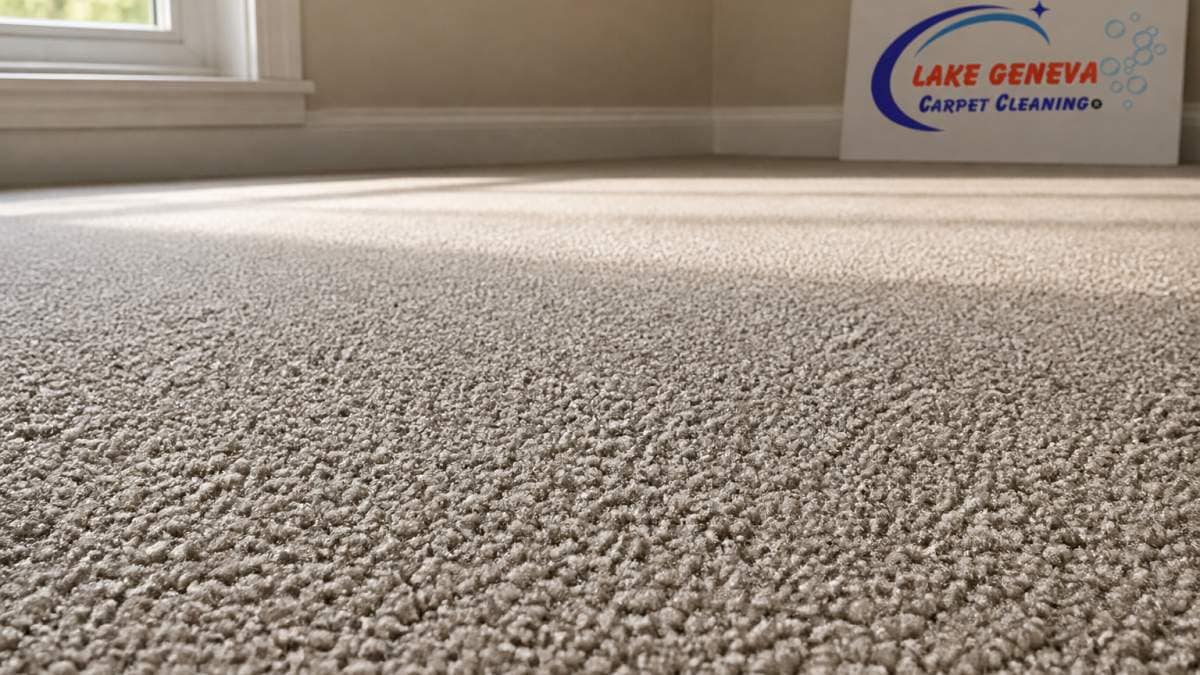
The height of carpet fibers directly affects how much allergen accumulation occurs. Low-pile carpet for allergies is the preferred choice because shorter fibers trap fewer particles and allow easier cleaning. High-pile carpet, while comfortable underfoot, creates a deeper reservoir for dust, pollen, and pet dander.
Low-pile carpet typically ranges from a quarter-inch to half-inch in height. This shorter construction means allergens sit closer to the surface where vacuuming and professional cleaning can reach them more effectively. The difference in allergen levels between low-pile and high-pile carpet can be substantial over time.
Fiber Density and Allergen Trapping
Fiber density works hand-in-hand with pile height. Dense construction means fibers are packed tightly together, which paradoxically helps with allergen management. Tightly woven fibers don’t allow particles to sink as deeply, and denser carpet is easier to clean thoroughly.
When evaluating hypoallergenic carpet options, look for density measured in ounces per square yard. Higher density generally means better performance for allergy sufferers. Dense, low-pile construction creates an environment where allergens remain accessible to cleaning methods rather than becoming permanently embedded.
Hypoallergenic Carpet Construction: What Makes It Effective
True hypoallergenic carpet options combine several construction features specifically designed to minimize allergen accumulation. The term “hypoallergenic” isn’t regulated by any government agency, so manufacturers use it somewhat loosely. Understanding what actually makes carpet hypoallergenic helps you evaluate claims critically, and it also helps you separate allergen trapping from allergen removal, two different things that are often confused in marketing language.
Effective hypoallergenic carpet construction includes:
- Low pile height (under half-inch) to limit allergen trapping
- Dense fiber weaving to prevent deep particle penetration
- Moisture-resistant backing to discourage mold and dust mite growth
- Antimicrobial treatments applied during manufacturing
- Solution-dyed fibers that resist staining and are easier to clean
The backing and padding are equally important. Moisture trapped in padding creates an ideal environment for mold and dust mites. Hypoallergenic carpet options often feature moisture-resistant or moisture-barrier backing that prevents liquid from reaching the subfloor. Padding density matters too: a firm, high-density pad keeps the carpet from flexing deeply underfoot, which reduces the amount of debris pushed down into the pile. A pad that crumbles or holds moisture works against every other allergy-friendly choice you make.
Indoor Air Quality and Carpet Emissions
Allergens are only part of the indoor air quality story. New carpet, adhesives, and some backings can release volatile organic compounds (VOCs) for a period after installation, and those emissions can bother sensitive individuals even when the carpet itself is low-pile and dense. This is why a carpet that is excellent at trapping dust can still cause complaints in the first weeks after it is installed.
A practical approach is to look for product documentation that addresses emissions, not just allergens. Many carpets and adhesives carry low-emission certifications, and manufacturers publish technical data sheets that list fiber type, pile height, density, backing material, and any applied treatments. Ask for those documents before you buy. If a salesperson cannot produce them, treat the hypoallergenic claim as marketing rather than a specification.
Ventilation during and after installation also matters. Allowing the room to air out, running fans, and keeping humidity moderate for the first several days helps flush initial emissions. For households with asthma or chemical sensitivities, scheduling installation when the home can be ventilated is a simple step that costs nothing and reduces irritation.
A Practical Selection Checklist
Use this checklist to compare actual products rather than slogans:
- Pile height: under half-inch, and shorter is generally better for allergy management
- Density: higher ounces per square yard, tightly packed fibers
- Fiber: wool, nylon, or polyester, each with trade-offs covered elsewhere in this guide
- Backing: moisture-resistant or moisture-barrier, with documentation
- Padding: firm, high-density, moisture-resistant
- Treatments: antimicrobial or stain-resistant finishes, with realistic expectations about how long they last
- Documentation: technical data sheets and low-emission certifications on file
- Cleanability: confirmed compatibility with hot water extraction
Antimicrobial treatments on carpet fade with time and cleaning. Don’t rely on them as a permanent solution, maintenance and professional cleaning remain essential for allergy management.
Hypoallergenic is not a single property. It is the combination of low pile, dense construction, moisture-resistant backing and padding, documented low emissions, and a cleaning routine that actually removes what the carpet traps.
Carpet Cleaning for Allergies: Maintenance and Deep Cleaning
Selecting hypoallergenic carpet options is only the first step. Ongoing maintenance determines whether your carpet actually reduces allergens or becomes a reservoir for them. Regular vacuuming and professional deep cleaning work together to keep allergens at manageable levels.
Vacuuming with a HEPA filter vacuum removes surface allergens, but it doesn’t address what’s embedded in the pile and padding. Professional deep cleaning using hot water extraction reaches allergens that household methods cannot touch. For allergy sufferers in Lake Geneva and surrounding areas, professional cleaning every 6-12 months is often recommended.
The type of cleaning matters too. Hot water extraction is generally considered most effective for removing allergens because the heat and moisture help dislodge particles from deep within the carpet structure. This method also allows for thorough rinsing, which removes cleaning solutions that could otherwise irritate sensitive airways.
Carpet cleaning for allergies becomes especially important if you have pets, live in a humid climate, or have family members with severe dust mite allergies. Professional cleaners have equipment and expertise that other providers simply cannot match.
How to Reduce Allergens in Carpet: Practical Strategies
Beyond selecting the right hypoallergenic carpet options and scheduling professional cleaning, several practical strategies help minimize allergen levels in your home. These steps are especially valuable for residents in the Lake Geneva area where seasonal changes can introduce additional contaminants.
Reduce allergens in carpet by:
- Vacuuming high-traffic areas twice weekly with a HEPA-filter vacuum
- Using area rugs in bedrooms and removing them regularly for washing
- Maintaining indoor humidity below 50% to discourage dust mites and mold
- Implementing specific dust mite reduction techniques tailored to your carpet type
- Removing shoes indoors to prevent tracking in pollen and outdoor allergens
- Using air purifiers with HEPA filters in bedrooms and living areas
- Keeping pets off carpeted areas when possible, or bathing them regularly to reduce dander
Ventilation also plays a role. Opening windows during low-pollen times helps reduce indoor allergen concentrations. In humid Wisconsin summers, dehumidifiers can help keep carpet from becoming too moist, which discourages mold growth.
The most effective approach combines all these strategies: choose low-pile, dense hypoallergenic carpet, maintain it with regular vacuuming, schedule professional deep cleaning at least annually, and control humidity and air quality in your home.
When Hard-Surface Flooring and Area Rugs May Be Better
For some allergy sufferers, especially those with severe dust mite allergies, hard-surface flooring might be a better choice than carpet. Tile, wood, and vinyl don’t trap allergens the way carpet does. However, hard flooring isn’t right for everyone, and many people prefer the warmth and comfort of carpet.
If you choose hard-surface flooring, area rugs can provide comfort while remaining easier to clean than wall-to-wall carpet. Washable area rugs can be taken outside and shaken, or laundered in hot water to remove allergens. This flexibility makes area rugs a middle-ground solution for homes where some family members have severe allergies.
The trade-off is that hard flooring can feel cold and echo, and it requires regular sweeping and mopping to manage allergens. Area rugs need more frequent cleaning than carpet to prevent allergen accumulation. For many households in the Lake Geneva area, a combination approach works best, hard flooring in bedrooms and living areas, with strategic area rugs in comfort zones.
Selecting the Right Hypoallergenic Carpet for Your Home
Choosing among hypoallergenic carpet options requires evaluating your specific situation. Consider your household’s allergy severity, traffic patterns, pets, and climate. The best carpet for allergies in one home might not be ideal for another, and a one-size-fits-all recommendation usually disappoints someone.
Start by assessing your needs:
| Factor | Consideration | Best Choice |
|---|---|---|
| Allergy Severity | Mild to moderate vs. severe | Low-pile, dense synthetic for severe; wool acceptable for mild |
| Pets | Presence and shedding level | Nylon for durability; stain-resistant treatments helpful |
| Traffic | High-traffic areas vs. low-use rooms | Dense construction; low pile for durability |
| Humidity | Wisconsin climate; basement vs. upper floors | Moisture-resistant backing; consider hard flooring in basements |
| Maintenance | Willingness to vacuum frequently and schedule professional cleaning | Low-pile synthetic easiest to maintain |
Household-Specific Recommendations
A household with a shedding dog has different priorities than a household with a dust-mite-sensitive child. Matching the carpet to the people and pets in the home is more useful than chasing a single best product.
- Pet owners: prioritize dense, low-pile nylon with stain-resistant treatment, and plan on more frequent professional cleaning because dander and oils accumulate faster.
- Households with children: favor low-pile, easy-to-clean synthetic in play areas, and keep washable area rugs where kids sit on the floor.
- Asthma sufferers: lean toward low-pile, dense construction with documented low emissions, and ventilate well after installation.
- Dust-mite sensitivities: keep humidity below 50%, choose moisture-resistant backing and padding, and consider hard flooring in bedrooms.
- Pollen sensitivities: focus on entryway strategies, remove shoes indoors, and vacuum high-traffic paths more often during pollen season.
Local Considerations for Lake Geneva and Southeastern Wisconsin
The Lake Geneva area brings seasonal patterns that affect carpet choice. Spring and summer pollen loads are heavy, and open windows during low-pollen hours help, but they also let pollen settle into carpet. Humid summers raise indoor moisture, which is why dehumidifiers and moisture-resistant backing matter here more than in drier regions. Winters mean more time indoors with closed windows, so dust and dander concentrate, and road salt and grit get tracked in from entryways.
For homes around Twin Lakes, Genoa City, Walworth, Fontana, Darien, Burlington, Elkhorn, Williams Bay, Delavan, and East Troy, basements and lower levels are common, and those spaces tend to run damper. In basements, moisture-resistant backing and a firm pad are especially important, and hard flooring with washable area rugs is often the safer choice where humidity is hard to control.
Once you’ve selected hypoallergenic carpet, professional installation ensures proper padding and backing placement. After installation, establish a maintenance routine immediately. The first few weeks of ownership set the pattern for allergen management throughout the carpet’s lifespan.
For residents throughout the Walworth and Kenosha counties area, professional carpet cleaning for allergies should be scheduled within the first month after installation to remove manufacturing residue and construction dust. This deep clean provides a fresh baseline before regular use begins. Pricing depends on the job, so contact us for a free quote to plan the right schedule for your home.
Conclusion
The best hypoallergenic carpet options combine low pile, dense construction, and moisture-resistant backing with a commitment to regular maintenance and professional cleaning. Wool, nylon, and polyester can all work for allergy sufferers when constructed properly, but no carpet material alone eliminates allergens, management requires ongoing effort.
For homeowners in Lake Geneva, Twin Lakes, Genoa City, Walworth, Fontana, Darien, Burlington, Elkhorn, Williams Bay, Delavan, and East Troy, professional carpet cleaning removes the allergens that household vacuuming cannot reach. Lake Geneva Carpet Cleaning uses hot water extraction technology to pull embedded dust mites, pollen, and pet dander from deep within carpet fibers and padding, significantly improving indoor air quality. Our team has served Wisconsin homeowners for over 32 years, helping families breathe easier in their homes. Contact us for a free quote to learn how professional cleaning can support your hypoallergenic carpet choice and reduce allergens in your home.
Frequently Asked Questions
Does carpet cleaning help with allergies?
Yes. Professional carpet cleaning removes dust mites, pollen, pet dander, and other allergens trapped deep in carpet fibers and padding. Hot water extraction is particularly effective at pulling out embedded particles that vacuuming alone cannot reach. Regular deep cleaning, combined with proper maintenance, significantly reduces allergen buildup and improves indoor air quality for allergy sufferers.
Is low-pile carpet better for allergies?
Low-pile carpet is generally better for allergies because its shorter, denser fibers trap fewer allergens and are easier to clean thoroughly. High-pile carpet has more surface area where dust, pollen, and pet dander can accumulate and hide. When selecting hypoallergenic carpet for allergies, low-pile options with dense construction minimize allergen retention and respond better to regular vacuuming and professional cleaning.
How often should carpet be cleaned if someone has allergies?
Allergy sufferers should vacuum at least twice weekly with a HEPA filter vacuum and schedule professional deep cleaning every 6-12 months, depending on household conditions. Homes with pets, children, or multiple family members with allergies may benefit from more frequent professional cleaning. Regular maintenance prevents allergen accumulation and helps maintain the effectiveness of hypoallergenic carpet.
What should allergy sufferers look for when choosing carpet?
Look for low-pile carpet with dense fiber construction, natural or synthetic materials treated to resist allergen trapping, and carpet with low-emission backing. Consider wool or high-quality synthetic fibers designed for allergen resistance. Ensure the carpet padding is moisture-resistant to prevent mold growth. Ask about the carpet’s VOC emissions and cleanability. Professional installation and regular maintenance are equally important for long-term allergen control.