Table of Contents
- Why Your Carpet Smells After Cleaning
- How to Remove Pet Urine From Carpet
- Carpet Drying Time After Professional Cleaning
- Musty Smell in Carpet After Shampooing
- Reactivation of Deep-Seated Stains and Wicking
- How to Fix Smelly Carpets After Cleaning
- Local Environmental Factors Affecting Carpet Odor
- How Different Carpet Fiber Types Retain Moisture
- DIY vs. Professional Equipment for Odor Removal
- Health Implications of Odorous Carpets
- Key Takeaways
- Frequently Asked Questions
Last Updated: October 3, 2026
Why Your Carpet Smells After Cleaning
When you hire a professional to clean your carpets, you expect them to smell fresh and clean afterward. Instead, you walk in to find a musty, unpleasant odor lingering in the room. This happens more often than you’d think, and there are real reasons why your carpet smell after cleaning can persist or even worsen temporarily.
At Lake Geneva Carpet Cleaning, we’ve seen this problem countless times. The issue usually comes down to moisture. Professional cleaning introduces water into your carpet fibers and padding. If that water doesn’t dry quickly enough, it creates the perfect environment for bacteria and mold to grow. That’s what you’re actually smelling, not the cleaning solution, but microbial growth in damp carpet padding.
Understanding what causes carpet smell after cleaning helps you prevent it or fix it fast. The good news is that most odor problems are temporary and solvable with the right approach.
The Role of Moisture and Incomplete Drying
Moisture is the root cause of most post-cleaning odors. When a carpet is cleaned, water is forced deep into the fibers and down into the padding underneath. If that moisture sits for too long, bacteria and mold begin to thrive.
The problem gets worse in humid climates or during seasons when air circulation is poor. A damp carpet in a closed room can take days to dry completely. During that time, microorganisms multiply rapidly. The smell you notice is actually volatile organic compounds released by bacterial growth and mold development.
Proper drying requires two things: air movement and low humidity. Without both, moisture gets trapped in the carpet padding and subfloor. This is why ventilation matters so much after cleaning.
Open windows immediately after cleaning, even on cool days. Air circulation is your fastest weapon against odor. Run ceiling fans or portable fans to push air across the carpet surface.
Bacterial Growth in Damp Carpet Padding
The carpet padding underneath your visible fibers is a sponge. It absorbs and holds water longer than the surface fibers do. When padding stays damp, bacteria colonize it rapidly.
These microorganisms feed on organic matter in the padding and carpet fibers. As they multiply, they release metabolic byproducts that smell distinctly musty or sour. The smell can linger for days even after the carpet feels dry to the touch on top.
Bacterial growth is especially likely if the carpet was already damp from humidity, pet accidents, or previous water damage before cleaning began. Professional extraction technology helps pull moisture out, but it can’t remove all water from deep padding.
How to Remove Pet Urine From Carpet
Pet urine is one of the hardest odors to eliminate. Unlike general moisture problems, urine contamination requires targeted treatment because the odor compounds are different.
Identifying Pet Urine Crystals and Organic Contamination
Pet urine contains uric acid crystals that bond to carpet fibers and padding. These crystals don’t dissolve in water alone. When moisture reactivates them, even weeks after the accident, the ammonia smell returns. This is why pet urine odors come back after cleaning.
Identifying where the urine actually is takes detective work. Urine soaks down through fibers into padding and can spread sideways along the subfloor. A small visible spot on the surface may have contamination covering a much larger area underneath.
The organic compounds in pet urine feed bacteria. This creates a double problem: the uric acid crystals themselves smell, and the bacterial growth they support makes the odor worse.
Standard carpet cleaning alone often fails to eliminate pet urine. The water used in cleaning can temporarily reactivate uric acid crystals, making the smell worse for a few days before it fades again. This is why homeowners think the problem is unsolved.
Why Standard Cleaning May Not Eliminate the Odor
Regular hot water extraction removes surface dirt and some moisture, but it doesn’t break down uric acid crystals. These crystals sit in the carpet fibers and padding, waiting to be reactivated by humidity or moisture.
When you clean a urine-contaminated carpet without using an enzymatic treatment, you’re only solving part of the problem. The water from cleaning rehydrates the uric acid temporarily, and the smell returns as the carpet dries.
Professional enzymatic cleaners work differently. They contain proteins that break down the molecular bonds holding uric acid crystals together. This actually eliminates the source of the odor, not just masks it.
Carpet Drying Time After Professional Cleaning
How fast your carpet dries depends on the cleaning method used, the humidity level, and your ventilation. Understanding these factors helps you prevent odor problems before they start.
How Extraction Technology Affects Drying Speed
Truck-mounted hot water extraction systems pull water out of carpet more aggressively than portable or rental machines. The suction power in professional equipment is significantly stronger, which means less moisture gets left behind in the padding.
Better extraction means faster drying. A carpet cleaned with truck-mounted equipment typically dries in 6-12 hours under good conditions. Rental machines or over-the-counter spot cleaners often leave carpets wet for 24-48 hours or longer.
The difference matters. Every extra hour of dampness gives bacteria more time to multiply. This is why professional equipment reduces the risk of post-cleaning odors.
Professional truck-mounted extraction removes more water in the first pass, which is the single most important factor in preventing musty smells after cleaning.
Ventilation and Air Circulation During the Drying Process
Air movement is as important as extraction power. Even with professional equipment, your carpet won’t dry fast if the room is closed up with poor air flow.
Open windows to create cross-ventilation. Position fans to blow air across the carpet surface, not just around the room. Ceiling fans help, but portable fans pointed at the wet carpet work better. Run dehumidifiers if the air is humid.
In Wisconsin’s climate, humidity can be high even when it doesn’t feel that way. This slows evaporation. A dehumidifier pulls moisture from the air, which speeds up the drying process significantly.
Avoid closing doors to the cleaned room. This traps humid air and slows drying. The more air exchange you create, the faster moisture leaves the carpet and padding.
Musty Smell in Carpet After Shampooing
Shampooing, the process of applying cleaning solution and agitating the carpet, can leave behind residue if not rinsed thoroughly. This residue creates its own set of problems.
Soap Residue and Surfactant Buildup
Cleaning solutions contain surfactants, which are compounds that help break down dirt and oils. If these surfactants aren’t completely rinsed out, they stay in the carpet fibers.
Surfactant residue attracts moisture from the air. This keeps the carpet damp longer than it should be. Damp carpet with surfactant buildup creates an ideal environment for mold and mildew.
The musty smell from surfactant residue is different from bacterial odor. It’s more chemical-based, almost like a stale cleaning product smell mixed with dampness. Some people describe it as a soapy, wet-dog odor.
This is why the rinse cycle after shampooing is critical. Insufficient rinsing leaves residue behind. Professional equipment uses multiple rinse cycles to remove surfactants completely.
Mold and Mildew Growth From Excess Moisture
Mold and mildew thrive in damp, poorly ventilated spaces. Carpet padding creates a perfect habitat because it holds moisture and provides organic material for mold to feed on.
Mold growth in carpet is a health concern, especially for people with allergies or respiratory sensitivity. Mold releases spores that can trigger asthma, allergic reactions, and other respiratory issues.
Mildew is a surface-level mold that appears as a thin, grayish coating. It produces a distinctive musty odor that’s hard to miss. If you smell this odor after cleaning, mildew is likely growing in the damp padding.
Prevention is simpler than remediation. Dry the carpet quickly using ventilation and dehumidification. If mildew does develop, professional treatment with antimicrobial solutions is often necessary.
Reactivation of Deep-Seated Stains and Wicking
Sometimes the smell after cleaning isn’t new, it’s a reactivated old problem. This happens through a process called wicking.
Wicking occurs when moisture moves up from the carpet padding to the surface. If there’s old contamination in the padding (pet urine, food spills, or other organic matter), this moisture carries the odor compounds upward. The carpet smells worse after cleaning than it did before.
This is especially common with pet urine. The uric acid crystals in the padding get rehydrated by cleaning water, and the smell comes back stronger initially. The odor usually fades as the carpet dries, but it can be alarming when it happens.
Deep-seated stains also contain bacteria and organic compounds. When cleaning water reaches these stains, it reactivates them temporarily. The smell can persist for several days as the padding dries.
Understanding wicking helps you know that this temporary odor intensification is normal. It doesn’t mean the cleaning failed. It means the cleaning reached contamination that was already there.
How to Fix Smelly Carpets After Cleaning
If your carpet smells bad after cleaning, these steps will help you resolve it quickly.
Immediate Steps: Dehumidification and Air Flow
Start drying the carpet aggressively. Open all windows and doors to create air circulation. Use fans to push air across the carpet surface, not just around the room.
Run a dehumidifier in the room if you have one. Dehumidifiers pull moisture from the air, which speeds evaporation from the carpet and padding. This is one of the fastest ways to eliminate dampness and the odors that come with it.
Keep the room temperature moderate. Warm air holds more moisture, so if it’s hot outside, keep the air conditioning running. Cool, dry air evaporates moisture faster.
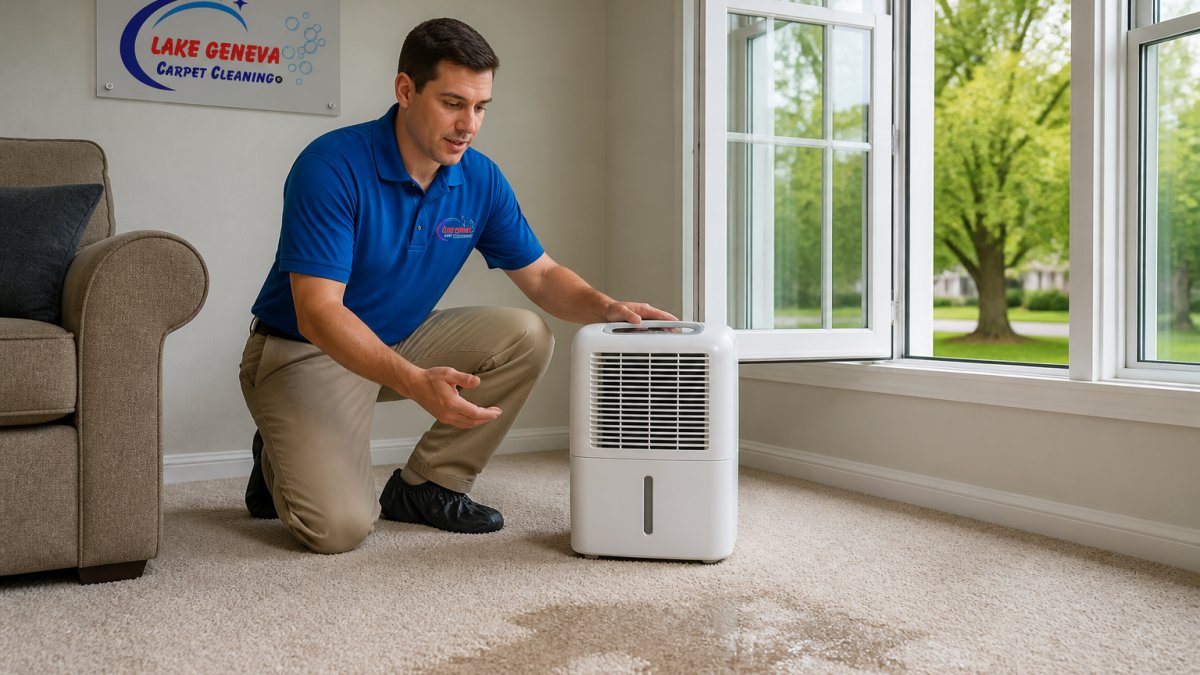
Avoid walking on the carpet until it’s completely dry. Foot traffic pushes moisture deeper into the padding and slows the drying process.
Using Enzymatic Cleaners and Deodorizing Solutions
Enzymatic cleaners are your best tool for organic odors like pet urine. These products contain proteins that break down the molecular structure of odor-causing compounds.
Spray enzymatic cleaner on the affected area and let it sit for the time recommended on the product label. The enzymes need time to work. Once they’ve had time to break down the compounds, extract or blot up the excess moisture.
For general musty smells from mold or mildew, antimicrobial deodorizing sprays can help. These products kill the microorganisms causing the odor. Apply them to damp areas and allow them to dry.
Baking soda is a natural deodorizer that absorbs odors from carpet. Sprinkle it on the carpet, let it sit for several hours, then vacuum it up. This works well for mild odors but won’t solve severe contamination.
When Professional Sanitization Is Needed
Some odor problems are too severe for DIY solutions. If the smell persists after drying and enzymatic treatment, professional sanitization is the right choice.
Professional sanitization uses hospital-grade antimicrobial solutions that kill bacteria, mold, and mildew deep in the padding. These treatments are more powerful than store-bought products and reach deeper into the carpet structure.
Sanitization is especially important if you suspect mold growth. Mold can spread and cause health problems if left untreated. Professional treatment eliminates it completely.
Lake Geneva Carpet Cleaning uses eco-friendly sanitization methods that eliminate odors. This is important if you have children or pets in your home.
Local Environmental Factors Affecting Carpet Odor
Wisconsin’s climate creates unique challenges for carpet drying and odor prevention. Understanding these local factors helps you manage your carpets better.
Humidity is high during summer months, especially near water. The Lake Geneva area’s proximity to the lake means moisture in the air lingers longer. This slows carpet drying and increases the risk of mold growth.
Winter brings a different problem. Heating systems dry the air inside, but moisture from cleaning water still needs to escape. Cold outdoor air can’t hold much moisture, so opening windows actually helps drying during winter cleaning.
Spring and fall see rapid humidity changes. These seasonal transitions create ideal conditions for mold because moisture levels fluctuate. Consistent ventilation during these seasons is critical.
Road salt and seasonal contaminants tracked into homes create organic buildup in carpet. This material feeds bacterial growth when moisture is present. Regular cleaning helps prevent this accumulation.
How Different Carpet Fiber Types Retain Moisture
Not all carpet fibers behave the same way when wet. Understanding your carpet type helps you know what to expect after cleaning.
Wool carpet absorbs and releases moisture slowly. Wool fibers can hold significant water without feeling wet to the touch. This means wool carpets take longer to dry and are more prone to mold if not dried carefully.
Synthetic fibers like polyester and nylon don’t absorb as much water. They dry faster than wool, but they still hold moisture in the padding underneath. The fiber type matters less than what’s underneath it.
Cut-pile carpet has more surface area than loop-pile, so it feels wetter longer. However, loop-pile traps moisture in the loops, which can slow drying. Both types require good ventilation and air circulation.
Older carpet with dense padding underneath holds moisture longer than modern carpet with thinner backing. If your home has older carpet, plan for longer drying times and more aggressive ventilation.
DIY vs. Professional Equipment for Odor Removal
When you’re dealing with carpet odor, the tools you use make a real difference in results.
DIY rental machines and store-bought spot cleaners extract less water than professional truck-mounted equipment. They typically leave carpets damp for 24-48 hours or longer. This extended drying time increases the risk of odor problems.
Rental machines also have less suction power, which means they don’t reach as deep into the padding. Contamination in the padding often gets missed, which is why odors return after DIY cleaning.
Professional truck-mounted extraction systems use powerful vacuums that pull water from both the surface and the padding. The equipment heats water to higher temperatures, which helps break down contaminants more effectively. Drying time is cut roughly in half compared to rental equipment.
The difference is significant when dealing with pet urine or other organic contamination. Professional equipment extracts more water in the first pass, which means faster drying and less risk of bacterial growth.
Lake Geneva Carpet Cleaning uses state-of-the-art truck-mounted hot water extraction technology. This professional-grade approach removes more moisture and contaminants.
Health Implications of Odorous Carpets
Smelly carpets aren’t just unpleasant, they can affect your health. Understanding the health risks helps you prioritize carpet maintenance.
Mold and mildew in carpet release spores into the air. These spores trigger allergic reactions and asthma symptoms in sensitive people. Children and elderly residents are especially vulnerable.
Bacterial growth in damp carpet can contribute to respiratory infections. The bacteria release compounds that irritate airways. People with existing respiratory conditions notice symptoms worse when carpets smell musty.
Dust mites thrive in damp carpet. These microscopic creatures produce allergens that cause itching, sneezing, and congestion. Damp conditions allow dust mite populations to explode.
Pet urine contamination creates ammonia vapor. Ammonia irritates eyes, nose, and throat. Long-term exposure can cause chronic respiratory problems, especially in children.
Volatile organic compounds released by mold and bacterial growth can cause headaches, fatigue, and difficulty concentrating. These symptoms improve once the carpet is properly dried and cleaned.
Proper drying and professional sanitization protect your family’s health. Fast drying prevents mold growth. Professional treatment eliminates bacteria and allergens. The result is a healthier home environment.
Key Takeaways
| Problem | Cause | Solution |
|---|---|---|
| Musty odor after cleaning | Slow drying, moisture in padding | Ventilation, dehumidifier, air circulation |
| Pet urine smell returns | Uric acid crystals reactivated by moisture | Enzymatic cleaners, professional sanitization |
| Soapy smell | Surfactant residue from cleaning solution | Thorough rinsing, air circulation |
| Mold or mildew growth | Excess moisture in damp conditions | Fast drying, antimicrobial treatment |
| Smell worse after cleaning | Wicking of deep-seated contamination | Allow time for drying, use enzymatic cleaners |
The smell you notice after carpet cleaning usually means one thing: moisture. Whether it’s from incomplete drying, bacterial growth, pet urine contamination, or mold development, the solution involves getting your carpet dry fast and using the right treatment for the specific problem.
Most post-cleaning odors disappear within 24-48 hours if you create good ventilation and air circulation. If the smell persists beyond that, enzymatic cleaners or professional sanitization can solve it.
For stubborn odor problems, especially pet urine or mold, professional treatment is worth the investment. Lake Geneva Carpet Cleaning specializes in removing embedded odors and contamination that DIY methods miss. Our truck-mounted extraction technology removes significantly more moisture than rental equipment, which means faster drying and fewer odor problems. Contact us for a free quote to discuss your specific carpet odor issue.
Frequently Asked Questions
How long does it take for carpet to stop smelling after cleaning?
Drying time typically ranges from 4 to 24 hours, depending on humidity, airflow, and the extraction method used. Truck-mounted hot water extraction removes more moisture than portable equipment, reducing drying time significantly. Running a dehumidifier and opening windows accelerates the process. If your carpet still smells after 24 hours, moisture may be trapped in the padding, requiring additional ventilation or professional intervention.
Can over-wetting carpet cause a sour smell?
Yes. Excessive moisture creates an environment where bacteria and mildew thrive, producing sour, musty odors. This happens when extraction is incomplete or when too much water is applied during shampooing. Proper hot water extraction technology removes the majority of moisture, preventing this problem. If your carpet smells sour after cleaning, increase air circulation immediately and consider using a dehumidifier to prevent mold growth in the carpet padding.
Does a smelly carpet after cleaning mean there is mold?
Not always. A musty odor can result from bacterial growth, incomplete drying, or soap residue, not necessarily mold. However, if moisture remains trapped in the carpet padding for extended periods, mold and mildew can develop. A truly moldy carpet requires professional sanitization and deep extraction to address the contamination. If the smell persists beyond 24 hours despite proper ventilation, professional assessment is recommended to rule out mold or bacterial proliferation.
How do I know if pet urine smell will return after professional cleaning?
Pet urine crystals embedded deep in the padding can reactivate when exposed to humidity, causing the odor to return within weeks. Professional hot water extraction with enzymatic cleaners targets these crystals more effectively than standard methods. If the smell returns quickly, it indicates the urine penetrated the subfloor or padding. In such cases, additional deep cleaning or targeted enzymatic treatment may be necessary for permanent odor elimination.