Table of Contents
- What HEPA Filters Remove From Indoor Air
- How HEPA Filters Work to Capture Particulate Matter
- HEPA Filtration vs. Standard HVAC Filters
- How to Reduce Allergens in the Home With HEPA Filters
- HEPA Filters and Asthma Relief
- Benefits of Professional Carpet Cleaning for Air Quality
- Integration With Your Existing HVAC System
- Maintaining Your HEPA Filter for Peak Performance
- Frequently Asked Questions
Last Updated: October 1, 2026
What HEPA Filters Remove From Indoor Air
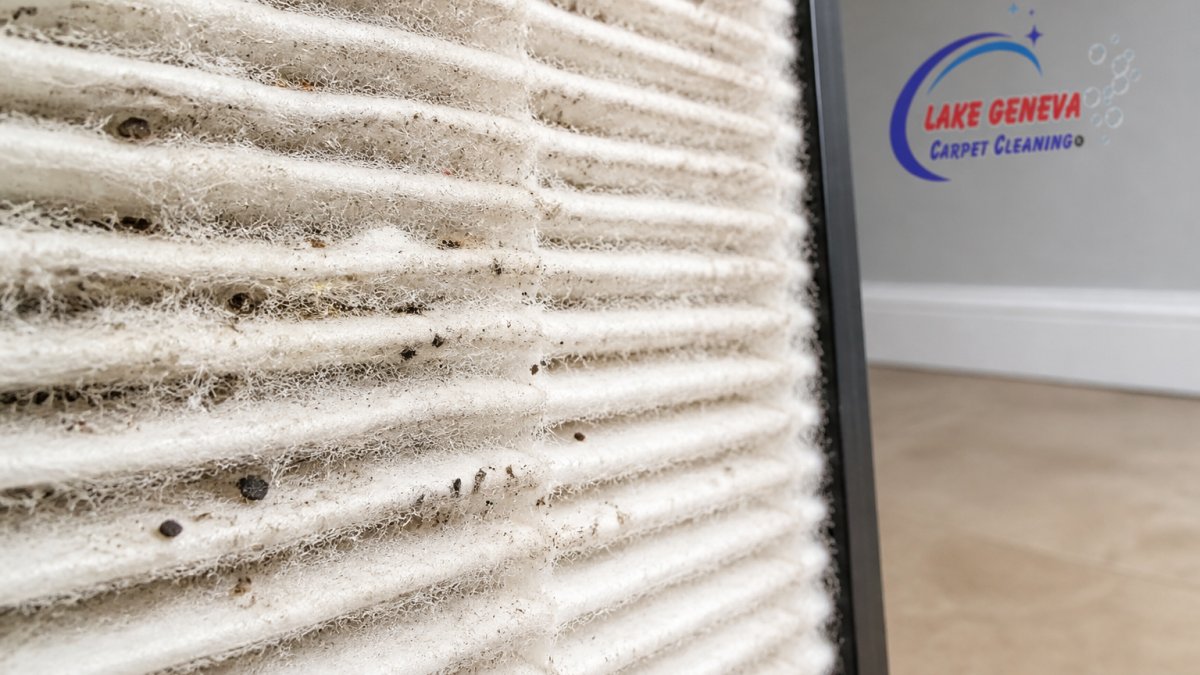
HEPA filters at home are designed to capture microscopic particles that standard HVAC filters miss. These high-efficiency particulate air filters trap dust, pollen, pet dander, dust mites, mold spores, and other airborne contaminants that circulate through your home. The filtration happens at a molecular level, removing particles as small as 0.3 microns from the air you breathe every day.
Your indoor air quality depends on what gets filtered out. Homes without proper HEPA filtration accumulate allergens and particulate matter that settle into carpets, furniture, and bedding. These contaminants don’t just sit on surfaces, they become airborne again with foot traffic, pet movement, and normal air circulation, creating a cycle of re-exposure that affects your family’s health and comfort.
The particles HEPA filters capture include volatile organic compounds, bacteria, and fine dust that contribute to poor indoor air quality. When you combine HEPA filtration with professional carpet cleaning, you address both the source and the circulation of these pollutants. Lake Geneva Carpet Cleaning uses truck-mounted hot water extraction technology to remove embedded allergens and contaminants from carpet fibers, while HEPA filtration prevents those particles from becoming airborne again after cleaning.
HEPA filters work best when paired with regular carpet maintenance. Professional cleaning removes the trapped allergens from carpet padding where vacuums cannot reach, reducing the overall allergen load in your home.
How HEPA Filters Work to Capture Particulate Matter
HEPA filtration operates through three mechanical processes: interception, impaction, and diffusion. As air passes through the filter’s dense fiber mat, particles collide with fibers and stick to them, removing them from the air stream permanently. The filter’s effectiveness comes from its ability to capture particles across many sizes, from large dust particles down to microscopic contaminants.
The MERV rating system measures filter efficiency, but HEPA filters exceed standard MERV ratings entirely. A true HEPA filter must remove at least 99.97% of particles 0.3 microns or larger from the air passing through it. This standard ensures consistent performance across all HEPA-certified products, making them the most reliable choice for reducing airborne irritants in your home.
Static pressure matters when installing HEPA filters in your existing system. The filter’s density creates resistance to airflow, which means your HVAC system works harder to push air through. Your home’s ventilation system needs adequate capacity to handle this resistance without compromising air circulation or system efficiency.
The clean air delivery rate, or CADR, tells you how much filtered air the system produces per minute. A higher CADR means faster air purification and more effective allergen reduction throughout your living spaces. When choosing a HEPA solution, look for systems designed to match your home’s square footage and air exchange requirements.
HEPA Filtration vs. Standard HVAC Filters
Standard HVAC filters typically have MERV ratings between 1 and 13, with most residential systems using MERV 8 or MERV 11 filters. These filters capture larger particles like dust, lint, and some pollen, but they miss the fine particulate matter that causes allergies and respiratory problems. A MERV 8 filter removes approximately 20 to 35 percent of particles between 3 and 10 microns in size, and almost nothing below 1 micron. A MERV 11 filter improves to roughly 40 to 65 percent capture in that range, but still misses most ultrafine particles.
True HEPA filters operate at a completely different performance level. By definition, a HEPA filter must remove at least 99.97 percent of particles 0.3 microns or larger from the air passing through it. This means HEPA filtration captures particles that standard filters allow to pass through and recirculate, including dust mite allergens (2 to 10 microns), pet dander fragments (0.5 to 100 microns), mold spores (3 to 40 microns), and bacteria (0.5 to 5 microns). The difference in real-world air quality is dramatic: homes with HEPA filtration typically see airborne particulate matter drop by 80 to 95 percent within the first week of operation.
In the Lake Geneva area, seasonal air quality challenges make this difference particularly important. During spring and early summer, agricultural dust from surrounding farmland and seasonal pollen from trees and grasses can elevate outdoor particulate matter to unhealthy levels. Standard HVAC filters provide minimal protection during these periods, allowing outdoor contaminants to accumulate indoors. HEPA filtration creates a cleaner indoor environment even when outdoor air quality is poor, which is especially valuable for residents with asthma, allergies, or other respiratory sensitivities.
Filter replacement intervals differ significantly between standard and HEPA filters. Standard MERV 8-11 filters typically require replacement every one to three months because they clog quickly with larger particles. HEPA filters often last six to twelve months because they’re designed to handle fine particles without rapid clogging, though replacement schedules depend on your home’s air quality and filter capacity. In homes with pets, smokers, or high dust levels, HEPA filters may need replacement every three to six months. The longer lifespan of HEPA filters in many situations can offset the higher per-filter cost, though pricing depends on the specific filter and your home’s needs.
Energy efficiency represents a real trade-off with HEPA filtration. Standard filters create minimal resistance to airflow, typically 0.1 to 0.2 inches of water column, so your HVAC system operates with minimal strain. HEPA filters require your system to work harder due to their dense fiber matrix, creating 0.5 to 1.0 inches of water column or more of static pressure. This increased resistance means your blower motor consumes more electricity to maintain adequate airflow. For most homeowners, the energy cost increase is modest, but older systems with undersized blowers may see larger increases. However, the air quality improvement and health benefits often outweigh the increase in utility costs for homes where residents suffer from allergies or asthma.
Many homeowners wonder whether HEPA filters can work with their existing HVAC system. The answer depends on your system’s age, blower capacity, and ductwork condition. Systems installed after 2010 usually have adequate blower capacity to handle HEPA filtration with minimal performance loss. Older systems may struggle, particularly if ductwork has leaks or poor sealing. Professional assessment of your specific system ensures you choose the right filtration approach for your home. An HVAC contractor can measure your system’s current airflow and static pressure to determine whether HEPA filtration is feasible without system upgrades.
HEPA filters capture 99.97% of fine particles down to 0.3 microns, while standard MERV 11 filters capture only 40 to 65 percent of particles in the 3-10 micron range and almost nothing smaller. This difference translates to dramatically cleaner indoor air and fewer allergen triggers for allergy and asthma sufferers.
How to Reduce Allergens in the Home With HEPA Filters
Reducing allergens requires a multi-layered approach that combines HEPA filters at home with regular carpet cleaning and maintenance. Start by assessing your current air filtration system and determining whether it can accommodate HEPA-level filters. If your HVAC system has limited capacity, consider standalone HEPA air purifiers for bedrooms and main living areas where you spend the most time.
Dust mites thrive in carpets, bedding, and upholstered furniture. HEPA filtration prevents their microscopic waste particles from becoming airborne, but it doesn’t eliminate the mites themselves. Professional carpet cleaning removes the dust mites and their allergens from deep within carpet fibers and padding where vacuums cannot reach. This combination of filtration and cleaning creates an environment where allergen levels drop significantly.
Pet dander represents another major allergen source in homes with cats or dogs. HEPA filters capture dander particles as they circulate through your air, reducing the concentration in your breathing space. Regular grooming and professional carpet cleaning remove dander that’s already embedded in your flooring and furnishings, preventing accumulation over time.
Pollen enters your home through windows, doors, and on clothing. During high pollen seasons, HEPA filtration becomes even more critical for maintaining indoor air quality. Keeping windows closed during peak pollen hours and using HEPA filtration creates a cleaner indoor environment where allergen exposure drops dramatically.
Moisture and humidity levels affect allergen concentration. Dust mites prefer humid environments, so maintaining relative humidity between 30 and 50 percent reduces their population. HEPA filtration works alongside humidity control to create conditions where allergens cannot thrive.
HEPA Filters and Asthma Relief
People with asthma benefit significantly from HEPA filtration because the condition involves airway inflammation triggered by inhaling particles and irritants. When HEPA filters remove fine particulate matter from your home’s air, asthma sufferers experience fewer triggers and reduced symptom severity. The reduction in airborne contaminants means fewer coughing episodes, less wheezing, and better overall respiratory comfort.
Asthma attacks often occur when inhaled particles irritate sensitive airways. HEPA filtration prevents these particles from reaching your lungs by removing them before they enter your breathing space. This preventive approach works better than treating symptoms after exposure has already occurred.
Research shows that people with asthma who implement comprehensive air quality improvements, including HEPA filtration and professional carpet cleaning, report significant symptom reduction. The combination addresses both the sources of irritants and their circulation through your home. Many families find that their asthma medications become more effective when they reduce environmental triggers through better air quality management.
Sleep quality improves when asthma symptoms decrease. Nighttime breathing problems often wake asthma sufferers, disrupting rest and affecting daytime function. HEPA filtration in bedrooms creates cleaner air during sleep hours, reducing nighttime symptoms and allowing for more restorative rest.
Asthma triggered by allergens and particulate matter requires reducing both the sources of irritants and their circulation. HEPA filtration alone helps, but professional carpet cleaning removes the embedded allergens that filtration cannot address.
Benefits of Professional Carpet Cleaning for Air Quality
Professional carpet cleaning removes allergens, dust mites, pet odors, and embedded contaminants that vacuums cannot extract. Hot water extraction technology penetrates carpet fibers and padding, lifting dirt and allergens to the surface where they’re removed completely. This deep cleaning process addresses the source of many airborne irritants that HEPA filters must otherwise manage continuously.
Your carpet acts as a filter itself, trapping particles from foot traffic and air circulation. Over time, this accumulation becomes so heavy that regular vacuuming cannot remove it effectively. Professional cleaning restores the carpet’s ability to function as a passive filter while removing the allergen load that’s already built up.
Seasonal contaminants like road salt, mud, and sand accumulate in carpets, especially in homes near water or in areas with harsh winters. These particles irritate respiratory systems and trigger allergies. Professional cleaning removes seasonal buildup before it becomes embedded permanently in carpet fibers.
Pet odors result from bacteria and organic compounds trapped in carpet padding. These odor-causing compounds become airborne and affect indoor air quality. Professional extraction removes the source of odors rather than just masking them with fragrances. Lake Geneva Carpet Cleaning specializes in removing stubborn pet odors using eco-friendly methods that eliminate the bacteria causing the smell.
The truck-mounted hot water extraction method used by professional cleaners achieves higher temperatures and extraction rates than portable equipment. This superior cleaning power removes more allergens and contaminants in a single cleaning session. The result is noticeably improved indoor air quality that lasts longer between cleanings.
Cognitive function and sleep quality improve when indoor air quality increases. People breathing cleaner air experience better focus, fewer headaches, and more restful sleep. These benefits extend beyond allergy sufferers to anyone living in the home, making professional carpet cleaning an investment in overall household health.
Integration With Your Existing HVAC System
Installing HEPA filtration into your existing HVAC system requires understanding your system’s specifications, airflow capacity, and static pressure tolerance. Most modern HVAC systems manufactured after 2010 can accommodate high-efficiency filters, but older systems, common in many Lake Geneva-area homes, may lack the necessary blower capacity to push air through the denser HEPA media without compromising circulation.
Static pressure is the resistance your HVAC blower must overcome to push air through the filter. Standard MERV 8-11 filters create minimal static pressure, typically 0.1 to 0.2 inches of water column (in. w.c.). True HEPA filters create significantly higher static pressure, often 0.5 to 1.0 in. w.c. or more, depending on filter design and loading. Older blower motors may not be sized to handle this increased resistance without strain, which can reduce airflow throughout your home and force your system to work harder, increasing energy consumption.
Your home’s air exchange rate, how many times per hour all the air in your home cycles through the filter, determines how quickly HEPA filtration improves air quality. A typical residential HVAC system exchanges air 4 to 8 times per day. If your system cannot maintain adequate airflow with a HEPA filter installed, air quality improvements will be slower and less consistent. An HVAC professional can measure your system’s current airflow using a blower door test or ductwork assessment to determine whether your blower can handle HEPA-level filtration.
Ductwork design and condition directly affect filtration efficiency. Leaks, disconnections, or poorly sealed joints in ductwork allow unfiltered air to bypass your HEPA filter entirely, reducing its effectiveness by 10 to 30 percent depending on leak severity. Sealing ductwork before upgrading to HEPA filtration ensures all air passes through the filter. This is especially important in older homes where ductwork may have settled or deteriorated over decades.
Filter location matters for both performance and system compatibility. Filters installed in the return air plenum (the chamber before air enters the blower) clean all air before circulation, but create the highest static pressure load on your blower. Filters installed in individual supply ducts or in a whole-home air purifier unit provide more distributed filtration and lower pressure on any single component. Your HVAC contractor can recommend the best placement strategy based on your home’s layout, ductwork design, and blower capacity.
Many homeowners in older Wisconsin homes benefit from a hybrid approach: a whole-home HEPA-grade filter in the main return air ductwork paired with portable HEPA air purifiers in bedrooms and main living areas. This strategy reduces the static pressure burden on your existing blower while still providing high-efficiency filtration in the spaces where you spend the most time. Portable units are particularly effective during high-pollen seasons when outdoor air quality in the Lake Geneva area is compromised by agricultural dust or seasonal pollen spikes.
Maintenance becomes more critical when you upgrade to HEPA filtration. These filters require monthly visual inspection and replacement every 6 to 12 months, depending on your home’s air quality and filter capacity. A clogged HEPA filter increases static pressure further, forcing your blower to work even harder. Regular filter changes prevent this efficiency loss and maintain the air quality improvements you’re seeking.
If your HVAC system cannot accommodate HEPA filtration without significant strain, upgrading your blower or installing a new system may be necessary. An HVAC professional can assess your system and provide recommendations tailored to your home’s specific needs and your budget. Professional assessment ensures you choose the right filtration approach that balances air quality improvement with system efficiency and longevity.
Maintaining Your HEPA Filter for Peak Performance
HEPA filters require regular inspection to ensure they’re functioning effectively. A clogged filter reduces airflow and defeats the purpose of having high-efficiency filtration. Check your filter monthly and replace it according to manufacturer recommendations or when you notice reduced airflow.
Proper filter installation prevents air leakage around the filter edges. Gaps allow unfiltered air to bypass the HEPA media, reducing overall filtration effectiveness. Ensure filters fit snugly in their housing and follow installation instructions carefully to maximize performance.
Environmental factors affect filter lifespan. Homes with pets, smokers, or high dust levels will clog HEPA filters faster than clean environments. Homes in areas with high outdoor air pollution or seasonal pollen may need more frequent filter changes. Adjust your maintenance schedule based on your specific home conditions.
Handling filters properly during replacement prevents damage to the delicate fiber matrix. Never wash HEPA filters or attempt to clean them, they’re designed for single-use replacement. Damaged filters lose their filtration capability and should be replaced immediately.
Combining HEPA filtration with professional carpet cleaning extends the life of your filters. When carpets are clean, they release fewer particles into the air, reducing the load on your HEPA filter. This synergy between carpet cleaning and air filtration creates a cleaner home environment with lower maintenance demands.
| Maintenance Task | Frequency | Impact |
|---|---|---|
| Visual filter inspection | Monthly | Prevents clogging and airflow reduction |
| Filter replacement | Every 6-12 months | Maintains 99.97% filtration efficiency |
| Professional carpet cleaning | 1-2 times yearly | Reduces particle load on filter |
| HVAC system inspection | Annually | Ensures proper airflow and filter function |
| Ductwork sealing check | Every 2-3 years | Prevents unfiltered air bypass |
HEPA filters significantly improve indoor air quality for homeowners and local business owners who prioritize respiratory health and allergen reduction. When combined with professional carpet cleaning, HEPA filtration creates a comprehensive approach to maintaining clean air in your home. Lake Geneva Carpet Cleaning helps complete this strategy by removing embedded allergens and contaminants from carpets using eco-friendly hot water extraction technology. Contact us today for a free quote and discover how professional carpet cleaning paired with HEPA filtration can transform your home’s air quality and create a healthier living environment for your family.
Frequently Asked Questions
What exactly does a HEPA filter remove from the air?
HEPA filters capture 99.97% of airborne particles 0.3 micrometers or larger, including dust mites, pollen, pet dander, mold spores, and fine particulate matter. They also trap bacteria and some viruses. This level of filtration removes contaminants that standard filters miss, significantly improving indoor air quality and reducing respiratory irritants in your home.
How often should I replace the HEPA filter in my home system?
Most HEPA filters need replacement every 6 to 12 months, depending on air quality, household size, and pet presence. Homes with pets, smokers, or high dust levels may need more frequent replacements. Check your filter monthly and replace it when it appears visibly dirty or when airflow decreases. Regular replacement maintains the filter’s effectiveness at capturing allergens and particulate matter.
Are HEPA filters effective against pet dander?
Yes, HEPA filters are highly effective at capturing pet dander, which is a major allergen for many households. Pet dander particles are large enough to be trapped by HEPA filtration. Combined with regular professional carpet cleaning to remove embedded dander deep in carpet fibers and padding, HEPA filters provide comprehensive allergen reduction for pet owners.
Do I need a HEPA filter if I have my carpets professionally cleaned?
Both work together for optimal results. Professional carpet cleaning removes embedded allergens, dust mites, and pet dander from deep within carpet fibers and padding that vacuum cleaning cannot reach. HEPA filters then capture airborne particles released during daily activity. Using both methods creates a complete indoor air quality strategy, especially important for households with allergies or asthma.