Table of Contents
- How Carpets Trap Airborne Pollutants and Affect Indoor Air Quality
- Common Indoor Allergens and Contaminants Found in Carpet Fibers
- Carpet Cleaning and Allergy Relief: What Professional Extraction Removes
- How Professional Hot Water Extraction Works to Improve Air Quality
- Professional vs. DIY Cleaning: Why Deep Cleaning Makes the Difference
- How to Improve Indoor Air Quality Through Regular Carpet Maintenance
- How Often to Clean Carpets for Health and Air Quality
- Preventing Mold, Bacteria, and Respiratory Health Issues
- Extending Carpet Lifespan While Maintaining a Healthier Home
- Frequently Asked Questions
Last Updated: September 1, 2026
How Carpets Trap Airborne Pollutants and Affect Indoor Air Quality
Your carpet is quietly collecting what you can’t see. Every day, airborne pollutants, dust, pet dander, pollen, and microscopic particles, settle into the fibers and padding. Unlike hard floors, carpets act as a filter, trapping these contaminants deep within the pile. The problem isn’t collection; it’s what happens when those particles stay there.
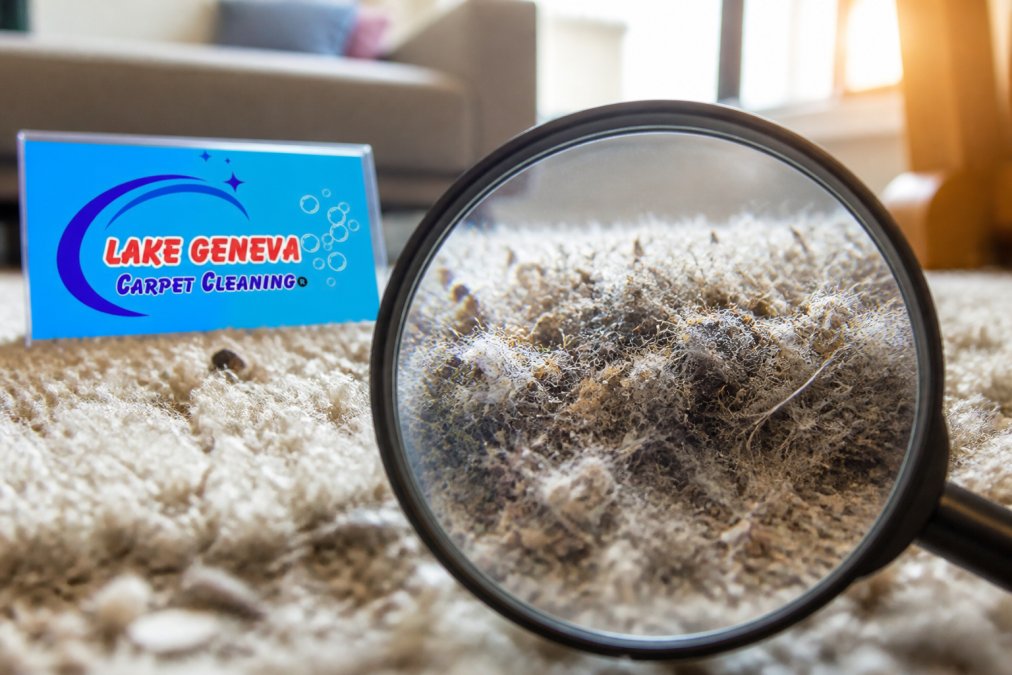
When you walk across the carpet or your pets play on it, trapped particles get disturbed and re-enter the air you breathe. A carpet that looks clean on the surface can harbor thousands of microscopic particles in the breathing zone, the lower 3 feet of air where children and pets spend most of their time. Studies show that indoor air quality directly correlates with how frequently carpets are cleaned and maintained.
A common misconception is that visible dirt equals total contamination. Most embedded pollutants are invisible to the naked eye. A carpet that looks acceptable may harbor allergens, mold spores, and bacteria deep in the fibers where vacuums can’t reach.
Common Indoor Allergens and Contaminants Found in Carpet Fibers
Carpets trap living allergens. Dust mites thrive in carpet fibers, feeding on dead skin cells and multiplying rapidly in humid environments. A single gram of carpet dust can contain thousands of dust mite allergens, a serious concern for people with asthma or allergies.
Pet dander is another major culprit. Even without pets, visitor dander settles into your carpet and remains for months, triggering allergic reactions and respiratory issues. Pollen enters on shoes and clothing, then becomes trapped where it continues triggering symptoms long after outdoor season ends.
Mold spores represent a hidden threat, especially in humid environments. Bacteria also colonize carpets, particularly in high-traffic areas and where spills have occurred. These microorganisms release volatile organic compounds (VOCs) that affect indoor air quality and trigger respiratory symptoms.
Ignoring carpet contamination has real consequences. People with asthma or allergies often experience worsening symptoms without realizing their carpet is the source. Children and pets are at higher risk because they spend more time at carpet level, breathing air with higher concentrations of these particles.
Carpet Cleaning and Allergy Relief: What Professional Extraction Removes
Professional extraction removes allergens that standard vacuuming leaves behind by targeting the source of indoor air quality problems deep within the carpet structure.
Hot water extraction forces heated water and cleaning solution into carpet fibers and padding, then immediately extracts the liquid along with loosened debris. This process removes dust mites, their allergens, pet dander, pollen, and bacteria embedded in the fibers. The extraction also removes moisture, reducing conditions where mold and bacteria thrive.
The difference between professional cleaning and home vacuuming is substantial. A home vacuum reaches only the surface and upper pile. Professional extraction reaches the base of fibers and into the padding. For people with allergies or asthma, this difference translates directly into allergy relief and fewer respiratory triggers.
Many homeowners report noticeable improvement in allergy symptoms within days of professional cleaning. Breathing becomes easier, nighttime congestion decreases, and daytime energy improves. These reflect actual allergen removal from the indoor environment. The extraction process also addresses odors caused by bacteria and mold, improving both how your home smells and the actual air you’re breathing.
How Professional Hot Water Extraction Works to Improve Air Quality
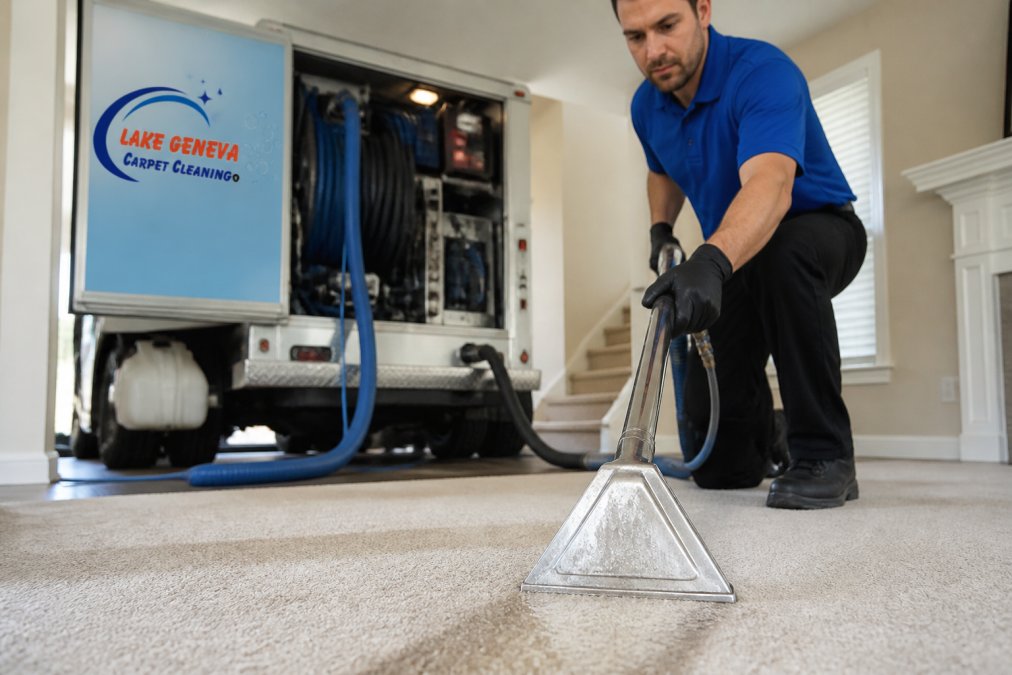
Professional hot water extraction is the most effective method for improving indoor air quality through carpet cleaning. The process involves three key steps: pre-treatment, extraction, and drying.
Pre-treatment and fiber preparation
Pre-treatment applies cleaning solution to break down bonds holding dirt and allergens to fibers. The solution penetrates deep into the pile and padding, loosening embedded contaminants. Professional-grade solutions target specific contaminants, dust mite allergens, pet dander proteins, bacterial biofilms, without leaving residue that could off-gas volatile organic compounds back into your home.
Extraction with advanced filtration
High-pressure water heated to 200+ degrees Fahrenheit is forced into the carpet while simultaneously being extracted. The heat kills bacteria and mold spores while pressure dislodges trapped particles. Professional truck-mounted systems generate significant pressure, reaching deeper into carpet backing and padding where allergens accumulate.
Equally important is filtration: professional equipment uses multi-stage filtration, including HEPA-grade filters that capture microscopic particles. Contaminants are removed from the carpet and trapped in the equipment’s waste tank, they don’t recirculate into your breathing air. Rental machines often lack adequate filtration, meaning bacteria, mold spores, and allergen particles are stirred back into the air rather than permanently removed.
Moisture extraction and drying protocols
Professional equipment removes the majority of moisture through powerful extraction, leaving carpets damp rather than soaking wet. This prevents mold growth and ensures quick drying, typically within 4-8 hours with proper air circulation. Improper drying creates new air quality problems by leaving moisture that encourages mold and bacteria growth.
Professionals manage humidity and air circulation during and after cleaning, using fans and dehumidifiers to accelerate drying and prevent secondary mold colonization. In areas with elevated humidity, this moisture management is particularly important.
Professional hot water extraction with advanced filtration removes allergens and bacteria from the breathing zone. This directly improves the indoor air quality you experience every day, and the difference in equipment capability between professional systems and rental machines is substantial.
Professional vs. DIY Cleaning: Why Deep Cleaning Makes the Difference
The gap between professional and DIY cleaning is larger than most homeowners realize. Rental machines lack the power and precision of professional equipment. They don’t generate sufficient heat or pressure to extract embedded allergens and bacteria, often leaving carpets damp or overly wet, which creates conditions for mold growth. Many rental machines also lack proper filtration, meaning bacteria and allergens are stirred back into the air during cleaning.
Store-bought spot cleaners work only on visible stains and surface dirt. They don’t address embedded contaminants that affect indoor air quality. For allergen removal and bacterial reduction, these products are essentially ineffective.
Professional cleaning uses truck-mounted equipment with powerful extraction systems, heated water delivery, and advanced filtration. Technicians have training in proper technique, water temperature management, and drying protocols, preventing common mistakes that worsen indoor air quality like over-wetting or failing to extract properly.
The health impact is significant. Professional carpet cleaning air quality improvements are measurable and lasting, whereas DIY attempts may temporarily improve appearance but do nothing to address allergens and bacteria affecting your breathing. For households with children, pets, or anyone with respiratory sensitivity, this difference matters.
How to Improve Indoor Air Quality Through Regular Carpet Maintenance
Improving indoor air quality isn’t a one-time event; it’s an ongoing process. Professional cleaning is essential, but maintenance between cleanings matters too.
Measuring your indoor air quality baseline
Before implementing a maintenance routine, establish a baseline using indoor air quality (IAQ) monitors that measure particulate matter (PM2.5 and PM10), including dust, pollen, and pet dander. Take a baseline reading before professional cleaning, then measure again 24 hours after and weekly for the following month. You’ll see a dramatic drop immediately after cleaning, then gradual rise as dust re-accumulates. This data helps you understand your household’s contamination rate and informs cleaning frequency.
Vacuuming with HEPA filtration
Regular vacuuming with a HEPA-filter vacuum captures surface particles before they settle deeper into fibers. HEPA filtration traps microscopic particles that standard vacuums recirculate into the air. Vacuum at least weekly in high-traffic areas, and more frequently if you have pets or family members with allergies.
Moisture and humidity management
Dust mites and mold thrive in humid environments. Maintain indoor humidity between 30-50% using dehumidifiers in basements, bathrooms, and other damp areas. Mold spores germinate most readily in carpets with moisture content above 12%, so preventing damp conditions is critical for air quality.
Preventing contamination at entry points
Remove shoes when entering your home to prevent outdoor pollutants and contaminants from being tracked onto your carpet. Use doormats to capture debris before it reaches your carpet. Replace doormats monthly during high-contamination seasons.
Addressing spills and pet accidents immediately
Address spills immediately by blotting with clean cloths rather than rubbing, which pushes moisture deeper into the padding. For pet accidents, professional enzymatic treatment is necessary to fully eliminate odors and bacteria, home remedies rarely penetrate deep enough to prevent recurrence.
Seasonal maintenance
Spring: Professional cleaning removes winter debris and mold spores. Follow with increased vacuuming as outdoor pollen season begins.
Summer: Increase dehumidifier use as humidity rises. Vacuum more frequently to capture pollen and outdoor debris.
Fall: Professional cleaning before winter removes accumulated debris and prepares carpets for the closed-window season.
Winter: Maintain dehumidifiers to prevent mold growth. Vacuum frequently to capture winter debris.
Tracking maintenance effectiveness
Keep a simple log of professional cleaning dates, weekly vacuuming frequency, humidity levels, and IAQ readings. After 2-3 months, patterns will show which maintenance practices have the biggest impact on your air quality. This data helps you optimize your routine and understand whether you need more frequent professional cleaning.
The single most effective maintenance habit is preventing contamination from entering your carpet in the first place. Shoes off, doormats at entries, and immediate spill cleanup prevent the buildup that makes indoor air quality worse over time.
How Often to Clean Carpets for Health and Air Quality
The frequency of professional cleaning depends on your household situation. For most families, professional cleaning once or twice per year maintains good indoor air quality. High-traffic households, homes with pets, or families with allergy sufferers benefit from more frequent cleaning every 3-6 months.
Families with members who have asthma or severe allergies often see the most benefit from more frequent professional cleaning. Removing allergens regularly prevents accumulation and keeps symptoms manageable. Between professional cleanings, regular vacuuming with HEPA filtration helps maintain indoor air quality.
A common mistake is waiting until carpets look dirty to schedule professional cleaning. By that point, embedded allergens and bacteria have already affected indoor air quality. Proactive cleaning on a schedule prevents this deterioration.
Preventing Mold, Bacteria, and Respiratory Health Issues
The connection between carpet cleanliness and respiratory health is direct. Mold spores, bacteria, and allergens trigger asthma attacks, allergic reactions, and respiratory irritation. Preventing their growth is essential for maintaining a healthy indoor environment.
Mold prevention starts with moisture control. Professional cleaning removes existing mold spores, but preventing moisture accumulation is the long-term solution. Dehumidifiers, proper ventilation, and quick drying after cleaning all help prevent mold growth.
Bacteria thrive in dirty, damp carpets. Professional cleaning removes existing bacteria and the organic matter they feed on. Between cleanings, prompt spill cleanup and regular vacuuming prevent bacterial colonies from establishing.
The respiratory health impact of contaminated carpets is significant, especially for children and elderly family members. Asthma triggers, allergic reactions, and respiratory irritation all improve when carpets are properly cleaned and maintained. Professional carpet cleaning air quality benefits extend to preventing secondary infections by removing bacteria and mold spores that weaken immune function in the respiratory system.
Extending Carpet Lifespan While Maintaining a Healthier Home
Professional carpet cleaning does more than improve air quality; it extends the life of your carpet. Dirt and embedded particles act like sandpaper, abrading carpet fibers with every footstep. Professional cleaning removes these abrasive particles, reducing fiber damage. A carpet cleaned regularly lasts significantly longer than one that’s neglected.
The padding underneath also benefits from professional cleaning. Moisture and bacteria in the padding compromise its structural integrity and create conditions for mold growth. Professional extraction removes moisture and contaminants, preserving the padding and preventing premature replacement.
Professional cleaners use appropriate cleaning solutions and extraction methods that don’t leave residue or damage fibers, another advantage over DIY attempts. Extending carpet life through professional maintenance means longer periods of health benefits and reduced environmental impact from replacement.
Your carpets play a larger role in your home’s health than most people realize. They’re either filtering your air or contaminating it, depending on how clean they are. Professional carpet cleaning air quality improvements are measurable, lasting, and essential for households concerned about respiratory health, allergies, or overall indoor environment quality.
At Lake Geneva Carpet Cleaning, we understand that clean carpets mean healthier homes. Our owner-operated business has spent over 32 years perfecting the process of deep cleaning that removes allergens, bacteria, and embedded contaminants that affect your indoor air quality. Using state-of-the-art truck-mounted hot water extraction technology, we deliver results that go beyond appearance to genuinely improve the air you breathe. Contact us for a free quote and discover how professional cleaning can transform your home into a healthier space for your family.
Frequently Asked Questions
Q: How does professional carpet cleaning improve indoor air quality?
A: Professional carpet cleaning removes embedded allergens, dust mites, pet dander, and particulate matter trapped deep in carpet fibers and padding. Hot water extraction technology penetrates below the surface where vacuums cannot reach, eliminating microscopic pollutants that circulate in your breathing zone. This deep cleaning significantly reduces airborne irritants and improves the overall indoor environment, particularly benefiting those with allergies or respiratory sensitivities.
Q: How often should carpets be professionally cleaned for health?
A: For optimal health benefits, most households should have carpets professionally cleaned every 12-18 months. Homes with pets, children, or allergy sufferers may benefit from more frequent cleaning every 6-12 months. High-traffic commercial spaces may need quarterly cleaning. Regular professional maintenance prevents the buildup of allergens, dust mites, and bacteria, maintaining fresher indoor air quality year-round and extending carpet longevity.
Q: Can professional carpet cleaning really help with allergies and dust mites?
A: Yes. Professional hot water extraction effectively removes dust mites, their droppings, pet dander, and other allergens embedded in carpet fibers and padding. Unlike vacuuming, which only cleans the surface, professional extraction reaches the breathing zone where microscopic particles accumulate. Many allergy sufferers report noticeable relief after professional cleaning, though results depend on cleaning frequency and overall home hygiene practices.
Q: What is the difference between professional cleaning and DIY methods?
A: Professional equipment uses truck-mounted hot water extraction systems that generate higher water temperatures and suction power than rental machines or store-bought spot cleaners. This removes embedded debris, allergens, and contaminants more effectively. Professional technicians also understand fiber restoration and sanitization techniques that prevent rapid resoiling. DIY methods typically clean only surface dirt, leaving allergens and bacteria deep within the carpet intact.
This article was written using GrandRanker