Last Updated: November 23, 2026
Quick Summary
Steam cleaning asthma benefits are real but limited: hot water extraction can pull dust mite allergens, pet dander and pollen out of carpet and upholstery, which may ease symptoms for some households. It does not treat asthma, so pair it with regular vacuuming, hot-water laundering and humidity control.
- Hot water extraction pulls embedded particles out of carpet fibers and padding instead of pushing them around the surface.
- Vacuum thoroughly before steam cleaning so loose dust is not turned into mud.
- Extraction should continue until the carpet is nearly dry to prevent mold growth.
- Leave the home during cleaning and keep sensitive people out until surfaces dry.
- Steam cleaning does not replace medication or a written asthma action plan.
Table of Contents
- Do Steam Cleaning Benefits for Asthma Sufferers Hold Up?
- How Indoor Allergens Trigger Asthma Symptoms
- How Steam Cleaning Works on Carpets and Upholstery
- Dust Mite Control for Asthma: What Steam Cleaning Can and Cannot Do
- Indoor Air Quality for Asthma: Reducing Chemicals and Moisture
- When Steam and Heat Can Worsen Asthma Symptoms
- Surface-by-Surface Guide: Carpets, Rugs, Mattresses, and Upholstery
- A Practical Cleaning Plan for Lake Geneva Households With Asthma
- Get Help From Lake Geneva Carpet Cleaning for an Asthma-Friendly Home
- Frequently Asked Questions
Do Steam Cleaning Benefits for Asthma Sufferers Hold Up?
Steam cleaning can reduce some of the indoor triggers that set off asthma, and the steam cleaning asthma benefit is real but limited at the same time. Many households find that removing dust, pollen and pet dander from carpet and upholstery makes breathing easier day to day. At Lake Geneva Carpet Cleaning, we have spent 32 years helping homeowners across the Lake Geneva area tackle these exact problems, and we think the honest answer deserves a clear explanation.
The main claim is that hot water extraction pulls embedded particles out of carpet fibers and padding instead of just pushing them around the surface. EPA guidance on indoor air quality and asthma triggers describes dust, mold and pet allergens as common contributors to asthma symptoms, which is why reducing them matters. Steam cleaning addresses only part of that picture, and the sections below explain which part.
How Indoor Allergens Trigger Asthma Symptoms
Asthma flares when the airways react to irritants they cannot tolerate. Indoors, the most common culprits are dust mite allergens, pet dander, pollen tracked in from outside, mold spores and, for some people, strong fragrances from cleaning products. These particles settle into carpet, rugs, mattresses and upholstery, where they are disturbed by walking and furniture use and then released back into the air.
American Lung Association overview of asthma triggers lists these indoor triggers and recommends reducing exposure where possible. Not every household has the same triggers, so identifying your own is the first practical step. Symptoms that worsen at home, in the bedroom at night or after vacuuming are often a sign that soft surfaces are part of the problem.
How Steam Cleaning Works on Carpets and Upholstery
Professional steam cleaning, usually called hot water extraction, sprays heated water and a small amount of cleaning solution into the fibers, loosens soil, then pulls the water and suspended debris back out with powerful suction. The heat helps dissolve oily residue and makes particles easier to remove than dry vacuuming alone.
The process works best when the carpet is vacuumed thoroughly first, so loose dust is not simply turned into mud. For a detailed look at how hot water extraction works, drying time, allergen removal and prep steps, see how steam carpet cleaning works. Thorough extraction typically continues until the carpet is nearly dry. Drying time depends on the fiber, the pad and the humidity in the room, which matters for the moisture concerns covered later in this guide.
Dust Mite Control for Asthma: What Steam Cleaning Can and Cannot Do
Dust mites are one of the most studied indoor allergens, and they thrive in carpet, bedding and upholstery. Hot water extraction can remove a meaningful share of the dust mite allergens and their waste that accumulate in the lower pile and padding, which regular vacuuming often misses. Learn how professional thermal extraction tips for dust mites are applied to carpet in local homes. What the process cannot do is eliminate dust mites permanently. They return from surrounding rooms and from bedding, and a single deep clean is not a long-term fix.
The honest way to read the evidence is to separate two different questions. The first is whether steam cleaning removes allergen from a surface. Some research suggests that hot water extraction can lower dust mite allergen levels in carpet fibers and padding. The second question is whether that reduction reliably improves asthma control. That link is much less certain. Clinical guidance on asthma generally emphasizes reducing exposure to known triggers, and allergen avoidance helps some households more than others depending on which triggers matter to each person.
That distinction matters for how you set expectations. Steam cleaning is a trigger-reduction tool, not a therapy. It does not treat asthma, prevent flares, or replace medication and a written asthma action plan. If your symptoms are poorly controlled, talk with your doctor before building a cleaning schedule around any single method.
A realistic routine pairs periodic professional extraction with frequent vacuuming using a sealed, high-efficiency filter, washing bedding in hot water, encasing mattresses and pillows where recommended, and keeping indoor humidity moderate. For a comprehensive guide to proven dust mite removal methods, read on. A common pattern is that households see the most consistent steam cleaning asthma benefit when they combine several small reductions rather than relying on one deep clean. Lake Geneva Carpet Cleaning can help you schedule deep cleaning for the areas that matter most.
Carpet that looks clean after extraction can still hold moisture and allergen in the pad if drying is rushed, so confirm that extraction continues until the carpet is nearly dry.
Indoor Air Quality for Asthma: Reducing Chemicals and Moisture
Indoor air quality depends on what you introduce into the home as much as what you remove. Harsh cleaning chemicals and strong fragrances can irritate sensitive airways, so many people with asthma prefer milder, low-residue products. Eco-friendly cleaning methods can reduce that load.
Moisture is the other half of the equation. Carpets that stay damp for many hours can encourage mold growth, which is itself an asthma trigger. Ask your provider how long drying will take, run fans or open windows for airflow where the weather allows, and use a dehumidifier in damp basements. EPA guidance on mold and moisture control in homes explains why controlling indoor moisture is central to protecting respiratory health.
When Steam and Heat Can Worsen Asthma Symptoms
Steam cleaning is not automatically safe for everyone with asthma. The humidity it creates, the cleaning solution residue left behind, and the fine mist released during the process can trigger symptoms in some people, especially if carpets stay wet or are not fully extracted.
If you have asthma, consider leaving the house during cleaning, keeping pets and children out of the room until surfaces are dry, and asking your provider to use minimal solution and extract thoroughly. Stop using a home steam appliance and seek medical care if breathing difficulty develops. Speak with your doctor before scheduling deep cleaning if your asthma is poorly controlled.
Surface-by-Surface Guide: Carpets, Rugs, Mattresses, and Upholstery
Each surface needs a different approach, and the differences matter most for households managing asthma, because the goal is to remove allergen without leaving moisture behind. Use the guidance below as a starting point, and always check the care tag or manufacturer instructions before any wet method.
Wall-to-wall carpet. Dense carpet with padding benefits most from hot water extraction, but the pad must dry fully to prevent mold. Ask how the provider confirms extraction is complete, and plan for airflow with fans or open windows where weather allows. Spring and fall humidity can stretch drying time, so a dehumidifier in a closed room can help. Watch out: carpet that stays damp for many hours is a mold risk, which is itself an asthma trigger.
Area rugs. Check the backing and fiber first; some natural fibers and hand-knotted rugs are sensitive to heat and moisture and may need a gentler method. If a rug cannot be safely wetted, damp wiping and thorough vacuuming may be the better choice.
Mattresses. Mattresses hold dust mites and moisture, but they should not be soaked. Lightly vacuum the surface and allow complete drying before use. Mattress and pillow encasings, washed bedding in hot water, and humidity control often do more for dust mite exposure than wet cleaning the mattress itself.
Upholstery. Check the fabric code before any cleaning. Codes that call for water-based or solvent-based methods tell you what is safe; when a code is missing or unclear, test a hidden area first. Cushions should be dried thoroughly, and removable covers are best laundered according to their care tag.
Hard floors. These are not steam-cleaned the same way as carpet and are better maintained with damp wiping and regular sweeping. Excessive water on wood or laminate can warp edges and trap moisture.
Delicate materials. Silk, some wools, leather, and certain blends can be damaged by heat or water. When in doubt, choose a dry or low-moisture method and consult the manufacturer’s care guidance rather than risking shrinkage, discoloration, or set stains.
Across every surface, the same three questions decide whether steam cleaning helps or hurts: Is the material compatible with heat and moisture? Will it dry fully and quickly? And does the person with asthma need to be out of the room until it does? Answer those before scheduling, and the process is far more likely to reduce triggers rather than add new ones.
Each surface needs a different approach, so the table below summarises the main points for each one.
| Surface | Key consideration | Main caution |
|---|---|---|
| Wall-to-wall carpet | Hot water extraction; pad must dry fully | Damp carpet for hours can grow mold |
| Area rugs | Check backing and fiber first | Some fibers are sensitive to heat and moisture |
| Mattresses | Light vacuum and complete drying | Do not soak; use encasings and hot-water laundering |
| Upholstery | Check the fabric code before cleaning | Test a hidden area if the code is unclear |
| Hard floors | Damp wiping and regular sweeping | Excess water can warp wood or laminate |
| Delicate materials | Choose a dry or low-moisture method | Heat and water can cause shrinkage or stains |
A Practical Cleaning Plan for Lake Geneva Households With Asthma
A workable routine starts with the rooms where you spend the most time, especially the bedroom. Vacuum carpets and rugs at least weekly with a sealed HEPA-filter machine, wash bedding in hot water every week, and dust with a damp cloth so particles are captured rather than redistributed.
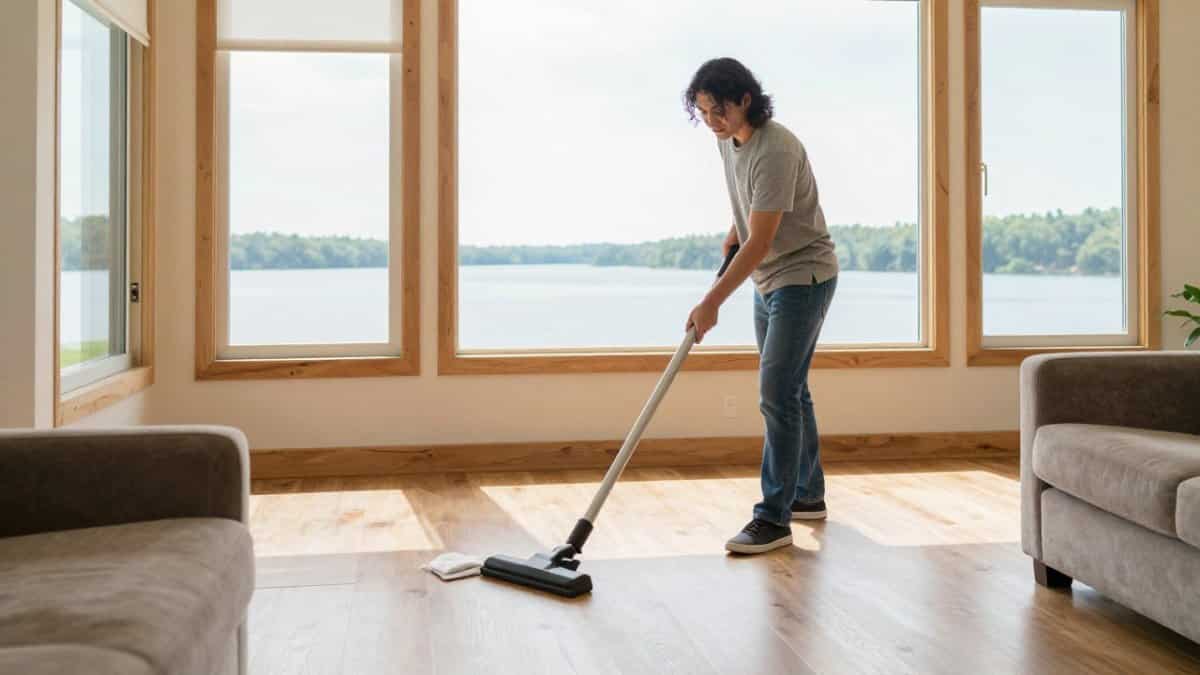
Schedule professional carpet cleaning for the bedroom, living room and any area with pets, with frequency depending on traffic. Our guide to keeping upholstery and family spaces clean through allergy season covers the rest of the year. Ventilate during and after cleaning, keep humidity in the moderate range, and clear clutter where dust collects. Homes near the lakefront often face moisture and seasonal tracking of sand and pollen, so a little extra attention during spring and fall pays off.
Get Help From Lake Geneva Carpet Cleaning for an Asthma-Friendly Home
Steam cleaning can be a valuable part of an asthma-conscious cleaning routine when it is done with attention to drying, solution use and the needs of sensitive household members. Our team at Lake Geneva Carpet Cleaning has been serving Lake Geneva, Twin Lakes, Genoa City, Walworth, Fontana, Darien, Burlington, Elkhorn, Williams Bay, Delavan and East Troy for 32 years, and we use eco-friendly methods designed to remove allergens and odors. Find local upholstery cleaners in Walworth with a proven track record and ways to contact them. Pricing depends on the size and condition of the job, so contact us for a free quote.
Frequently Asked Questions
Is steam cleaning good for people with asthma?
Steam cleaning can help some people with asthma by removing dust mites, pet dander, and pollen from carpets and upholstery without relying on harsh chemical cleaners. However, the benefit is not guaranteed for everyone. Heat and moisture can sometimes irritate sensitive airways, and damp carpet can encourage mold if it does not dry quickly. Anyone with asthma should talk with their doctor before changing their cleaning routine.
Does steam cleaning remove dust mites from carpets?
Hot water extraction can reduce dust mite allergens in carpet fibers and padding, but it does not eliminate them completely. Dust mites live in the carpet and can return over time, so steam cleaning works best as part of a regular routine. Pairing it with frequent vacuuming using a HEPA-filtered vacuum and keeping indoor humidity moderate helps control dust mite populations over the long term.
Can steam cleaning make asthma worse?
It can, in some situations. Heat and steam may irritate airways for some people, and leftover moisture can promote mold and bacteria if carpets stay damp. To reduce risk, ventilate the room well, keep the area vacated until it is dry, and avoid steam cleaning when a flare-up is active. If symptoms increase after cleaning, leave the area and contact your healthcare provider.
How often should carpets be cleaned if someone in the home has asthma?
Many households find that professional carpet cleaning helps, with more frequent cleaning often suited to homes with pets, heavy foot traffic, or ongoing allergy symptoms. Between professional cleanings, vacuum frequently and address spills and pet accidents quickly. The right schedule depends on your household, so scheduling details are best discussed directly with Lake Geneva Carpet Cleaning.