
Table of Contents
- How Carpet Traps Allergens and Irritants
- Carpet Allergy Symptoms You Should Recognize
- New Carpet Allergy Symptoms and VOCs
- Is Your Carpet the Culprit? A Symptom-and-Location Checklist
- How to Reduce Allergens in Carpet
- Professional Carpet Cleaning for Allergies
- When to Seek Medical Care
- Carpet Cleaning Trade-Offs and Safe Practices
- Next Steps: Protect Your Indoor Air Quality
- Frequently Asked Questions
Last Updated: October 17, 2026
How Carpet Traps Allergens and Irritants
Your carpet is a magnet for particles that trigger allergies, and recognizing the signs your carpet is causing allergy symptoms is the first step toward relief. Dust, pet dander, pollen, and mold spores settle deep into carpet fibers and the padding underneath. Once embedded, these allergens accumulate over time and become harder to remove with basic vacuuming.
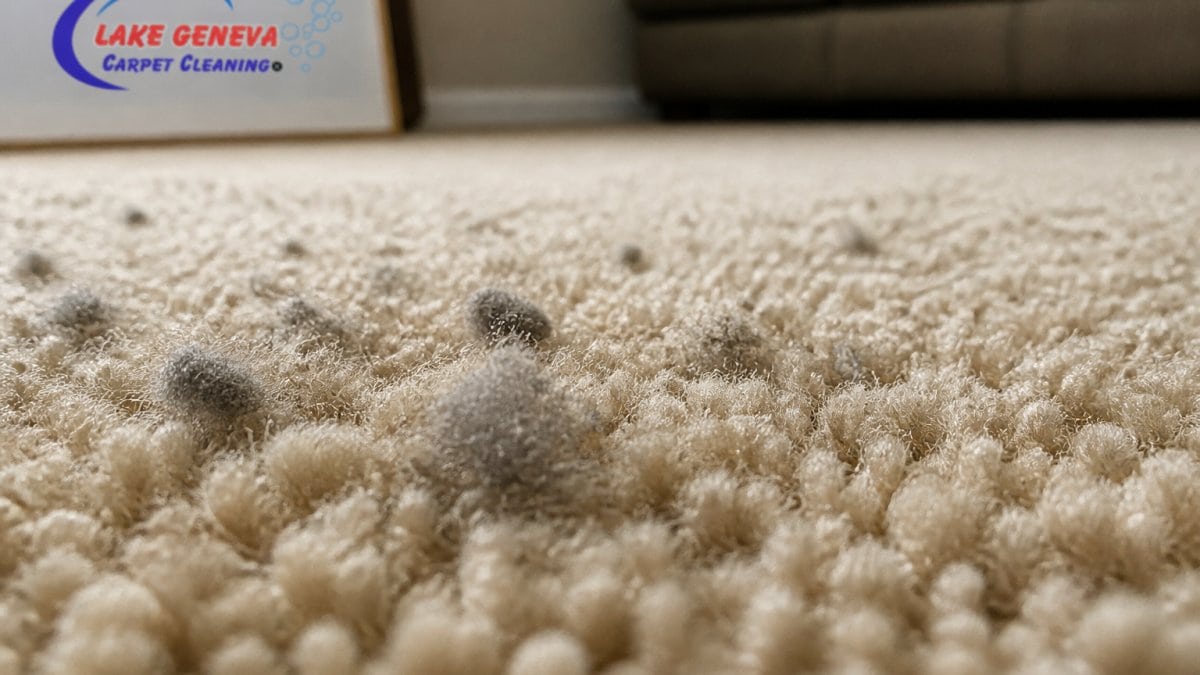
The structure of carpet makes it a perfect trap. Unlike hard flooring, carpet has thousands of tiny fibers that create spaces where particles hide. Air currents from walking and normal household activity stir these particles back up into the air you breathe.
Dust mites and their role in indoor allergies
Dust mites thrive in carpet. These microscopic creatures feed on dead skin cells that accumulate in carpet fibers. When dust mites die, their bodies and droppings become airborne allergens.
Dust mite allergens are a major trigger for indoor allergies. Many people with allergies find that their symptoms worsen in rooms with wall-to-wall carpet. The warm, humid environment of carpet provides ideal living conditions for these creatures.
Controlling dust mites means reducing their habitat. Regular vacuuming helps, but it only removes surface dust. Deep cleaning reaches the particles embedded in carpet padding where dust mites live and breed.
Pet dander, pollen, and embedded particles
Pet dander clings to carpet fibers easily. If you have dogs or cats, their skin cells and fur particles become part of your carpet within days. These allergens stick to carpet and resist normal cleaning methods.
Pollen also embeds itself in carpet. When you walk in from outside, pollen on your clothing and shoes transfers to your flooring. Over time, pollen builds up and creates a constant allergen source inside your home.
Other particles trapped in carpet include:
- Cockroach allergens and droppings
- Mold spores from moisture
- Bacteria and germs
- Textile fibers breaking down from wear
Mold and moisture in carpet
Moisture is the enemy of clean carpet. Spills, humidity, and even normal condensation can create damp conditions in carpet and padding. Mold grows quickly in these wet environments.
Mold in carpet releases spores into the air. These spores trigger allergies and respiratory problems. If your carpet feels damp or smells musty, mold may be present in the padding beneath the surface.
Basements and areas near windows are especially prone to moisture problems. In the Lake Geneva area, seasonal humidity and temperature changes create conditions where mold develops easily in carpet. Once mold starts growing, it spreads rapidly through padding and backing.
Carpet Allergy Symptoms You Should Recognize
The signs your carpet is causing allergy symptoms show up in specific ways. If you notice symptoms that appear or worsen in carpeted rooms, your carpet may be the culprit.
Respiratory and airway symptoms
Sneezing and nasal congestion often increase when you’re around carpet. Many people find they sneeze more when walking on carpet or sitting on carpeted floors. This happens because walking stirs up dust and allergens.
Coughing and wheezing can develop from breathing in carpet allergens. These airway symptoms may worsen at night if your bedroom has carpet. You might notice you cough more when vacuuming or after spending time in heavily carpeted areas.
Stuffy nose and difficulty breathing are common signs. Some people describe feeling like they can’t get enough air when surrounded by carpet. These symptoms typically improve when they leave the carpeted room.
Watch for these respiratory patterns:
- Sneezing fits that start soon after entering a carpeted room
- Coughing that improves when you leave the area
- Wheezing or shortness of breath during or after vacuuming
- Congestion that clears when you spend time on hard flooring
Eye, skin, and systemic symptoms
Itchy eyes and watery eyes often accompany carpet allergies. Your eyes may feel irritated or scratchy when you’re in carpeted spaces. Some people experience redness around the eyes.
Itching on skin can develop from carpet allergens. You might notice itching on your legs or arms after sitting on carpet. A rash may appear in areas that contact carpet directly.
Headaches and fatigue sometimes result from breathing in carpet allergens. These systemic symptoms may feel vague at first. You might feel tired without understanding why, or experience headaches that improve when you leave the carpeted area.
New Carpet Allergy Symptoms and VOCs
New carpet releases chemicals called volatile organic compounds (VOCs). These emissions cause symptoms different from traditional carpet allergens.
New carpet smell comes from these chemical emissions. The odor is strongest in the first few days after installation. Some people experience headaches, dizziness, or throat irritation from these fumes.
VOC symptoms typically appear within hours of exposure. They include:
- Headache and dizziness
- Sore throat and coughing
- Eye irritation
- Nausea
These symptoms usually fade within a few days as the carpet off-gases. However, some people remain sensitive to the chemicals longer. Ventilation helps reduce VOC buildup in your home.
The difference between VOC reactions and allergen reactions matters. VOC symptoms appear quickly and fade as the carpet ages. Allergen symptoms persist and often worsen over months as dust and particles accumulate.
Is Your Carpet the Culprit? A Symptom-and-Location Checklist
Determining whether carpet is contributing to your symptoms requires structured observation, not guesswork. Allergies are diagnosed by a clinician, but the patterns you notice at home can help you and your doctor narrow down likely triggers. Use the checklist and elimination test below to gather useful evidence over one to two weeks.
Build a simple symptom log
Track four things every day: symptom type, severity (mild, moderate, severe), the room you were in, and the time of day. Note whether symptoms improved within 30 to 60 minutes of leaving a carpeted space. A paper notebook or a notes app works fine; consistency matters more than format.
Symptom | Typical carpeted location | Timing pattern to watch | What improvement looks like |
|---|---|---|---|
Sneezing | Bedroom with wall-to-wall carpet | Worse in the morning after sleeping | Fewer sneezes within 30 minutes of leaving the room |
Nasal congestion | Living room or family room | Worse in the evening after sitting on carpet | Congestion eases after 1 to 2 hours on hard flooring |
Itchy or watery eyes | Carpeted office or den | Worse during focused desk time | Eyes calm when you move to a non-carpeted area |
Coughing | Basement or room with damp carpet | Starts soon after entering | Cough subsides within minutes of leaving |
Skin itching | Areas where bare skin contacts carpet | Worse after sitting or lying on carpet | Itching fades after changing rooms or clothing |
Headache or fatigue | Carpeted bedroom or home office | Builds over hours in the room | Improves after time away from the space |
Run a one-week elimination test
A short, safe comparison can reveal whether carpet is a likely contributor. This is not a medical test and cannot diagnose an allergy, but it can surface patterns worth discussing with a clinician.
- Pick a baseline week. Spend normal time in your usual rooms and log symptoms without changing anything.
- Choose one carpeted room to avoid. A bedroom is often the most informative because you spend seven to eight hours there.
- Sleep and spend waking time on hard flooring or in a non-carpeted room for five to seven nights, if your household allows it.
- Keep other variables steady. Don’t change bedding, pets, cleaning products, or HVAC settings during the test, or you won’t know what caused any change.
- Compare logs side by side. Look for consistent differences in severity or timing, not one good or bad day.
- Reverse the test if possible. Return to the carpeted room for a few nights and see whether symptoms return. A pattern that flips with exposure is more convincing than a single change.
Read the patterns carefully
A few clues point toward carpet as a contributor:
- Symptoms are consistently worse in carpeted rooms and better on hard flooring.
- Symptoms flare during or right after vacuuming, when particles are stirred up.
- Morning congestion is worst in a carpeted bedroom and eases after you leave.
- Symptoms track with seasonal pollen or with damp weather that affects indoor humidity.
- A musty odor or visible dampness in the carpet coincides with symptom flares.
A few clues point elsewhere:
- Symptoms are the same in every room regardless of flooring.
- Symptoms track with outdoor pollen counts more than with indoor rooms.
- Symptoms began right after new carpet, furniture, or paint, which suggests chemical emissions rather than embedded allergens.
- Symptoms persist after thorough cleaning and humidity control.
Local conditions in Lake Geneva and southeastern Wisconsin
Southeastern Wisconsin’s seasons shape how carpet behaves as an allergen reservoir. Spring pollen rides in on shoes and clothing and settles into fibers. Summer humidity and afternoon thunderstorms raise indoor moisture, which favors dust mites and mold in carpet and padding. Winter means more time indoors with windows closed, so accumulated dust and dander have more opportunity to affect you. Snow, slush, and road salt get tracked in and add moisture that can linger in entryway carpet. Homes near Geneva Lake and other local waterways may see higher seasonal humidity, which makes dehumidification and prompt drying especially important.
How to Reduce Allergens in Carpet
You don’t have to remove your carpet to reduce allergen buildup. Several strategies lower the allergen levels and improve your indoor air quality.
Vacuuming and ventilation strategies
Vacuum carpeted areas at least twice per week. More frequent vacuuming removes dust and particles before they accumulate. Use a vacuum with HEPA filtration to capture small particles.
Vacuuming technique matters. Move slowly over carpet to allow the vacuum to extract particles effectively. Go over high-traffic areas multiple times. Pay special attention to areas where you sit or sleep.
Ventilation reduces airborne allergens. Open windows regularly to bring in fresh air. Run exhaust fans in bathrooms and kitchens. Use air purifiers with HEPA filters in bedrooms and main living areas.
Control humidity to prevent mold. Keep indoor humidity between 30 and 50 percent. Use a dehumidifier in damp areas like basements. Fix water leaks immediately to prevent moisture accumulation in carpet.
When vacuuming alone isn’t enough
Regular vacuuming removes surface dust, but allergens embed deeper in carpet fibers and padding. Over time, embedded particles accumulate beyond what vacuuming can reach.
Professional deep cleaning removes allergens that vacuuming misses. Hot water extraction reaches carpet padding and pulls out dust, dust mites, pet dander, and mold spores. This process is far more effective than surface cleaning.
Deep cleaning becomes necessary when:
- Symptoms worsen despite frequent vacuuming
- Carpet smells musty or damp
- Visible stains or discoloration appear
- Carpet feels sticky or damp to the touch
- You have pets and notice persistent odors
Many people find that professional cleaning provides relief. After deep cleaning, allergen levels drop significantly, and symptoms often improve noticeably.
Professional Carpet Cleaning for Allergies
Professional carpet cleaning uses methods that remove embedded allergens effectively. The most thorough approach uses hot water extraction technology.
Hot water extraction forces hot water deep into carpet fibers and padding. The water dissolves dirt, allergens, and debris. A powerful vacuum then extracts the water and contaminants. This process removes particles that regular vacuuming cannot reach.
This method is particularly effective for:
- Dust mites and their allergens
- Pet dander and odors
- Mold spores and moisture
- Pollen and outdoor particles
- Bacteria and germs
The cleaning process also addresses moisture problems. Proper extraction removes excess water, reducing the risk of mold regrowth. Fast drying prevents new mold from developing in cleaned carpet.
At Lake Geneva Carpet Cleaning, our team uses state-of-the-art truck-mounted hot water extraction equipment. This advanced technology reaches deep into carpet padding to eliminate allergens and improve your indoor air quality. We understand that clean carpet means healthier living spaces, especially for families dealing with allergies.
Many homeowners report significant symptom improvement after professional cleaning. Relief often lasts for weeks. Regular professional cleaning maintains allergen control and extends carpet life.
Schedule professional cleaning before allergy season peaks. Spring cleaning removes winter dust and pollen before symptoms worsen. Fall cleaning clears accumulated summer particles.
When to Seek Medical Care
Home observation can point you in the right direction, but allergies and asthma are medical conditions that benefit from professional evaluation. Knowing when to call your doctor, when to seek urgent care, and what to bring to an appointment helps you get useful answers faster.
Red flags that need prompt attention
Call 911 or go to an emergency department if you or someone in your household experiences:
- Difficulty breathing, shortness of breath at rest, or wheezing that doesn’t improve
- Swelling of the face, lips, tongue, or throat
- Chest tightness or pain
- Dizziness, fainting, or confusion
- A severe reaction that comes on quickly after exposure to a trigger
Contact your healthcare provider promptly, rather than waiting for a routine visit, if you notice:
- Symptoms that keep getting worse despite cleaning and humidity control
- A cough that lasts more than a few weeks or produces discolored mucus
- Wheezing that is new or that recurs
- Frequent sinus infections or ear pressure
- Symptoms that interfere with sleep, work, or school
- A musty odor at home combined with new respiratory symptoms, which can point to a moisture or mold problem
Routine allergy care
For mild to moderate symptoms that follow a clear pattern, a primary care provider or allergist can help. A typical visit includes a history of your symptoms, questions about your home environment, and possibly allergy testing to identify sensitivities to dust mites, pet dander, mold, or pollen. Bring your symptom log, notes on which rooms worsen symptoms, and a list of any cleaning products or home changes you’ve tried.
Common medical options a clinician may discuss include antihistamines, nasal corticosteroid sprays, decongestants for short-term use, and immunotherapy for some patients. Follow the clinician’s guidance rather than self-treating long term, especially if you have asthma or other chronic conditions.
Coordinate cleaning with your care plan
If a clinician identifies dust mites, pet dander, or mold as likely triggers, cleaning and home changes become part of the treatment plan rather than a replacement for it. Ask whether any cleaning products or methods should be avoided given your sensitivities, and whether damp carpet or a musty room should be addressed before further cleaning. If symptoms flare during or after cleaning, note it in your log and mention it at your next visit.
Allergy symptoms and asthma symptoms can overlap. New or worsening wheezing, chest tightness, or shortness of breath should be evaluated by a healthcare professional rather than managed only with home cleaning.
When cleaning alone isn’t enough
If symptoms persist after consistent vacuuming, humidity control, and a professional deep cleaning, the next step is a medical evaluation rather than repeated cleaning. A clinician can help determine whether carpet is one of several contributors, whether another indoor source such as bedding or upholstered furniture is involved, and whether medication or environmental changes are appropriate.
Carpet Cleaning Trade-Offs and Safe Practices
Professional carpet cleaning is effective, but understanding the process helps you prepare.
Wet carpet takes time to dry. Modern extraction equipment removes most water, but carpet remains damp for several hours. Air circulation speeds drying. Open windows and run fans to help carpet dry faster. Avoid walking on wet carpet when possible.
Cleaning solutions matter for safety. Ask about the products used during cleaning. Eco-friendly cleaning methods are available and effective. These approaches protect your family and pets from harsh chemical exposure.
After cleaning, some people experience temporary symptom changes. As allergens are removed, some allergens may briefly become airborne during the extraction process. Symptoms usually improve significantly within 24 hours as the carpet dries completely.
Prevent re-contamination after professional cleaning:
- Vacuum regularly to maintain results
- Address moisture problems promptly
- Control humidity to prevent mold regrowth
- Clean or replace HVAC filters monthly
- Use doormats to reduce outdoor particles
Professional cleaning is not a permanent solution. Allergens return over time as dust, dander, and pollen accumulate again. Regular cleaning schedules maintain lower allergen levels and reduce symptoms year-round.
Next Steps: Protect Your Indoor Air Quality
Understanding how carpet contributes to allergies helps you to take action. Start by observing your symptoms and identifying patterns. Track when and where symptoms appear.
If carpet allergens are the problem, you have several options. Regular vacuuming with HEPA filtration helps. Improved ventilation and humidity control reduce allergen buildup. Professional deep cleaning removes embedded allergens that vacuuming cannot reach.
For residents in Lake Geneva and the surrounding area, professional carpet cleaning offers significant relief from allergy symptoms. Lake Geneva Carpet Cleaning specializes in removing dust mites, pet dander, mold spores, and other allergens that accumulate in carpet. Our eco-friendly hot water extraction method reaches deep into carpet padding to eliminate allergens and improve your indoor air quality.
If you’re struggling with allergy symptoms and suspect your carpet is involved, contact Lake Geneva Carpet Cleaning for a free quote. Our team will assess your carpet and recommend the best cleaning approach for your situation. With over 32 years of experience serving Wisconsin homeowners, we understand the connection between clean carpet and healthier living spaces. Discover the difference that comes from entrusting your carpets to true experts. Embrace their promise: “Hire the best, forget the rest!” and experience the unparalleled service that has kept them at the forefront of the carpet cleaning industry for decades.
Frequently Asked Questions
How can I tell if my carpet is making me sick?
Watch for symptoms that worsen when you’re in carpeted rooms and improve when you leave. Common signs include sneezing, itchy eyes, nasal congestion, coughing, or wheezing that appear or intensify indoors. Keep a symptom diary noting when and where you feel worse. If symptoms improve on days you’re away from home or in rooms with hard flooring, your carpet may be the trigger. Dust mites, pet dander, pollen, and mold trapped in carpet fibers are frequent culprits. A medical professional can confirm allergies through testing.
Can professional carpet cleaning help reduce allergens?
Yes. Professional carpet cleaning uses hot water extraction and deep cleaning methods that remove embedded allergens, dust mites, pet dander, and mold spores from carpet fibers and padding far more effectively than vacuuming alone. This process can significantly improve indoor air quality and reduce allergy symptoms. Results typically last several months, depending on your environment and foot traffic. Regular professional cleaning combined with frequent vacuuming and proper ventilation provides the best long-term allergen control.
How long do new carpet allergy symptoms last?
New carpet allergy symptoms from volatile organic compounds (VOCs) typically peak within the first 48 to 72 hours and often fade within 1 to 2 weeks as the carpet off-gasses. However, the timeline varies based on carpet type, ventilation, and individual sensitivity. Opening windows, using fans, and maintaining good air circulation speeds up the process. If symptoms persist beyond two weeks, the issue may be dust mites or other allergens accumulating in the new carpet rather than VOC emissions.
What are the first signs of dust mite exposure in carpet?
Early signs include morning sneezing, itchy or watery eyes upon waking, and nasal congestion that’s worse in the bedroom. Dust mites thrive in warm, humid carpet environments and their droppings trigger allergic reactions. You may notice symptoms worsen during humid months or in rooms where you spend extended time on carpeted floors. Some people develop a persistent cough or mild wheezing. If you suspect dust mites, reducing carpet humidity and professional cleaning can help eliminate the population and reduce symptoms.
Carpet allergens are treatable. Professional cleaning removes embedded particles that vacuuming misses, often providing relief that lasts for months. If home strategies aren’t enough, Lake Geneva Carpet Cleaning’s advanced hot water extraction technology targets dust mites, pet dander, and mold spores deep in your carpet. Contact us today for a free quote and discover how cleaner carpet can transform your indoor air quality.