Last Updated: November 21, 2026
Quick Summary
Professional rug restoration in Lake Geneva WI means stabilizing, cleaning, and repairing a compromised textile so it keeps its structure and value, not just its appearance. If your rug has color bleeding, fringe loss, foundation damage, or water exposure over 48 hours, it needs restoration rather than routine cleaning.
- Cleaning removes soil, while restoration adds repair, stabilization, and preservation for compromised rugs.
- Wool, silk, and synthetic rugs each fail differently, so we sort every rug by fiber before cleaning.
- Mold can begin colonizing a damp rug within one to two days in a humid space.
- Odors live in the padding and backing, so surface sprays only mask them for a few weeks.
- Ask providers about their drying process, since damp backing is where mold and foundation rot begin.
Table of Contents
- Professional Rug Restoration in Lake Geneva WI: What It Actually Means
- Area Rug Cleaning Lake Geneva WI Homeowners Can Trust
- Water-Damaged Rug Restoration: Why the First 48 Hours Matter
- Rug Odor Removal That Reaches the Padding, Not Just the Surface
- What Professional Rug Restoration in Lake Geneva WI Reviews Reveal
- DIY Rug Care Risks: What Store-Bought Spot Cleaners Can Do to Natural Fibers
- How to Choose a Rug Restoration Service in Lake Geneva, WI
- Book Your Rug Evaluation in Lake Geneva, Twin Lakes, and Surrounding Towns
- Frequently Asked Questions
Professional Rug Restoration in Lake Geneva WI: What It Actually Means
Professional rug restoration in Lake Geneva WI is the process of stabilizing, cleaning, and repairing a textile so it keeps its structure and value, not just its appearance. At Lake Geneva Carpet Cleaning, we have handled rugs across this lakeside region for 32 years, and we can tell you the difference matters. Most homeowners call us after a rug has already been through a store-bought spot cleaner, a rental machine, or a basement flood. By then the problem is rarely surface dirt.
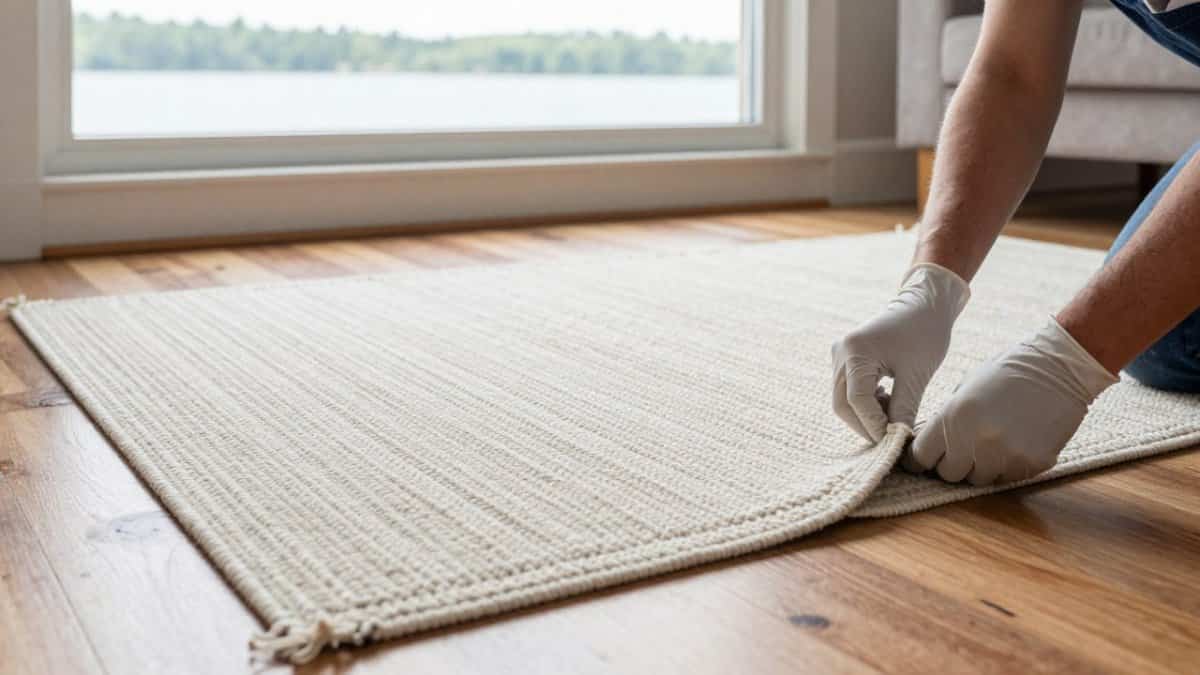
Restoration starts with an assessment. We look at fiber type, dye stability, knot density, backing condition, and whether the damage is soil, moisture, or structural. A rug that has lost its fringe needs different work than one with pet contamination in the padding. Treating them the same is how rugs get ruined.
Below, we break down where restoration separates from routine cleaning, what each material needs, and how to vet anyone you let touch a valuable textile. For a closer look at the baseline service, read our companion piece on professional rug cleaning for Lake Geneva owners.
Restoration vs. Cleaning: Where the Line Falls
Cleaning removes soil. Restoration is the broader term for cleaning plus repair, stabilization, and preservation of a textile that has been compromised. A rug with color bleeding, dry rot in the foundation, or a torn selvage is past cleaning.
Here is how the two compare in practice:
| Situation | Routine Cleaning | Restoration Needed |
|---|---|---|
| Surface soil, light traffic | Yes | No |
| Pet accidents soaked into padding | Sometimes | Usually |
| Color bleeding or dye transfer | No | Yes |
| Fringe loss or edge unraveling | No | Yes |
| Water exposure over 48 hours | No | Yes |
| Crushed pile on a wool rug | Sometimes | Usually |
The practical takeaway: if the rug’s structure is sound and the problem is soil, you need cleaning. If the fiber, dye, or foundation is compromised, you need restoration. Getting that call wrong in either direction wastes effort.
Area Rug Cleaning Lake Geneva WI Homeowners Can Trust
Area rug cleaning in Lake Geneva WI starts with knowing what the rug is made of before any solution touches it. Wool, silk, and synthetic fibers react differently to water temperature, pH, and agitation. A method that rescues a synthetic carpet can shrink a wool rug or dull a silk one, and the damage often does not show until the rug is dry.
We sort every rug by fiber and construction before cleaning. Hand-knotted rugs get gentler agitation and controlled drying. Machine-woven synthetics tolerate more moisture and stronger soil extraction. Fringe gets separate attention because it is usually cotton or wool and takes on water differently than the pile.
What separates a careful cleaning from a risky one is the sequence: dry soil removal first, then a fiber-appropriate solution, then controlled extraction, then controlled drying. Skip the dry soil step and the solution turns into mud that drives grit deeper into the foundation. Skip controlled drying and the rug stays damp in the backing long after the surface feels dry.
Watch out: the most common mistake we see is a homeowner testing a spot cleaner on a hidden corner, seeing no immediate damage, and then treating the whole rug. Dye instability and fiber damage often show up hours later, after the rug dries.
Material-Specific Handling: Wool, Silk, and Synthetic Rugs
Most guides treat “natural fiber” as one category. It is not. Wool, silk, and synthetics each fail in a different way, and the cleaning method has to be chosen around that failure mode.
Wool. Wool is a protein fiber with a scaly outer layer. Too much heat, too much agitation, or a swing in pH causes those scales to lock together, that is felting, and it is permanent. Wool also holds soil deep in the pile, so surface cleaning removes the visible dirt and leaves the grit that abrades the fiber every time someone walks on it. The safe approach is moderate temperature, mild pH, low agitation, and a drying stage that pulls moisture out of the backing rather than trapping it against the floor. A wool rug left damp against a hardwood or concrete floor develops odor and, eventually, foundation rot.
Silk. Silk is smoother and finer than wool and far less forgiving. It water-marks easily, loses luster when exposed to alkaline solutions, and can bleed dye with even modest moisture. Silk rugs are usually cleaned with the least water possible, at low temperature, with the pile handled gently and the drying accelerated. A silk rug that looks fine wet can show rings and dull patches once dry, which is why the drying stage is where silk work is won or lost.
Synthetics. Machine-woven synthetic rugs are the most tolerant of moisture and agitation, but they have their own failure mode: residue. Synthetic fibers are smooth, so soil sits on the surface and comes up easily, but cleaning solution left behind attracts new soil, and stains wick back to the surface as the rug dries. The fix is thorough extraction and a rinse step, not a stronger solution.
If you want to understand what a wool rug can safely handle at home before you call anyone, our guide on how to safely clean wool rugs at home walks through the steps and the limits. What most guides miss is that the drying stage matters as much as the washing stage. A rug that is clean but still damp in the foundation is not a finished job.
Why Value Preservation Matters as Much as Appearance
For owners of hand-knotted and antique rugs, cleaning is not really about how the rug looks this month. It is about whether the rug holds its value over the next decade. A wool rug cleaned with the wrong method can look fine on the surface and still lose value through felted pile, faded dye, or a weakened foundation.
That is why we treat restoration and cleaning as two different jobs with two different goals. Cleaning protects appearance and removes soil. Restoration protects structure and value, the fringe, the selvage, the foundation, and the dye. If you own a rug you intend to pass down, the question to ask any provider is not just “can you clean it” but “what will this rug look like in ten years if you do.”
Water-Damaged Rug Restoration: Why the First 48 Hours Matter
Water-damaged rug restoration is a race against mold, and the clock starts the moment the rug gets wet. Mold can begin colonizing a damp textile within one to two days in a humid space, and a rug sitting on a concrete basement floor is an ideal environment for it.
If your rug has been through a flood, a burst pipe, or a leaking appliance, our Lake Geneva carpet cleaning team can assess the damage before mold takes hold. The priorities are extraction, controlled drying, and a sanitizing pass that reaches the backing, not just the surface fibers.
A few things to do right away:
- Lift the rug off the floor so air reaches both sides
- Do not fold or roll a wet rug tightly; that traps moisture in the center
- Avoid heat-drying, which can set stains and shrink natural fibers
- Do not run a household fan directly on a silk or wool rug for hours without checking for distortion
Delayed drying is where rugs get written off. Once the foundation starts to rot, no cleaning method brings it back.
Rug Odor Removal That Reaches the Padding, Not Just the Surface
Rug odor removal only works when the treatment reaches the source of the smell. Odors from pet accidents, spills, and moisture live in the padding and backing, not in the visible pile. Surface sprays mask them for a few weeks, then the smell returns.
That is why so many homeowners tell us the smell “always comes back.” It does, because the contamination was never removed. If you want the science behind permanent odor removal, our guide to carpet odor removal explains why surface treatments fail.
Our approach uses truck-mounted hot water extraction to flush contaminants out of the padding and backing, followed by a sanitizing step. For pet owners in Walworth and Kenosha counties, this is usually the difference between a temporary fix and a rug that smells clean months later.
What Professional Rug Restoration in Lake Geneva WI Reviews Reveal
Professional rug restoration in Lake Geneva WI reviews tend to focus on the same handful of things: whether the rug came back dry, whether the odor stayed gone, and whether the fringe survived. Those are the right questions to ask, but reading reviews well takes a little translation.
Here is how to read a rug restoration review the way an owner would:
- “Came back dry” is a structural compliment, not a convenience one. A rug that is dry on arrival means the provider controlled the drying stage instead of letting the rug sit damp in a van or a warehouse. Damp backing is where mold and foundation rot begin.
- “The smell stayed gone” tells you the contamination was removed from the padding and backing, not masked at the surface. Odor that returns within a few weeks is a sign the treatment never reached the source.
- “The fringe survived” is a restoration signal. Fringe is usually cotton or wool and is the first part of a rug to fray, yellow, or break. A provider who protects the fringe is thinking about structure, not just the pile.
- “They told me what it needed before they started” is the assessment signal. A provider who quotes a method before examining fiber, dye stability, and backing condition is guessing.
- “It looked better than I expected” is the value-preservation signal. That is what a rug owner says when the rug’s structure and color came back, not just its surface.
We have served homeowners here for 32 years, and our reviews reflect what customers actually care about. A recurring theme in what people tell us is relief that the rug was not left soaked for a day or more. Truck-mounted extraction pulls far more moisture out than portable equipment, which shortens drying time and lowers the mold risk in basements and lake homes.
Another pattern: people who had given up on a rug after a failed DIY attempt are often surprised it can still be salvaged. That is not magic. It is a matter of assessing the fiber correctly and using the right method instead of the strongest one.
Watch out: a five-star review that only says “fast and friendly” tells you nothing about rug work. Look for reviews that mention the specific rug, the specific problem, and the condition of the rug when it came back. Those are the reviews that predict how your rug will be handled.
DIY Rug Care Risks: What Store-Bought Spot Cleaners Can Do to Natural Fibers
DIY rug care goes wrong in predictable ways. Store-bought spot cleaners are formulated for general use, not for a specific dye lot or fiber. On natural fibers, the risks stack up fast.
The main dangers:
- Dye bleeding: too much moisture spreads dyes across color boundaries, and the damage is permanent
- Fiber damage: alkaline solutions can strip wool of its natural oils and leave it brittle
- Wicking: residue left in the pile pulls soil back to the surface, so the rug looks dingy again within weeks
- Shrinkage and felting: agitation on wool causes fibers to lock together
- Delamination: water seeping into the backing breaks the bond between pile and foundation
If your rug looks clean for two weeks and then goes dingy again, residue is usually the culprit. That is a cleaning-method problem, not a sign you need to clean more often.
How to Choose a Rug Restoration Service in Lake Geneva, WI
Choosing a rug restoration service comes down to a short list of questions you can ask before anyone touches your rug. Use this checklist:
- Can they explain how they handle wool, silk, and synthetic fibers differently?
- Do they assess the rug before quoting a method, or quote blind?
- Do they use truck-mounted hot water extraction or portable equipment?
- What is their drying process, and how long does a rug stay damp?
- Do they offer pickup and delivery, or do you transport the rug yourself?
- Are they insured, and can they show references or reviews you can check?
- Do they offer a satisfaction guarantee, and what does it cover?
For a fuller breakdown, our guide on what to look for when choosing a carpet cleaner covers the vetting questions in detail. The one thing we would add: ask about the drying stage specifically. It is the step most providers gloss over and the one that decides whether a rug survives the process.
Book Your Rug Evaluation in Lake Geneva, Twin Lakes, and Surrounding Towns
We serve Lake Geneva, Twin Lakes, Genoa City, Walworth, Fontana, Darien, Burlington, Elkhorn, Williams Bay, Delavan, and the East Troy WI area, and we have done it for 32 years as an owner-operated business. If you are searching for professional rug restoration near me, the first step is a straightforward evaluation of what your rug actually needs.
Lake Geneva Carpet Cleaning brings truck-mounted hot water extraction, eco-friendly methods, and a 10-day satisfaction guarantee to every job. We handle area rug cleaning, pet stain and odor removal, upholstery cleaning, and water-damaged rug restoration for homes and local businesses. Pricing depends on the rug, the fiber, and the work required, so reach out for a free quote and we will tell you exactly what we recommend.
Your rug has already been through enough. Let us evaluate it before another DIY attempt makes things worse. Get started with Lake Geneva Carpet Cleaning and get an honest assessment of whether your rug needs cleaning or full restoration.
Frequently Asked Questions
What is the difference between rug cleaning and rug restoration?
Rug cleaning removes soil, spots, and odors from a rug that is otherwise structurally sound. Professional rug restoration goes further: it addresses damage such as fringe loss, edge binding wear, color bleeding, and fiber weakening from water exposure. A restorer assesses the rug’s material and condition first, then decides whether deep cleaning alone will fix it or whether fringe repair, dye correction, or backing work is needed. If your rug is simply dirty, cleaning is enough. If it has tears, brittle fringe, or a musty smell after a leak, you need restoration.
Can a professional cleaner remove odors from an area rug?
Yes, when the odor source is reached rather than masked. Pet accidents, spills, and dampness soak past the surface fibers into the backing and padding, which is why store-bought sprays stop working after a few weeks. Rug odor removal done properly involves reaching the source of the contamination rather than masking it at the surface.
Can water-damaged rugs be restored?
Many can, but timing decides the outcome. Wool and other natural fibers absorb water quickly and can develop color bleeding, mildew, and weakened backing within a couple of days. Water-damaged rug restoration starts with stopping further exposure, keeping the rug flat and supported rather than folded, and getting it evaluated quickly. Rugs left wet for weeks are much harder to save, so call as soon as you notice the damage.
How do I choose a rug restoration service in Lake Geneva, WI?
Ask what the provider does in-house, how they handle material-specific rugs like hand-knotted wool or silk, and whether they serve your town, whether that is Fontana, Williams Bay, Delavan, or East Troy. Request a free quote before you commit.