
Table of Contents
- Identify the Source of Pet Odors
- How to Get Rid of Dog Smell in the House
- How to Remove Cat Urine Odor From Carpet
- How to Deodorize a Dog Bed and Washable Fabrics
- Best Air Purifier for Pet Odors and Air Filtration
- Improve Ventilation and Fresh Air Circulation
- Establish a Pet Odor Maintenance Routine
- When to Call a Professional for Stubborn Pet Odors
- Frequently Asked Questions
Last Updated: October 10, 2026
Identify the Source of Pet Odors
Pet odors linger in homes because they come from multiple sources. Before you tackle the smell, you need to find where it’s hiding and determine whether the odor is airborne or trapped in materials. This guide explains how to remove pet odors from indoor air by starting with the root cause.
Pet accidents, fur, dander, and bedding are the main culprits. Your dog or cat sheds hair constantly. That hair traps moisture and bacteria. Urine accidents soak deep into carpet padding. Even old bedding holds odor molecules long after washing.
Common sources of pet odors include:
- Urine accidents on carpet, tile, or wood floors
- Pet bedding and blankets that haven’t been washed recently
- Fur and dander buildup in corners and under furniture
- Dried saliva on upholstery and cushions
- Litter box areas or spots nearby
- Mold or mildew in damp areas where pets spend time
How to distinguish airborne odor from embedded odor:
Before spending time on air purification, determine whether the smell is coming from the air itself or from contaminated surfaces and materials. This distinction changes your treatment priority.
Airborne odor is strongest when you first enter a room after it’s been closed. It fades quickly when you open windows. Airborne odor comes from pet dander, fur particles, and volatile compounds released from litter boxes or recent accidents. If the smell disappears within 15 minutes of opening windows, the problem is primarily airborne.
Embedded odor persists even with windows open. It comes from urine soaked into carpet padding, accidents in hidden spots, or contaminated bedding. Embedded odor returns after ventilation stops. If the smell lingers after 30 minutes of open windows, the source is likely trapped in materials, not floating in the air.
How to locate hidden odor spots:
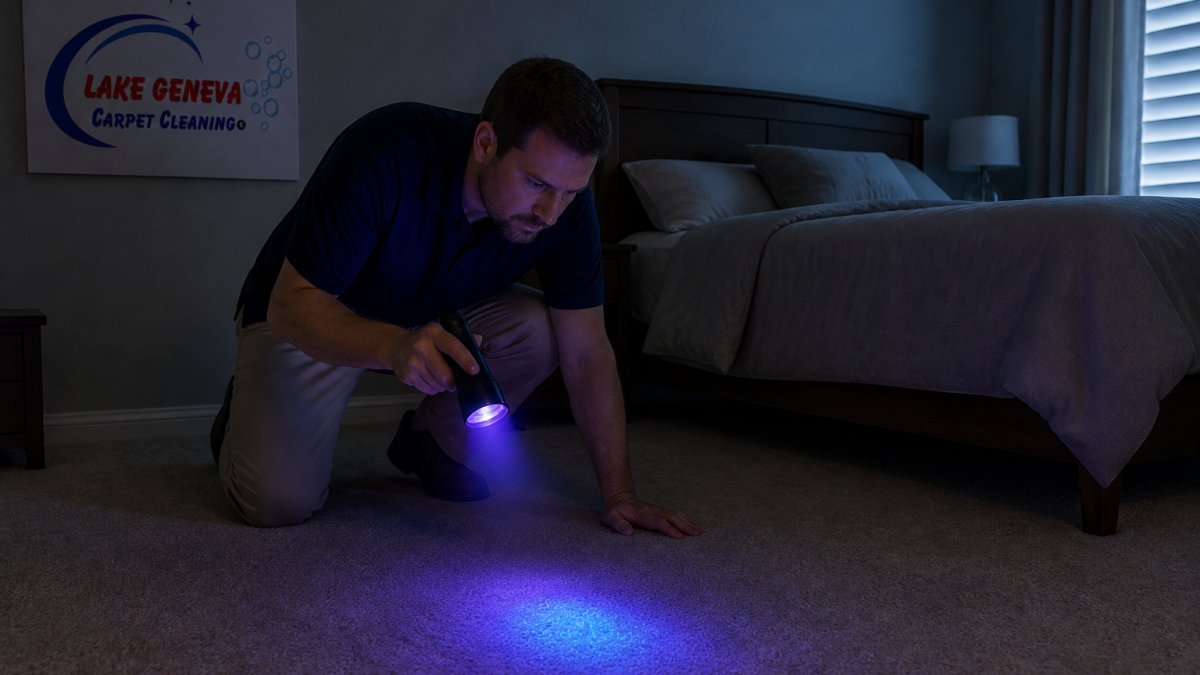
Start by walking through each room slowly. Your nose will pick up strong areas. Mark those spots with tape or a note. For older accidents, use a blacklight or UV flashlight in a dark room. Pet urine glows under UV light. This shows you exactly where accidents happened, even if the stain isn’t visible.
Check under furniture and in corners. Pets often have favorite spots. Odors concentrate where air doesn’t move. Pay special attention to:
- Corners of bedrooms and closets
- Under beds and couches
- Behind doors
- Baseboards and wall edges
- Areas near litter boxes
Once you’ve found the sources, you can address each one directly. If you find embedded odor sources (carpet accidents, soaked bedding), prioritize cleaning those materials first. If the odor is primarily airborne, air purification and ventilation become your main tools.
Pet accidents often happen in the same spots repeatedly. If you find one accident, check nearby areas carefully, your pet likely returned to that location multiple times. This is especially true for cats, which may use the same spot in litter box areas even after cleaning.
How to Get Rid of Dog Smell in the House
Dog smell builds up from fur, skin oils, and accidents. The most effective approach combines vacuuming and deep cleaning. Regular maintenance prevents odors from returning.
Vacuuming floors and pet-favorite surfaces:
Vacuum every day if you have a dog. Pet hair traps odor molecules. Daily vacuuming removes hair before it breaks down. Focus on these high-traffic areas:
- Hallways and entryways where your dog walks
- Bedrooms where your dog sleeps
- Living rooms and furniture areas
- Corners where hair accumulates
- Under furniture and along baseboards
Use a vacuum with strong suction. Lightweight vacuums miss embedded hair. Vacuum slowly to let the machine pull hair from carpet fibers. Go over each area twice. The second pass picks up hair the first pass missed.
Deep-cleaning carpets and upholstery:
Surface vacuuming removes loose hair, but odors stay trapped in carpet padding. Deep cleaning reaches those embedded odors. Hot water extraction pulls dirt, bacteria, and odor molecules from deep within carpet fibers and padding.
Deep cleaning works better than rental machines or store-bought spot cleaners. The equipment is more powerful. Technicians know how to treat different carpet types. The water temperature and pressure reach deeper than home equipment can.
Deep cleaning removes odors that vacuuming alone cannot reach. This is the most effective way to eliminate dog smell permanently from carpet.
How to Remove Cat Urine Odor From Carpet
Cat urine smells stronger than dog urine. It contains compounds that linger for months. Standard cleaning often fails because the urine soaks through carpet into the padding below.
Why cat urine requires specialized treatment:
Cat urine crystals bond to carpet fibers and padding. Regular water doesn’t break these bonds. Enzymes help, but they work slowly. The smell returns when humidity increases because urine crystals reactivate.
To fully remove cat urine, it’s often necessary to reach the padding where most of the urine sits. Hot water extraction at high temperatures can help break down urine crystals, and the extraction process pulls liquid and dissolved crystals from the carpet and padding.
Step-by-step removal process:
Locate the spot. Use a blacklight to find all urine spots, not just the obvious ones. Mark each one clearly.
Pre-treat the area. Apply an enzyme treatment to the spot. Let it sit for 24 hours. Enzymes begin breaking down urine compounds.
Extract with hot water. Hot water extraction applies heated water and pulls it back out with strong suction. This removes the pre-treated urine and dissolved crystals.
Extract again if needed. For old or severe spots, repeat the extraction process. Multiple passes remove more odor.
Allow to dry completely. Wet carpet can develop mold. Use fans and open windows to speed drying.
Check the spot. After drying, smell the area. If odor remains, repeat steps 2-5.
Incomplete drying leads to mold growth and new odors. Always ensure carpet is fully dry before closing windows or turning off fans.
How to Deodorize a Dog Bed and Washable Fabrics
Dog bedding absorbs sweat, oils, and urine. Washing removes most odors, but proper technique matters.
Laundering pet bedding and fabric surfaces:
Wash dog beds weekly if your dog sleeps on them regularly. Use hot water if the fabric allows. Hot water kills bacteria that cause odors. Add an extra rinse cycle to remove all detergent residue.
For items that can’t go in the washer, spot-clean them with hot water and a cloth. Wring out excess water and let them air dry in sunlight. UV light kills odor-causing bacteria.
Wash other pet fabrics regularly:
- Blankets your pet uses
- Couch cushion covers
- Pet clothing or sweaters
- Rugs in pet areas
Using baking soda and vinegar for odor control:
Baking soda neutralizes odors. Sprinkle it on bedding, let it sit for 30 minutes, then vacuum thoroughly. For stronger odors, mix baking soda with a few drops of essential oil before sprinkling.
Vinegar breaks down odor molecules. Spray diluted white vinegar (one part vinegar to three parts water) on fabric surfaces. Let it dry completely. The vinegar smell fades as it dries, taking pet odors with it. Never use vinegar on delicate fabrics without testing a hidden area first.
Combine baking soda and vinegar for stubborn odors: sprinkle baking soda first, spray vinegar over it, let it sit for one hour, then vacuum. This two-step approach tackles odors from multiple angles.
Best Air Purifier for Pet Odors and Air Filtration
Air purifiers remove airborne pet odor molecules and dander. They work alongside cleaning, not instead of it. A good air purifier captures particles your vacuum misses and neutralizes odor compounds before they settle on surfaces.
How activated carbon filters work against odor molecules:
Activated carbon has a porous structure that traps odor molecules. When air passes through the filter, odor molecules stick to the carbon surface through a process called adsorption. HEPA filters catch pet hair and dander particles. Together, these two filter types remove most pet-related air pollutants.
Look for air purifiers with both HEPA and activated carbon filters. Single-filter units miss either particles or odors. The activated carbon layer should be at least 0.5 inches thick for effective odor removal. Thinner carbon layers saturate quickly and lose effectiveness.
Choosing the right air purifier for your room size:
Air purifiers have a coverage area. Check the square footage the unit can clean. A bedroom air purifier won’t work in a large living room. For a home in the Lake Geneva area, consider:
- Small rooms (100-200 sq ft): compact desktop models
- Medium rooms (200-400 sq ft): standard tower units
- Large rooms (400+ sq ft): powerful floor models or multiple units
Check the Clean Air Delivery Rate (CADR) for odors, not just particle CADR. CADR measures how many cubic feet of clean air the purifier delivers per minute.
Also check the air changes per hour (ACH) rating. This tells you how many times the purifier cycles the entire room’s air per hour.
Filter replacement and maintenance:
Activated carbon filters saturate over time and lose their ability to trap odors. In a home with pets, replace the activated carbon filter every 3-6 months, depending on the unit’s capacity and how heavily you use it. HEPA filters last longer, typically 6-12 months, but should be checked monthly for visible pet hair buildup.
Set a calendar reminder for filter replacement. A clogged filter reduces airflow and effectiveness. Some air purifiers have filter-life indicators that alert you when replacement is due. Replacing filters on schedule is the single most important factor in maintaining odor-removal performance.
Pet-safe operation and avoiding harmful devices:
Not all air-treatment devices are safe for pets. Avoid ozone-generating air purifiers. Ozone can irritate your pet’s respiratory system and cause long-term lung damage. The U.S. Environmental Protection Agency (EPA) does not recommend ozone generators for indoor air treatment in occupied spaces.
Avoid essential oil diffusers and fragrance-based air fresheners in homes with pets. Many essential oils are toxic to cats and dogs. Cats are especially sensitive to oils like tea tree, eucalyptus, and peppermint. If you use any fragrance product, ensure it is pet-safe and use it only in rooms where pets do not spend time.
Stick with HEPA and activated carbon filtration. These methods remove odors without creating harmful byproducts or toxic fumes.
Placement and operation for best results:
Place the air purifier where air flows freely. Near a corner or blocked by furniture reduces effectiveness. Central locations work best. In a living room, place it away from walls. In a bedroom, a corner location works if the unit can draw air from the room center.
Run the purifier continuously during the day when pets are most active. Many people run it 24/7 for best results. If you run it only a few hours per day, odors accumulate during off hours. Continuous operation is more effective than intermittent use.
For homes in the Lake Geneva area, run the air purifier year-round. Winter heating dries indoor air and increases dander circulation. Summer humidity can activate odor molecules in carpet and upholstery. Continuous air purification helps manage both seasonal challenges.
Air purifiers work best when paired with source removal (cleaning carpets and bedding) and ventilation. An air purifier alone cannot eliminate odors trapped in materials, it only removes airborne particles. Use it as part of a complete odor-control strategy.
Improve Ventilation and Fresh Air Circulation
Fresh air removes odor molecules from your home. Stale indoor air traps and concentrates pet smells.
Airing out rooms and opening windows:
Open windows daily when weather allows. Even 15 minutes of fresh air helps. Cross-ventilation works best: open windows on opposite sides of a room. This creates air flow that pushes stale air out.
For homes in the Lake Geneva area, spring and fall offer ideal conditions for opening windows. Summer heat and winter cold make this less practical, but even brief window opening helps.
Close windows when air quality outside is poor. High pollen days or heavy traffic periods mean outdoor air may bring more pollutants than it removes.
Managing humidity and seasonal indoor air challenges:
High humidity makes pet odors stronger. Moisture activates odor molecules. Use a dehumidifier in damp areas. Basements and bathrooms often trap moisture.
Winter heating dries indoor air, which can increase dust and dander circulation. Run a humidifier if indoor humidity drops below 30 percent. Balance is important: aim for 30-50 percent humidity.
In the Lake Geneva region, winter months bring dry indoor air from heating systems. Spring and fall bring humidity from outdoor moisture. Adjust your approach seasonally. Monitor humidity with an inexpensive meter. This helps you know when to use a dehumidifier or humidifier.
Ventilation removes odor molecules from your home. Combined with cleaning and air filtration, fresh air circulation is one of three pillars of effective odor control.
Establish a Pet Odor Maintenance Routine
Consistent habits prevent odors from returning. A maintenance routine is simpler and more affordable than fixing severe odors later.
Regular grooming and bathing your pet:
Bathe your dog every 4-6 weeks. Bathing removes dead skin cells and oils that cause odors. Use lukewarm water and a pet shampoo. Rinse thoroughly to remove all soap residue.
Brush your dog daily. Brushing removes loose hair before it falls on floors and furniture. It also distributes natural oils that keep skin healthy.
For cats, regular brushing reduces shedding. Most cats resist baths, so brushing is the better option. A slicker brush or undercoat rake removes loose hair effectively.
Trim nails regularly. Dirty paws track odors through your home. Clean paws reduce odor sources.
Weekly cleaning tasks to prevent odor buildup:
Establish a weekly routine:
- Vacuum all carpeted areas thoroughly
- Wash pet bedding in hot water
- Wipe down hard floors with a damp cloth
- Clean litter boxes or designated pet areas daily
- Spray fabric surfaces with diluted vinegar if needed
- Check for accidents in hidden spots
This routine takes 1-2 hours per week. It prevents odors from building up. Consistent maintenance is easier than deep cleaning multiple times per year.
When to Call a Professional for Stubborn Pet Odors
Some odors don’t respond to home treatments. Professional help becomes necessary when:
- Urine smell returns within weeks after cleaning
- Multiple accidents have soaked deep into padding
- The odor source is unknown despite thorough searching
- Home treatments have failed after multiple attempts
- Mold or mildew is present along with pet odors
Professional deep cleaning uses equipment and techniques beyond home capabilities. Hot water extraction at high temperatures and pressure reaches deep into carpet and padding. Technicians can identify hidden problem areas and treat different carpet types appropriately.
For homeowners in the Lake Geneva area, professional carpet cleaning addresses stubborn odors that persist after your own efforts. This is especially important if you plan to sell your home or rent out a property. Potential buyers and tenants notice lingering pet odors immediately.
Pet odors require a multi-step approach. Start by finding the source. Then vacuum regularly, wash bedding, use air purifiers, and improve ventilation. For stubborn odors that don’t respond to these methods, professional deep cleaning is the most effective solution. Lake Geneva Carpet Cleaning uses truck-mounted hot water extraction technology to remove embedded pet odors from carpet and padding. Our eco-friendly approach eliminates odors without harsh chemicals. Contact us for a free quote and discover how professional cleaning can restore your home’s fresh air.
Frequently Asked Questions
Why does pet odor keep coming back after I clean?
Pet odors return when you treat only the surface without addressing the source. Urine, dander, and fur penetrate deep into carpet padding and subflooring. Vacuuming and surface cleaning remove visible debris but miss embedded odor molecules. Deep cleaning with hot water extraction reaches these layers. Additionally, if your pet continues to have accidents in the same spot, the odor will persist until that specific area receives targeted treatment. Professional deep cleaning removes pet odors at their source, preventing quick reappearance.
Do air purifiers actually help remove pet odors?
Air purifiers with activated carbon filters reduce airborne odor molecules and improve overall indoor air quality, but they address only the air, not the source. They work best alongside other odor-removal methods like vacuuming, deep cleaning, and ventilation. An air purifier with a HEPA filter also captures pet dander and hair, reducing allergens. For maximum effectiveness, combine air filtration with removing the odor source from carpets, upholstery, and bedding. Filters need regular replacement to maintain performance.
What’s the difference between baking soda and vinegar for pet odors?
Baking soda absorbs odor molecules and works well as a dry deodorizer for carpets, bedding, and furniture. Sprinkle it, let it sit for 15-30 minutes, then vacuum. Vinegar neutralizes odors chemically and works best on fresh accidents or washable fabrics. Mix equal parts white vinegar and water, spray lightly, and allow to air dry. Vinegar’s smell fades as it dries. Neither method penetrates deep carpet padding effectively on its own. For stubborn or long-standing odors, these are maintenance tools, not complete solutions.
How often should I replace my air purifier filter?
Most air purifier filters need replacement every 3-6 months, depending on usage and pet hair accumulation. Homes with multiple pets or high shedding may need more frequent changes. Check your specific model’s recommendations. A clogged filter reduces air flow and effectiveness, so inspect it monthly. Regular filter replacement ensures your air purifier continues capturing odor molecules, dander, and airborne particles effectively. Neglecting this maintenance defeats the purpose of running an air purifier.