Table of Contents
- Why Standard Cleaners Fail Pets (and Your Carpets)
- 8 Pet Safe Carpet Cleaning Methods Ranked
- 1. Enzyme Cleaners: The Gold Standard for Urine and Set-In Stains
- 2. Hot Water Extraction (Steam Cleaning)
- 3. Baking Soda and Vinegar: A Safe DIY Pre-Treatment
- 4. Low-Moisture Cleaning (Encapsulation)
- 5. pH-Balanced Shampooing vs. Steam Extraction
- 6. Hydrogen Peroxide Spot Treatment (With Caution)
- 7. Vacuuming with a HEPA Filter for Dander Removal
- 8. Professional Pet Odor Neutralization
- How to Remove Pet Urine from Carpet: A Step-by-Step Protocol
- Choosing Pet Safe Carpet Cleaning Solutions: What to Look For
- Professional Carpet Cleaning for Pet Owners: When to Call the Experts
- Lake Geneva Water Hardness and Your Carpet
- Common Mistakes That Ruin Carpets and Pet Safety
- Conclusion: A Healthier Home for You and Your Pets
- Frequently Asked Questions
Last Updated: September 9, 2026
Pet owners face a constant battle: keeping carpets fresh without exposing furry family members to harsh chemicals. Many standard cleaning products contain ingredients that linger in carpet fibers long after application, creating a hidden risk for pets who walk, roll, and nap on those surfaces. The good news is that effective pet safe carpet cleaning methods exist, ranging from simple DIY solutions to professional deep cleaning. This guide breaks down effective approaches, what actually works for set-in stains, and how to protect your pets throughout the process. We’ll also address local concerns like Lake Geneva water hardness and why drying time matters more than you might think.
Pet safe carpet cleaning means using methods and products that effectively remove stains, odors, and allergens without leaving toxic residues or compromising indoor air quality. Before we rank the top methods, here’s the honest truth: no single approach handles every situation. Fresh urine spots need different treatment than old, crystallized accidents. Surface dirt requires different tools than deep-set dander. The smartest strategy combines several of these methods based on your specific problem.
Why Standard Cleaners Fail Pets (and Your Carpets)
The biggest mistake homeowners make is reaching for general-purpose carpet shampoos that promise quick results. These products often rely on harsh detergents, artificial fragrances, and optical brighteners that can irritate sensitive paws and respiratory systems. They also leave behind sticky residue that actually attracts more dirt, which explains why carpets look dingy again within weeks.
Many store-bought spot cleaners contain ammonia, which smells like urine to pets and encourages them to re-mark the same area. Others use volatile organic compounds (VOCs) that off-gas into your living space for days after cleaning. The Environmental Protection Agency guidance on indoor air quality notes that indoor VOC levels can be significantly higher than outdoor levels, making product choice critical for homes with pets and children.
Professional carpet cleaning for pet owners requires understanding what you’re actually fighting. Pet urine contains uric acid crystals that don’t dissolve in water alone. Standard cleaners may remove the visible stain while leaving these crystals embedded in the carpet and padding. That’s why the smell returns weeks later, especially during humid Wisconsin summers.
8 Pet Safe Carpet Cleaning Methods Ranked
These methods are ranked by effectiveness for pet-related issues, safety for animals, and practicality for homeowners in the Lake Geneva area. Each approach has strengths and limitations, so consider your specific situation before choosing.
1. Enzyme Cleaners: The Gold Standard for Urine and Set-In Stains
Enzyme cleaners are the most effective pet safe carpet cleaning solution for biological stains. These products contain beneficial bacteria and enzymes that literally digest the organic compounds in urine, feces, and vomit. Unlike detergents that merely dilute or mask the problem, enzymes break down the uric acid crystals at their source.
For best results, apply the enzyme cleaner generously to the affected area and let it sit for 10 to 15 minutes. The enzymes need time to work through the stain to the padding below. Blot with a clean cloth rather than scrubbing, which can push the stain deeper. For old, set-in accidents, you may need multiple applications over several days as the enzymes gradually penetrate deeper layers.
The key limitation is patience. Enzyme cleaners take time to work, and some homeowners give up too soon. Also, these products must remain moist to stay active, so cover treated areas with plastic wrap to prevent premature drying.
2. Hot Water Extraction (Steam Cleaning)
Hot water extraction, commonly called steam cleaning, is the professional standard for deep cleaning pet homes. This method injects hot water and cleaning solution deep into the carpet, then extracts everything with powerful suction. It removes embedded dirt, dander, and allergens that surface cleaning simply cannot reach.
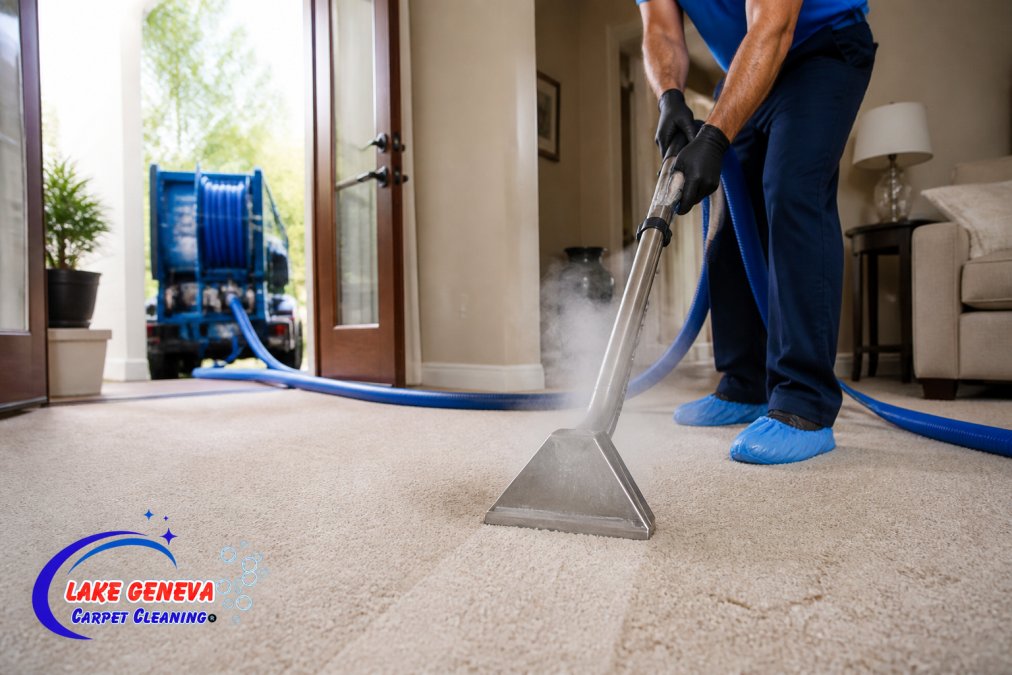
The Carpet and Rug Institute’s cleaning recommendations emphasizes that hot water extraction is the preferred method for carpets treated with stain protection. When done properly, this method flushes out the uric acid crystals that cause recurring pet odors, along with dust mites and their waste products that trigger allergies.
The main drawback is drying time. Poorly executed steam cleaning can leave carpets wet for a full day, creating mold risk. Professional truck-mounted systems extract more water than rental machines, significantly reducing drying time.
3. Baking Soda and Vinegar: A Safe DIY Pre-Treatment
For minor accidents and routine freshening, baking soda and white vinegar offer a reliable, non-toxic option. Baking soda neutralizes odors naturally, while vinegar’s mild acidity helps break down alkaline stains and discourage bacteria growth.
Apply baking soda generously to the affected area and let it sit for several hours or overnight. Vacuum thoroughly, then spray a solution of equal parts water and white vinegar onto any remaining spots. Blot with a clean cloth, then sprinkle more baking soda and vacuum once dry.
This method works best for fresh stains and surface odors. It won’t penetrate deep into carpet padding, so don’t expect it to solve years of accumulated pet accidents. It also won’t sanitize the carpet or remove embedded allergens.
4. Low-Moisture Cleaning (Encapsulation)
Encapsulation cleaning uses specialized polymers that crystallize around dirt particles, which are then removed by vacuuming. This low-moisture method leaves carpets nearly dry within 30 to 60 minutes, making it an excellent option for pet owners concerned about mold and mildew.
The encapsulation process is particularly effective for routine maintenance between deep cleanings. It removes surface dirt, neutralizes odors, and leaves no sticky residue behind. Because so little water is used, there’s minimal risk of over-wetting the carpet or padding.
However, encapsulation doesn’t provide the deep cleaning power needed for set-in pet stains or heavy allergen removal. It’s best viewed as a complement to hot water extraction, not a replacement.
5. pH-Balanced Shampooing vs. Steam Extraction
Traditional shampooing involves agitating a foamy detergent into the carpet, then extracting the foam and dirt. While effective for heavily soiled carpets, shampooing requires careful attention to the cleaning solution’s pH level. Carpets cleaned with alkaline shampoos that aren’t fully neutralized can attract more dirt and irritate pet paws.
pH-balanced solutions, typically around neutral (7.0), clean effectively without leaving harsh residues. When comparing shampooing to steam extraction, steam extraction generally provides superior results for pet homes because it uses less chemical residue and extracts more deeply.
The choice between these methods often comes down to the carpet type. Synthetic fibers respond well to most cleaning methods, while wool carpet care requires gentler, lower-pH approaches to prevent shrinkage and color damage.
6. Hydrogen Peroxide Spot Treatment (With Caution)
Hydrogen peroxide can effectively break down organic stains and has mild bleaching properties that help remove discoloration. For light-colored carpets, a 3% hydrogen peroxide solution applied directly to the stain and blotted can work surprisingly well on fresh urine spots.
The critical caveat: hydrogen peroxide is a bleaching agent. Test it on an inconspicuous area first, and never use it on wool or dark-colored carpets. Even on safe surfaces, rinse thoroughly after treatment to remove any residue.
Hydrogen peroxide should be reserved for small, fresh stains. It won’t address deep-seated odors, and overuse can damage carpet fibers over time.
7. Vacuuming with a HEPA Filter for Dander Removal
Regular vacuuming is the foundation of any pet safe carpet cleaning routine. The American Lung Association’s guidance on indoor allergens recommends vacuuming carpets at least twice weekly in homes with pets to reduce allergens like dander and dust mite debris.
A vacuum with a HEPA filter captures these microscopic particles rather than recirculating them into the air. Standard vacuums without HEPA filtration can actually worsen indoor air quality by blowing fine particles back into the room you’re trying to clean.
For maximum effectiveness, vacuum slowly and make multiple passes over high-traffic areas. Pay special attention to edges and corners where pet hair accumulates. While vacuuming won’t remove set-in stains or odors, it prevents dirt from embedding deeper into the fibers.
8. Professional Pet Odor Neutralization
Sometimes DIY methods simply aren’t enough. Professional pet odor neutralization uses commercial-grade bio-enzymatic treatments and specialized equipment to permanently eliminate odors at their source, including in the carpet padding and subfloor.
Professional carpet cleaning for pet owners offers several advantages. Truck-mounted extraction systems operate at higher temperatures and stronger suction than rental machines. Professional-grade enzyme treatments are more concentrated and effective than retail products. Most importantly, experienced technicians know how to identify and treat the full extent of pet damage, not just the visible stain.
This is where experience makes a measurable difference. Lake Geneva Carpet Cleaning has handled numerous pet-related carpet issues across Walworth and Kenosha counties, from isolated accidents to homes where odors have penetrated deep into the padding.
How to Remove Pet Urine from Carpet: A Step-by-Step Protocol
When you discover a fresh accident, acting quickly prevents permanent damage. Follow this how to remove pet urine from carpet protocol for the best chance of complete removal.
Step 1: Blot Immediately
Blot the area with paper towels or a clean white cloth, working from the outside inward to prevent spreading. Press firmly to absorb as much liquid as possible. Never rub, which pushes urine deeper into the fibers.
Step 2: Flush with Water
Apply clean, cool water to the area, then blot again. This dilutes the urine and helps draw it out of the carpet. Repeat until the blotting cloth comes up nearly clean.
Step 3: Apply Enzyme Cleaner
Liberally apply an enzyme cleaner designed for pet urine. Ensure the solution penetrates to the carpet backing and padding. Cover with plastic wrap to keep the area moist.
Step 4: Allow Time to Work
Let the enzyme cleaner sit for 10 to 15 hours. The enzymes need this time to break down the uric acid crystals completely. For old or heavy accidents, reapply and wait another full day.
Step 5: Blot and Dry
After the waiting period, blot the area dry. Place a weighted stack of dry towels over the spot to absorb remaining moisture. Ensure the area dries completely to prevent mold growth.
Step 6: Neutralize Remaining Odors
If any odor persists after drying, apply a light dusting of baking soda, let it sit overnight, then vacuum thoroughly.
Choosing Pet Safe Carpet Cleaning Solutions: What to Look For
Not all products labeled “natural” or “green” are actually safe for pets. When evaluating pet safe carpet cleaning solutions, look for these specific markers rather than trusting marketing claims.
First, check for enzyme-based formulas specifically designed for pet waste. These should list protease or uricase as active ingredients. Second, avoid products containing ammonia, bleach, or artificial fragrances. Third, look for pH-balanced formulations that won’t damage carpet fibers or irritate pet paws.
The Environmental Working Group’s guide to healthy cleaning recommends checking ingredient lists against known irritants. Products with the Safer Choice label have undergone EPA review for ingredient safety, though absence of the label doesn’t necessarily mean a product is unsafe.
A common mistake is assuming more product equals better results. Over-applying cleaning solutions leaves residue that attracts dirt and creates a sticky surface for pets to walk through. Follow label instructions for dilution and application amounts.
Professional Carpet Cleaning for Pet Owners: When to Call the Experts
Even with diligent home care, professional carpet cleaning for pet owners becomes necessary at certain points. If you notice recurring odors despite regular enzyme treatments, or if allergies persist despite HEPA vacuuming, it’s time to bring in professional equipment and expertise.
Signs you need professional help include: urine that has soaked through to the padding, odors that return within weeks of cleaning, visible staining that DIY methods won’t lift, and carpet that looks dingy despite regular vacuuming. Homes with multiple pets or senior pets with frequent accidents typically need professional cleaning every 6 to 12 months.
The hot water extraction method used by Lake Geneva Carpet Cleaning penetrates deep into the carpet and padding, flushing out the uric acid crystals, dander, and dust mites that surface methods miss. Our truck-mounted system operates at higher extraction power than many alternatives, meaning your carpets dry faster and stay cleaner longer.
What separates professional results from DIY attempts is the combination of equipment power, professional-grade solutions, and experience identifying problem areas. A technician who has cleaned hundreds of pet homes knows where odors hide and how to treat different carpet types.
Lake Geneva Water Hardness and Your Carpet
Lake Geneva’s water supply is notably hard, meaning it contains elevated levels of dissolved minerals like calcium and magnesium. When hard water is used for carpet cleaning, these minerals can leave behind a residue that attracts dirt and dulls carpet colors over time.
Many homeowners don’t realize that their tap water affects cleaning results. Hard water can interfere with the activation of cleaning solutions, reducing their effectiveness. It can also leave mineral deposits in carpet fibers that make them feel stiff and look dingy.
Professional cleaning services address this through water softening and temperature control. At Lake Geneva Carpet Cleaning, we account for local water conditions to ensure optimal cleaning results. This is one reason carpets cleaned professionally often look better and stay cleaner longer than those cleaned with standard home equipment.
Common Mistakes That Ruin Carpets and Pet Safety
Several well-intentioned practices actually cause more harm than good. Understanding these pitfalls helps you avoid damaging your carpet or endangering your pets.
Scrubbing vigorously: Hard scrubbing frays carpet fibers and pushes stains deeper. Always blot gently.
Using steam cleaners on wool: High heat and moisture can shrink and damage wool carpets. Check fiber content before attempting any wet cleaning method.
Skipping the drying process: Carpets that stay damp for extended periods become breeding grounds for mold and bacteria. Ensure proper airflow and consider professional extraction for faster drying.
Ignoring the padding: When urine penetrates the carpet backing into the padding, surface cleaning won’t solve the problem. The odor will return as the padding continues to harbor bacteria.
Using toxic chemicals around pets: Products containing bleach, ammonia, or high VOC levels pose immediate health risks. Pets walking on treated carpets can absorb these chemicals through their paw pads. Proper drying time isn’t just about preventing mold, it’s also about allowing any cleaning residues to fully dissipate before pets return to the area.
Conclusion: A Healthier Home for You and Your Pets
Pet safe carpet cleaning isn’t about finding one miracle product. It’s about building a routine that combines regular vacuuming with a HEPA filter, immediate spot treatment with enzyme cleaners, and periodic professional deep cleaning to address what home methods can’t reach.
For Lake Geneva homeowners dealing with stubborn pet odors, recurring stains, or allergy issues, professional intervention makes the difference between temporary masking and permanent solutions. Our truck-mounted hot water extraction, combined with eco-friendly cleaning solutions and a 10-day satisfaction guarantee, provides the thorough cleaning your carpets need and the peace of mind your family deserves.
Contact Lake Geneva Carpet Cleaning today for a free quote and discover why Wisconsin homeowners have trusted us for over three decades. We’ll help you create a healthier living environment for everyone in your home, including the four-legged members of your family.
Frequently Asked Questions
What is the safest carpet cleaner for pets?
The safest options are enzyme-based cleaners and plain hot water extraction. Enzyme cleaners are non-toxic and break down the proteins in urine and feces without leaving harmful residues. For a deeper clean, hot water extraction uses only water and heat to flush out dirt and allergens, making it safe for pets once the carpet is dry. Always check that any product is labeled non-toxic and free of harsh VOCs, and keep pets off the carpet until it is completely dry.
What type of carpet cleaning is best for pet urine?
Hot water extraction, also called steam cleaning, combined with a bio-enzymatic pre-treatment is the most effective method for pet urine. The enzyme treatment breaks down the urine crystals at the source, while the hot water extraction flushes the residue from the carpet fibers and backing. This two-step process neutralizes odors rather than just masking them, which is why it is the method professional carpet cleaning for pet owners relies on.
What ingredients should I avoid in carpet cleaners if I have pets?
Avoid cleaners that contain ammonia, chlorine bleach, formaldehyde, and artificial fragrances with phthalates. Ammonia smells like urine to pets and can encourage repeat accidents. Many commercial spot cleaners also leave a sticky residue that attracts dirt and can be toxic if your pet licks its paws. Look for pH-balanced, hypoallergenic formulas that are explicitly labeled non-toxic and free from volatile organic compounds.
How often should I have my carpets professionally cleaned with pets in the house?
With one or two pets, plan on professional cleaning every 6 to 12 months. If you have multiple pets, a senior pet with accidents, or pets that spend a lot of time outdoors, consider every 3 to 6 months. Professional hot water extraction removes embedded dander and allergens that regular vacuuming misses, which improves indoor air quality and helps manage allergies.