Table of Contents
- Why Pet Urine Odor Persists in Carpet
- Step 1: Locate and Blot Fresh Accidents
- How to Find Hidden Pet Urine Spots
- Step 2: Apply Natural Cleaning Solutions
- Best Enzymatic Cleaner for Pet Urine
- Step 3: Address Carpet Padding Saturation
- Why Carpet Smells Worse After Cleaning
- Professional Deep Cleaning for Permanent Results
- Preventing Future Pet Accidents
- Conclusion
Last Updated: August 11, 2026
Why Pet Urine Odor Persists in Carpet
Pet urine penetrates deep into carpet padding and subfloor, not just surface fibers. Uric acid crystals, the primary culprit, don’t dissolve in water alone. When moisture reactivates them through humidity or cleaning attempts, they release ammonia smell again. This is why odors return even after multiple cleaning sessions.
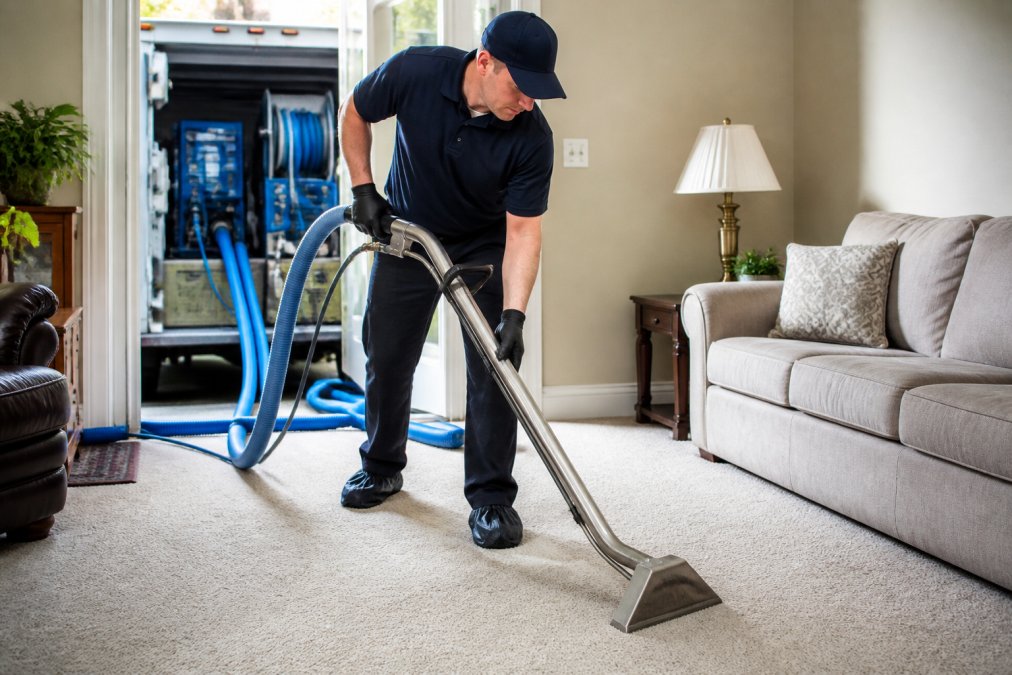
The real problem is carpet padding. Unlike fibers, padding absorbs urine like a sponge and holds onto it. If saturation reaches the padding, surface-level cleaning won’t touch it. You’re treating the symptom while the source remains buried underneath.
Pet urine smell persists because uric acid crystals embed themselves in carpet padding and subfloor, not just visible fibers. Surface cleaning alone cannot reach these deep sources, which is why odors return.
Step 1: Locate and Blot Fresh Accidents
Speed matters. The faster you blot, the less urine penetrates the padding. Fresh urine is still liquid and hasn’t bonded with fibers yet, this is your window to prevent deeper saturation.
Blot with white paper towels or cloth, pressing down firmly without rubbing. Work from the edges toward the center to contain spread. Use fresh towels repeatedly until mostly dry.
Apply cool water and blot again to dilute remaining urine. A wet/dry vacuum is effective if available. The goal is removing as much liquid as possible before it soaks through to padding.
Rubbing or scrubbing a fresh accident pushes urine deeper into carpet fibers and padding. Always blot vertically with downward pressure, never side-to-side.
How to Find Hidden Pet Urine Spots
Pets often return to the same areas, meaning multiple accidents may have occurred in one location. Many spots are hidden in corners, under furniture, or masked by carpet color. Finding these hidden deposits is essential because treating only visible stains while missing actual problem areas is why odors return after cleaning.
Using Blacklight (UV Light) Detection
A blacklight reveals urine stains invisible to the naked eye because uric acid fluoresces under ultraviolet light. This is the most reliable method for locating both fresh and old deposits.
Blacklights are inexpensive ($15-$40) and widely available online or at hardware stores.
Systematic Search Process:
Darken the room. Close curtains and turn off lights, allowing 2-3 minutes for eye adjustment.
Start in high-probability zones. Pets typically eliminate near doors and windows, in corners, along baseboards, under furniture, and near sleeping or eating areas.
Move slowly and methodically. Hold the blacklight 6-12 inches above carpet and scan in overlapping passes. Urine deposits appear as bright yellow, blue, or white spots.
Mark spots immediately. Use painter’s tape or washable chalk to mark each spot, preventing loss when switching back to normal lighting.
Check under and behind furniture. Pets often eliminate in hidden spots where they feel secure.
Why Blacklight Works Better Than Your Nose
Your sense of smell becomes desensitized to chronic odors through olfactory adaptation. A blacklight doesn’t suffer this limitation, it reveals every deposit regardless of how long it’s been present. Additionally, a strong smell in one area might actually originate from a different location where urine has spread through padding. Blacklight shows the actual source.
Confirming Spots With Your Nose
After identifying spots with blacklight, use your nose to confirm and assess severity. Get low to the carpet and sniff directly over each marked spot. Intensity of smell indicates saturation depth: faint smell suggests surface-level urine that natural cleaning can address; strong ammonia smell indicates deep saturation requiring enzymatic cleaners or professional extraction.
Documenting Your Findings
Create a simple map or list noting location, approximate size, and smell intensity. This helps ensure no spots are missed, prioritize treatment, and assess whether the problem is localized or widespread.
Mark hidden urine spots with painter’s tape immediately after finding them with a blacklight. Number each spot to track which areas you’ve treated.
Step 2: Apply Natural Cleaning Solutions
Natural solutions work for fresh accidents and light odors, but success depends on carpet material, saturation depth, and treatment speed. Understanding the chemistry helps you recognize when they’ll work and when you need enzymatic cleaners or professional treatment.
Vinegar and Water Solution
White vinegar’s acidity (around 5% acetic acid) helps neutralize alkaline uric acid compounds. Mix equal parts white vinegar and water in a spray bottle. Spray the affected area generously until damp, then let sit 5-10 minutes. Blot thoroughly with clean white towels, working from edges toward center.
This method works best on synthetic carpets (polyester, nylon). On wool or natural-fiber carpets, vinegar can leave residue or alter fiber texture if not rinsed thoroughly. Limitation: vinegar addresses surface odor and recent accidents but rarely penetrates padding.
Baking Soda Treatment
Baking soda absorbs moisture and odors through adsorption. After applying vinegar and blotting, sprinkle baking soda generously over the damp spot. Leave in place for at least 12 hours, ideally overnight, then vacuum thoroughly. On light-colored carpets, baking soda is safer than hydrogen peroxide because it won’t bleach fibers.
Baking soda works best on surface odors in synthetic carpets. On shag or high-pile carpets, it can be difficult to vacuum out completely.
Hydrogen Peroxide Solution (Caution Required)
Three percent hydrogen peroxide mixed with a small amount of dish detergent (roughly 1 tablespoon per cup) can break down organic compounds in urine.
Critical: Always test this solution on a hidden carpet corner first. Hydrogen peroxide can bleach or lighten carpet colors, especially on darker or dyed fibers. If color holds steady after 10 minutes, it’s safe to use on the visible stain.
Apply the solution, let sit 10 minutes, then blot and rinse with clean water. This method is more aggressive than vinegar and baking soda but carries bleaching risk.
When Natural Solutions Fail
Natural methods work best within 24-48 hours of an accident. If treating a spot more than a few days old, or if smell returns within a week, urine has likely saturated the padding. Natural solutions cannot reach the source at that point.
Hydrogen peroxide can bleach carpet fibers. Always test on a hidden area first. Avoid using it on wool, silk, or dark-colored carpets unless you’ve confirmed colorfastness.
Best Enzymatic Cleaner for Pet Urine
Enzymatic cleaners break down uric acid and odor-causing bacteria. Unlike vinegar and baking soda, which mask or absorb smell, enzymatic cleaners digest the organic compounds responsible for odor.
These cleaners contain live bacteria or enzymes that consume uric acid crystals. The process takes time, most work best when left on carpet for 24-48 hours. Select products specifically labeled for pet urine, as generic enzymatic cleaners may lack the right bacterial strains or enzyme concentrations.
Saturate the affected area thoroughly; the cleaner needs to reach padding to be effective. For large or deeply saturated spots, repeat application after the first treatment dries.
The main drawback is slow action and extended damp periods, which can create environments for mold or mildew if ventilation is poor. Ensure good ventilation and use fans to speed drying.
Step 3: Address Carpet Padding Saturation
This step separates temporary fixes from permanent solutions. If urine has saturated padding, no amount of surface cleaning removes the smell permanently.
Carpet padding absorbs liquids readily. Once urine soaks through fibers into padding, it becomes trapped. The padding holds moisture, bacteria multiply, and smell persists or returns.
You have two realistic options: remove and replace padding, or use professional extraction equipment that reaches deep into carpet structure. Removing padding is significant work, pulling up carpet, removing old padding, treating subfloor if necessary, and installing new padding. For a single room this might be practical; for multiple accident sites throughout a house, it becomes expensive and disruptive.
Professional deep cleaning with truck-mounted hot water extraction is the more practical solution. This equipment forces hot water deep into carpet and padding under pressure, then extracts it along with dissolved uric acid and bacteria.
Carpet padding saturation is the primary reason pet urine smells return after DIY cleaning. If urine has reached the padding, surface treatments cannot address the source of the odor.
Why Carpet Smells Worse After Cleaning
When you apply water or cleaning solution to urine-soaked carpet, you reactivate uric acid crystals. Moisture dissolves the crystals, releasing ammonia smell in concentrated form. This is why carpet can smell worse immediately after cleaning than before.
If carpet doesn’t dry quickly, bacteria continue multiplying in the moist environment, producing odor that rivals the original urine smell. Slow drying is a major culprit in the "cleaning made it worse" experience.
Steam cleaning can temporarily worsen smell if equipment doesn’t extract enough moisture or if carpet isn’t dried properly afterward. You’re left with damp carpet smelling like urine and mildew.
The solution is twofold: use cleaning methods that extract moisture effectively, and ensure rapid drying afterward. Professional equipment extracts the majority of water, and professionals know how to position fans and open windows to accelerate drying.
Professional Deep Cleaning for Permanent Results
When DIY methods have failed and smell persists, professional deep cleaning becomes the practical choice. Professional equipment and expertise address saturation in ways home methods cannot.
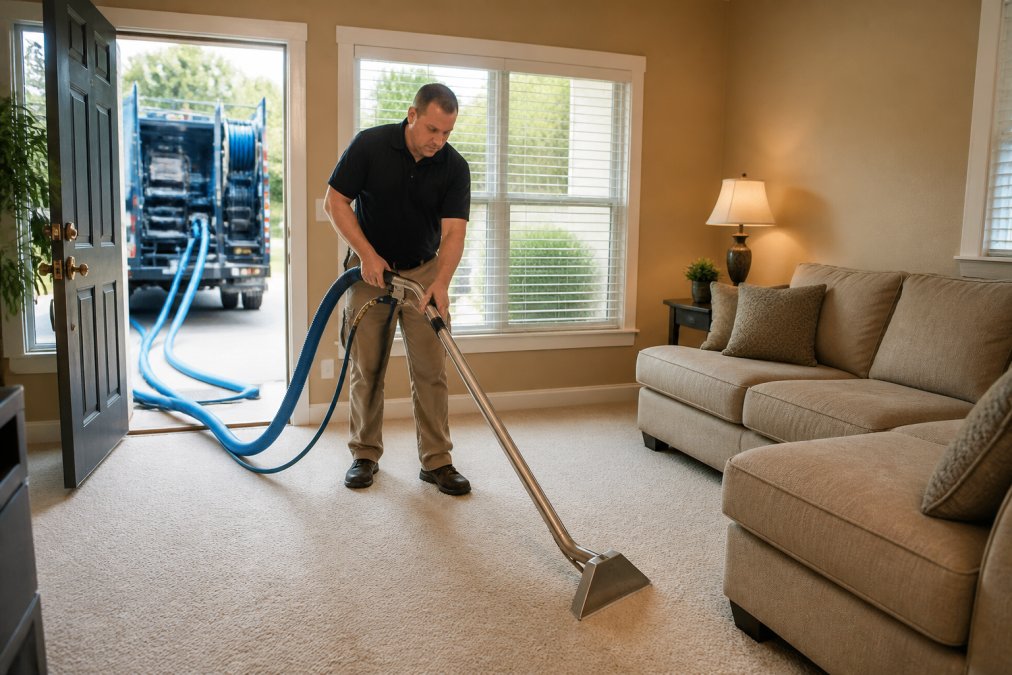
Truck-mounted hot water extraction is the gold standard for removing pet urine smell permanently. This equipment heats water to high temperatures and forces it deep into carpet and padding under significant pressure. Hot water dissolves uric acid crystals and kills bacteria. Powerful suction then extracts water, dissolved urine, and bacteria from the carpet structure.
The advantage over portable extractors is sheer power. Truck-mounted systems have stronger suction and hotter water, reaching deeper into padding and extracting more moisture for faster drying and more effective odor removal.
Professional cleaners have experience identifying problem areas. They know to check for padding saturation, treat subfloor damage if necessary, and apply additional treatments to areas needing extra attention. This expertise prevents treating only visible stains while missing deeper saturation.
The process typically takes 1-2 hours per room, depending on size and severity. Drying time is usually 24 hours with proper ventilation, though high-quality equipment can reduce this to 12 hours or less, significantly faster than DIY methods requiring 48+ hours.
Preventing Future Pet Accidents
Once you’ve invested in removing pet urine smell, prevent new accidents through behavioral and environmental solutions.
Enzymatic odor neutralizers help prevent re-soiling. Pets are drawn to spots where they’ve eliminated before. Complete odor removal makes spots less attractive for future accidents.
Behavioral solutions are equally important. Increased bathroom breaks, especially for older pets or those with medical issues, reduce accidents. Designated potty areas outside and consistent training reinforce appropriate elimination habits. Frequent accidents warrant a veterinary visit to rule out medical issues.
For persistent problems, waterproof carpet protectants applied after professional cleaning create a barrier helping prevent urine from penetrating fibers and padding quickly. Area rugs in high-risk zones offer another protection layer.
Removing pet urine smell permanently requires addressing saturation deep in carpet padding and subfloor, not just treating the surface. DIY methods like vinegar, baking soda, and enzymatic cleaners work for fresh accidents and light odors, but rarely reach the depth needed for stubborn, long-standing smells. When these approaches fail and smell returns, professional deep cleaning becomes the practical solution.
Lake Geneva Carpet Cleaning specializes in removing embedded pet odors using state-of-the-art truck-mounted hot water extraction technology that reaches carpet saturation most homeowners cannot address alone. With extensive experience serving the Wisconsin area, the team understands how pet urine embeds itself in carpet structure and knows exactly how to extract it permanently. If you’ve tried multiple cleaning approaches and the smell keeps returning, reach out to Lake Geneva Carpet Cleaning for a consultation and experience the difference professional-grade equipment and expertise can make.
Frequently Asked Questions
What kills pet urine odor in carpet permanently?
Enzymatic cleaners break down uric acid crystals at the source of the smell, making them far more effective than surface cleaners. For permanent results, you must treat the carpet fibers, backing, and padding where urine has saturated. Professional hot water extraction removes moisture and residue that DIY methods often leave behind, preventing odor from returning within weeks.
Why does my carpet smell worse after I clean it?
Carpet often smells worse after cleaning because moisture reactivates uric acid crystals trapped in the padding and subfloor. If you don't extract enough water, dampness allows bacteria to multiply, intensifying the odor. Steam cleaning without proper ventilation and drying can worsen this. Professional extraction removes both the cleaning solution and the extracted moisture, preventing this rebound effect.
How do I know if old urine stains are still in my carpet?
Use a blacklight or UV light in a darkened room to spot dried urine stains invisible to the naked eye. Urine fluoresces under UV light, revealing the full extent of saturation. If you smell ammonia or mustiness after rain or humidity spikes, urine has likely saturated the padding and subfloor. Testing for colorfastness before treating ensures your cleaning method won't damage synthetic or wool fibers.
Can enzymatic cleaners really remove pet urine from carpet padding?
Enzymatic cleaners work best on surface fibers and the first layer of backing, but they struggle to penetrate deep padding saturation. The enzymes need direct contact with uric acid crystals to break them down. This is why carpet padding often requires replacement or professional extraction with moisture removal to fully eliminate odor. Material-specific advice matters: wool carpet absorbs more urine than synthetic, requiring different treatment approaches.
This article was written using GrandRanker