
Table of Contents
- Physical Signs of Mold Growth in Your Home
- Health Symptoms Associated with Mold Exposure
- Musty Odors and What They Tell You About Air Quality
- Signs of Mold in HVAC System
- Indoor Air Quality Testing for Mold Detection
- Moisture Control and Prevention Strategies
- How to Improve Air Quality in Your Home
- When to Seek Professional Help for Mold Concerns
- Frequently Asked Questions
Last Updated: September 29, 2026
Physical Signs of Mold Growth in Your Home
Visible mold is the clearest indicator that your home has a moisture problem. Look for dark spots, patches, or fuzzy growth on walls, ceilings, bathrooms, basements, and around windows. Mold thrives in damp environments and often appears black, green, or white depending on the species.
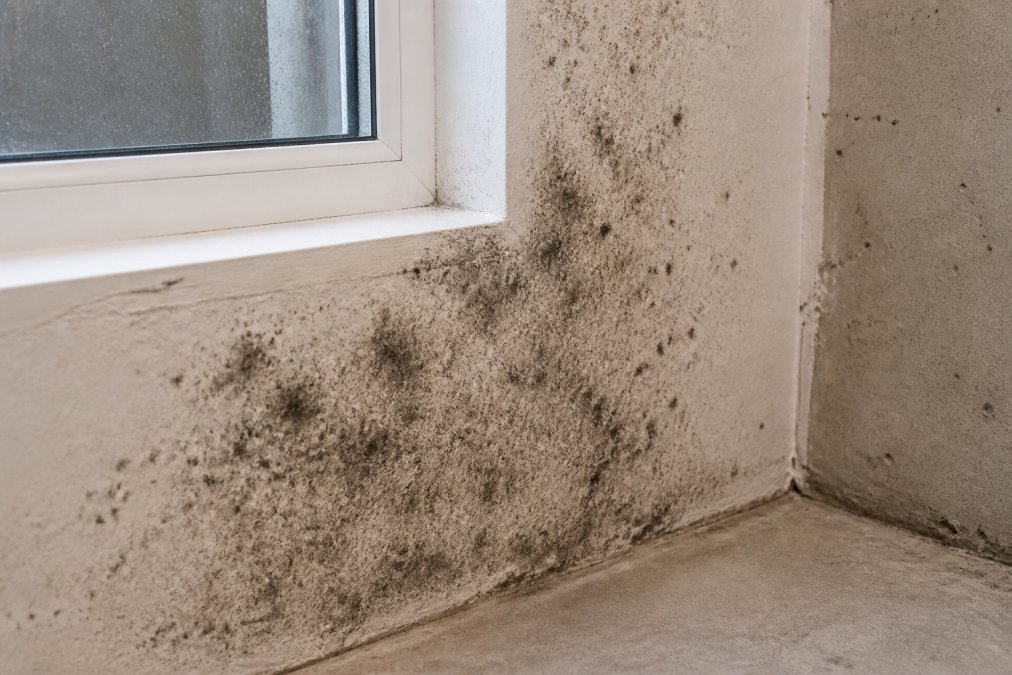
Common locations include areas with poor ventilation, water leaks, or condensation buildup. Bathrooms are particularly vulnerable because of constant moisture from showers. Basements frequently develop mold when groundwater seeps through foundation cracks or when humidity levels remain elevated.
The presence of visible mold indicates that signs of mold in home air quality have already deteriorated significantly. If you can see mold with your naked eye, spore counts in your indoor air are likely elevated. This is especially concerning for homeowners in areas with high humidity or seasonal moisture issues, where mold colonies can expand rapidly if left untreated.
Pay attention to discoloration on wood surfaces, drywall, and fabric. Mold can also hide behind walls, under flooring, and inside HVAC ducts where you cannot see it directly. A musty odor often accompanies visible growth, signaling that mold is present even in hidden spaces.
Health Symptoms Associated with Mold Exposure
Mold spores circulate through your home’s air and can trigger respiratory symptoms in occupants. Common health effects include coughing, sneezing, nasal congestion, and throat irritation. These symptoms often worsen in people with allergies or asthma.
Prolonged exposure to mold can lead to more serious respiratory issues. Wheezing, shortness of breath, and chronic sinus problems develop in some individuals. People with weakened immune systems, elderly residents, and young children face heightened vulnerability to mold-related health complications.
Allergic reactions to mold spores manifest as itchy eyes, runny nose, and skin rashes. Some individuals experience headaches and fatigue when exposed to mold-contaminated indoor air. These symptoms typically improve when the person leaves the moldy environment, but repeated exposure can cause long-term sensitivity.
If family members develop persistent respiratory symptoms that improve when away from home, mold exposure may be the culprit. Have your home evaluated for moisture intrusion and mold contamination.
The relationship between signs of mold in home air quality and health outcomes is direct. Airborne mold spores are biological agents that your respiratory system must process, triggering immune responses. Wisconsin homeowners should take these symptoms seriously, especially during humid seasons when indoor moisture levels spike.
Musty Odors and What They Tell You About Air Quality
A musty smell in your home is a reliable early warning sign of mold growth. This distinctive odor comes from volatile organic compounds released by mold colonies as they metabolize moisture and organic material. Many people notice the smell before they see any visible mold.
The musty odor indicates that mold spores are already present in your indoor air. This means your home’s air quality has been compromised by fungal growth. The smell often becomes stronger in poorly ventilated spaces like basements, crawl spaces, and closed-off rooms.
If the odor appears suddenly or intensifies over time, mold is actively growing somewhere in your home. This is a critical signal to investigate for moisture sources. Ignoring the smell allows mold colonies to expand, increasing both the visible damage and the concentration of spores circulating through your living spaces.
Effective ventilation helps disperse musty odors, but it does not eliminate the underlying mold problem. Opening windows and running exhaust fans may temporarily mask the smell, but the mold continues to release spores into your indoor air. Professional assessment is necessary to identify the moisture source and address the contamination.
Signs of Mold in HVAC System
Your heating and cooling system can become a major distribution channel for mold spores throughout your home. When moisture accumulates in air ducts, the HVAC system spreads contaminated air to every room. This is particularly problematic because you cannot see the mold inside the ducts.
Visible mold growth on intake vents, return air grilles, or around the furnace indicates HVAC contamination. If you notice a musty smell when your system runs, mold is likely growing inside the ductwork. A moldy smell that intensifies when heating or cooling cycles begin is a clear sign that your air distribution system needs professional evaluation.
When your HVAC system runs, it circulates air through contaminated ducts and spreads mold spores to every corner of your home. This can worsen respiratory symptoms and increase overall indoor air quality problems significantly.
HVAC mold contamination accelerates the spread of airborne spores because your system creates continuous air circulation. The moisture, dust, and darkness inside ducts create ideal conditions for fungal growth. Regular maintenance and professional duct inspection help prevent this problem from developing.
Indoor Air Quality Testing for Mold Detection
Many homeowners wonder whether they should have their home tested for mold or simply proceed with remediation based on visible signs and odor. Understanding when testing adds value, and when it does not, is essential to making the right decision for your situation.
When You Likely Do Not Need Testing
If you can see mold growth, smell a strong musty odor, or have discovered active water intrusion, professional remediation is warranted without testing. Visible mold larger than a few square feet, discoloration on drywall or wood, or fuzzy growth in bathrooms and basements are clear indicators that contamination exists. Testing in these cases delays action and adds unnecessary expense when the problem is already evident. Similarly, if family members experience respiratory symptoms that improve when they leave your home, the correlation is strong enough to justify remediation without laboratory confirmation.
When Testing Becomes Valuable
Testing is most useful when you suspect mold but cannot locate the source. If you notice a musty smell but cannot find visible growth, air sampling and surface testing help professionals pinpoint hidden contamination in walls, crawl spaces, or HVAC ducts. Testing is also appropriate when you need documentation for insurance claims, real estate transactions, or when selling your home, third parties often require objective data.
Homeowners in the Lake Geneva area dealing with older homes, complex moisture patterns, or previous water damage may benefit from testing to establish a baseline and guide remediation priorities. Testing also helps if you are uncertain whether indoor air quality problems stem from mold or other sources like dust mites or outdoor pollen.
Understanding Air Sampling Results
Air sampling involves collecting samples from inside your home and comparing them to outdoor baseline samples. A laboratory counts the types and quantities of mold spores present. The key metric is whether indoor spore counts are elevated relative to outdoor levels. If your home contains significantly higher spore concentrations than the air outside, mold contamination is actively affecting your indoor air quality.
Surface testing, swabbing or tape-lifting samples from suspected mold areas, identifies the mold species and confirms colonization in specific locations. This helps professionals determine whether contamination is localized (such as bathroom mold) or widespread (suggesting systemic moisture problems).
Making the Testing Decision
Ask yourself: Can I see or smell mold? If yes, remediation is the next step. Do I suspect mold but cannot find it? If yes, testing helps locate the problem. Do I need documentation for a third party? If yes, testing provides the evidence required. If none of these apply, testing is optional. Many homeowners proceed directly to moisture control and professional cleaning without testing, especially when visible signs are present.
The goal is to restore healthy air quality efficiently. Whether you choose testing or move directly to remediation, addressing the underlying moisture source is what ultimately improves your home’s air quality and prevents mold from returning.
Moisture Control and Prevention Strategies
Controlling humidity is the most effective way to prevent mold growth in your home. Keep indoor relative humidity between 30 and 50 percent. Use a hygrometer to monitor moisture levels, especially in basements and bathrooms where humidity tends to accumulate.
Run exhaust fans during and after showers to remove moisture from bathrooms. Ensure that dryer vents and bathroom exhaust fans discharge outside, not into attics or crawl spaces. Proper ventilation reduces the moisture that mold needs to thrive.
Address water leaks immediately. Check for leaks around windows, doors, roof penetrations, and foundation walls. Even small leaks create the damp conditions that allow mold to establish itself. Sealing cracks in your foundation and maintaining gutters prevents water intrusion.
Use dehumidification equipment in basements and other chronically damp spaces. Air conditioning systems naturally dehumidify, but in cooler months or in homes without AC, standalone dehumidifiers help maintain appropriate moisture levels. Regular maintenance of your HVAC system ensures it operates efficiently and prevents condensation buildup.
Improve air circulation by opening interior doors and using ceiling fans. Stagnant air allows moisture to concentrate in corners and closed-off areas. Good airflow helps maintain consistent humidity levels throughout your home.
How to Improve Air Quality in Your Home
Improving air quality after mold exposure requires a strategic approach. Not all interventions are equally effective, and some must happen before others to prevent spore recirculation and ensure lasting results.
Step 1: Remove the Mold Source (Non-Negotiable)
No air quality improvement strategy succeeds if mold is still actively growing in your home. Air purifiers, ventilation upgrades, and cleaning all fail to restore healthy air when the contamination source remains. Before investing in any other measure, identify and eliminate the moisture problem allowing mold to thrive. This means fixing water leaks, sealing foundation cracks, controlling basement humidity, and addressing HVAC condensation. Only after the mold source is removed do other air quality improvements become effective.
Step 2: Control Humidity to Prevent Recurrence
Maintain indoor relative humidity between 30 and 50 percent year-round. Use a hygrometer to monitor moisture levels, especially in basements and bathrooms where humidity accumulates. Run exhaust fans during and after showers, and ensure they discharge outside your home, not into attics or crawl spaces. In the Lake Geneva area, where seasonal humidity fluctuations are significant, this step is critical during humid summer months and after spring thaw when groundwater pressure on foundations peaks.
Use dehumidification equipment in chronically damp spaces. Air conditioning naturally dehumidifies during warm months, but in cooler seasons or in homes without AC, standalone dehumidifiers maintain appropriate moisture levels. This prevents mold from reestablishing itself after remediation.
Step 3: Deep Clean Carpets and Upholstery
Mold spores and allergens accumulate deep within carpet fibers and padding where surface vacuuming cannot reach. Professional hot water extraction cleaning removes embedded biological contaminants, dust mites, and organic material that mold feeds on. This is especially important if mold contamination has been present for weeks or months, spores settle into textiles and require extraction-level cleaning to remove effectively. Regular vacuuming with HEPA filters helps maintain air quality between professional cleanings, but does not replace the deep cleaning necessary after mold exposure.
Step 4: Improve Ventilation and Air Circulation
Ensure your home receives adequate fresh air exchange through windows, doors, or mechanical ventilation. Stale indoor air concentrates airborne contaminants. Open interior doors to allow air to circulate freely, and use ceiling fans to prevent moisture from pooling in corners and closed-off areas. A well-maintained HVAC system provides continuous air exchange while controlling humidity, have your system serviced annually and change filters regularly to prevent dust and spore accumulation in ducts.
Step 5: Consider Air Purification as a Supplement
HEPA air purifiers capture airborne mold spores and other particles, but only after the mold source is removed and humidity is controlled. These systems work best in conjunction with source removal and deep cleaning. A purifier running in a home where mold is still growing provides minimal benefit. Use purification to reduce residual spore counts and allergens after remediation is complete, not as a substitute for addressing the underlying problem.
Step 6: Maintain Cleanliness to Reduce Mold Food Sources
Regular cleaning removes dust and organic material that mold feeds on. Vacuum with HEPA filters, dust surfaces, and clean fabrics regularly. Professional carpet cleaning removes allergens and contaminants that surface cleaning cannot reach. This ongoing maintenance prevents mold from reestablishing itself and keeps your indoor air quality at healthy levels long-term.
The Priority Order Matters
Homeowners who invest in air purifiers or ventilation upgrades before removing the mold source waste money and delay recovery. Those who deep clean carpets before controlling humidity may see mold return within weeks. The sequence above, source removal, humidity control, deep cleaning, ventilation, purification, and maintenance, ensures that each step builds on the previous one and creates lasting improvement in your home’s air quality.
When to Seek Professional Help for Mold Concerns
Call a professional if you discover visible mold covering more than a small area, typically larger than a few square feet. Extensive mold contamination requires expert remediation to ensure complete removal and prevent recurrence.
Professional help is also necessary when mold appears in HVAC systems, crawl spaces, or other hard-to-reach areas. These locations require specialized equipment and expertise to properly address contamination without spreading spores throughout your home.
If you experience persistent health symptoms that correlate with time spent in your home, professional assessment is warranted. A mold specialist can evaluate your home for contamination and help identify the moisture sources causing the problem.
Homeowners in the Lake Geneva area who suspect mold but cannot locate the source should seek professional testing and inspection. Professionals use specialized equipment to detect hidden moisture and mold growth that visual inspection alone cannot reveal. This is particularly valuable in older homes or properties with complex moisture patterns.
When considering remediation, professional services provide expertise in moisture control, mold removal, and air quality restoration. Proper remediation addresses not only visible mold but also the underlying moisture problems that allow it to return.
If you’ve noticed musty odors, visible mold, or health symptoms in your home, professional evaluation is the best first step. At Lake Geneva Carpet Cleaning, we understand that signs of mold in home air quality often originate in carpets and upholstery where moisture and organic material accumulate. Our eco-friendly hot water extraction cleaning removes embedded allergens, mold spores, and contaminants from deep within carpet fibers and padding, significantly improving your indoor air quality. With over 32 years of experience serving Wisconsin homeowners, we’ve helped countless families breathe easier by eliminating the biological agents that compromise air quality. Contact us for a free quote to learn how professional carpet cleaning can restore healthier living spaces in your home.
Frequently Asked Questions
What are the first physical signs of mold in a home?
Early signs of mold include dark spots or patches on walls, ceilings, or around windows, often appearing black, green, or white. You may also notice a musty odor before visible growth appears. Discoloration on drywall, wood framing, or bathroom tiles, along with a damp feeling in the air, are common indicators. If you spot these signs of mold early, you can prevent further indoor air quality problems and health issues before they escalate.
How can I test the air quality in my home for mold?
Indoor air quality testing involves two main approaches: air sampling and surface testing. Air sampling captures airborne mold spores and counts them, providing a baseline comparison against outdoor air. Surface testing involves swabbing or tape-lifting samples from suspected areas. Professional testing services use lab analysis to identify spore types and concentrations. You can also use a hygrometer to monitor relative humidity levels, mold thrives above 50% humidity. For accurate results, contact a professional who specializes in indoor air quality testing.
Can mold in carpets affect my family’s health?
Yes. Mold spores and mycotoxins in carpets can trigger respiratory symptoms, allergic reactions, nasal congestion, and wheezing, especially in vulnerable populations like children, elderly family members, and those with asthma or compromised immune systems. Prolonged exposure increases health risks. Carpets retain moisture and provide an ideal environment for fungal growth, particularly in damp basements or humid climates. Regular deep cleaning and moisture control help reduce these health risks and maintain healthier indoor air quality.
How does humidity in my home contribute to mold growth?
Mold thrives when relative humidity exceeds 50%. High moisture levels in basements, bathrooms, kitchens, and other areas create ideal conditions for fungal growth and mold colonies. Poor ventilation, water damage, condensation on windows, and moisture intrusion through the building envelope all increase humidity. Regional climates with high seasonal moisture, like Wisconsin’s humid summers, accelerate mold development. Using dehumidification systems, improving ventilation, and addressing water sources are essential for preventing mold and maintaining healthy indoor air quality.