
Table of Contents
- Understanding Air Purifier Filters and Indoor Air Quality
- Types of Air Filtration Systems Explained
- HEPA Filter vs Carbon Filter: What’s the Difference
- Decoding Filter Efficiency Ratings: MERV and CADR
- How Often to Change Air Purifier Filter for Optimal Performance
- Assessing Your Home Size and Airflow Requirements
- Indoor Air Quality Tips for Wisconsin Homes
- Choosing Filters for Specific Allergen and Pollutant Concerns
- Maintenance, Replacement, and Environmental Considerations
- Frequently Asked Questions
Last Updated: September 28, 2026
Understanding Air Purifier Filters and Indoor Air Quality
Indoor air quality matters more than most homeowners realize. The air inside your home can be two to five times more polluted than outdoor air, filled with dust, pet dander, mold spores, and other airborne particles that affect your health and comfort. An air purifier filter is your first line of defense against these contaminants, but choosing the right one requires understanding what you’re actually buying.
The challenge isn’t finding a filter, it’s finding the right filter for your specific needs. Not all filters work the same way. Some trap large particles. Others capture microscopic allergens. A few neutralize odors and volatile organic compounds. Without knowing what you’re filtering for, you’ll waste money on equipment that doesn’t solve your problem.
At Lake Geneva Carpet Cleaning, we work with homeowners throughout Wisconsin who are serious about improving their indoor environments. While we specialize in deep carpet cleaning to remove embedded allergens and odors, we understand that air filtration is part of the larger picture of maintaining a healthy home.
This guide breaks down everything you need to know to select the right air purifier filter for your home.
Types of Air Filtration Systems Explained
Air filtration systems fall into several distinct categories, each designed to handle different pollutants.
Mechanical filters use physical barriers to trap particles. Fine-mesh prefilters catch large debris like dust and hair. HEPA filters (high-efficiency particulate air) capture ultrafine particles as small as 0.3 microns. These are the workhorses of air purification and handle the majority of household allergens.
Activated carbon filters work differently. Instead of trapping particles, they absorb odors and volatile organic compounds. They’re especially useful if you have pets, smoke, or live near sources of chemical smells. Carbon filters don’t remove dust or allergens, they remove smell and chemical vapors.
Combination systems use multiple filter types in sequence. A prefilter catches large particles first, then air passes through a HEPA filter, and finally through activated carbon. This layered approach addresses more pollutants than any single filter type.
Ionizers and UV systems represent a different approach. Ionizers release charged particles that attract airborne contaminants. UV systems use ultraviolet light to kill bacteria and viruses. These work alongside mechanical filters, not as replacements.
The right system depends on what you’re trying to remove from your air. If allergies are your main concern, HEPA filtration is essential. If odors dominate, activated carbon becomes your priority. Most homes benefit from a combination approach.
HEPA Filter vs Carbon Filter: What’s the Difference
HEPA filters and activated carbon filters serve completely different purposes, so comparing them directly is like asking whether you need a hammer or a screwdriver, the answer depends on the job.
HEPA filters excel at removing particles from the air. They capture 99.97% of particles larger than 0.3 microns. This includes dust, pollen, pet dander, and mold spores. If you have allergies or asthma, HEPA filtration is non-negotiable. The filter’s dense mesh physically blocks particles, forcing them to stick to the filter material rather than circulate back into your home.
Activated carbon filters do something entirely different. They absorb gases and odors by drawing them into the porous structure of the carbon. They’re remarkably effective at removing cooking smells, pet odors, and chemical fumes. However, they cannot remove dust or allergen particles. A carbon filter won’t help your allergies unless it’s paired with a HEPA filter upstream.
Here’s the practical difference: A HEPA filter alone cleans the air of particles but does nothing about smell. A carbon filter alone removes odors but leaves dust and allergens floating around. The best filtration systems use both.
| Filter Type | What It Removes | What It Doesn’t Remove | Best For |
|---|---|---|---|
| HEPA | Dust, pollen, pet dander, mold spores, ultrafine particles | Odors, gases, volatile compounds | Allergies, asthma, general air quality |
| Activated Carbon | Odors, cooking smells, pet odors, chemical fumes, VOCs | Particles, dust, allergens | Pet owners, smoke, chemical sensitivity |
| Combination | Particles and odors together | Nothing, covers both categories | Most homes, comprehensive air quality |
Decoding Filter Efficiency Ratings: MERV and CADR
Filter ratings can seem like alphabet soup, but they tell you exactly what a filter can and cannot do. Understanding both MERV and CADR, and how they work together, is essential to avoiding filters that sound impressive but don’t actually solve your air quality problem.
MERV ratings (Minimum Efficiency Reporting Value) measure how well a filter traps particles between 0.3 and 10 microns. The scale runs from 1 to 16, with higher numbers indicating finer filtration.
- MERV 1-4: Basic filters that catch large dust particles; typical for industrial settings, not homes
- MERV 5-8: Standard household filters for general dust and pollen; adequate for homes without allergies or pets
- MERV 9-12: Better filtration for homes with pets or mild allergies; captures smaller dust and pet dander
- MERV 13-16: High-efficiency filters for severe allergies and respiratory concerns; captures ultrafine particles
HEPA filters capture 99.97% of particles 0.3 microns or larger.
The MERV trap: A high MERV rating doesn’t automatically mean better air quality in your home. A MERV 16 filter installed in a system designed for MERV 8 will restrict airflow, forcing your system to work harder, use more energy, and potentially deliver less total clean air. Always check your system’s maximum recommended MERV rating before upgrading.
CADR ratings (Clean Air Delivery Rate) measure how quickly a filter removes specific pollutants from a room. CADR is expressed as a number representing cubic feet per minute of clean air delivered. This is where the real-world performance happens.
CADR ratings come in three categories:
- Smoke CADR (removes odor and smoke particles): A rating of 200 means the filter delivers 200 cubic feet per minute of smoke-free air
- Dust CADR (removes dust and allergens): Indicates speed of dust removal specifically
- Pollen CADR (removes pollen and larger particles): Indicates speed of pollen removal
A filter with a smoke CADR of 200 removes smoke-sized particles from a room twice as fast as a filter with a CADR of 100. This matters because a slow filter might technically capture particles, but if your room’s air isn’t cycling through it frequently enough, pollutants accumulate faster than they’re removed.
Applying ratings to your home:
Match the CADR rating to your room size and your specific concern. If you have a 300-square-foot bedroom with pet allergies, you need a filter with a dust CADR of at least 100 (roughly one-third of room square footage). If that same room has cooking odors, you also need a smoke CADR of at least 100. A filter strong in dust CADR but weak in smoke CADR won’t solve your odor problem, even if it’s rated MERV 13.
Check the manufacturer’s room-size recommendations, they’re based on CADR calculations. A filter rated for 300 square feet won’t adequately clean the air in a 600-square-foot living room, no matter how high the MERV rating. Undersized systems force you to replace filters more frequently and deliver less clean air overall.
Why both numbers matter:
MERV tells you particle-size capability; CADR tells you speed and coverage. A MERV 13 filter with a dust CADR of 50 will eventually capture fine particles but won’t keep up with a dusty home. A MERV 8 filter with a dust CADR of 250 will quickly clean the air but won’t capture ultrafine allergens. The best choice combines adequate MERV for your pollutant type with a CADR matched to your room size and air quality needs.
How Often to Change Air Purifier Filter for Optimal Performance
Filter replacement frequency depends on three factors: how dirty your air is, how often you run the system, and the filter’s initial quality.
Standard replacement schedules for most household filters fall between three and six months. Homes with pets, smokers, or high dust levels should replace filters every three months. Cleaner homes with minimal air quality issues can stretch to six months.
Warning signs that a filter needs changing appear before the scheduled replacement date:
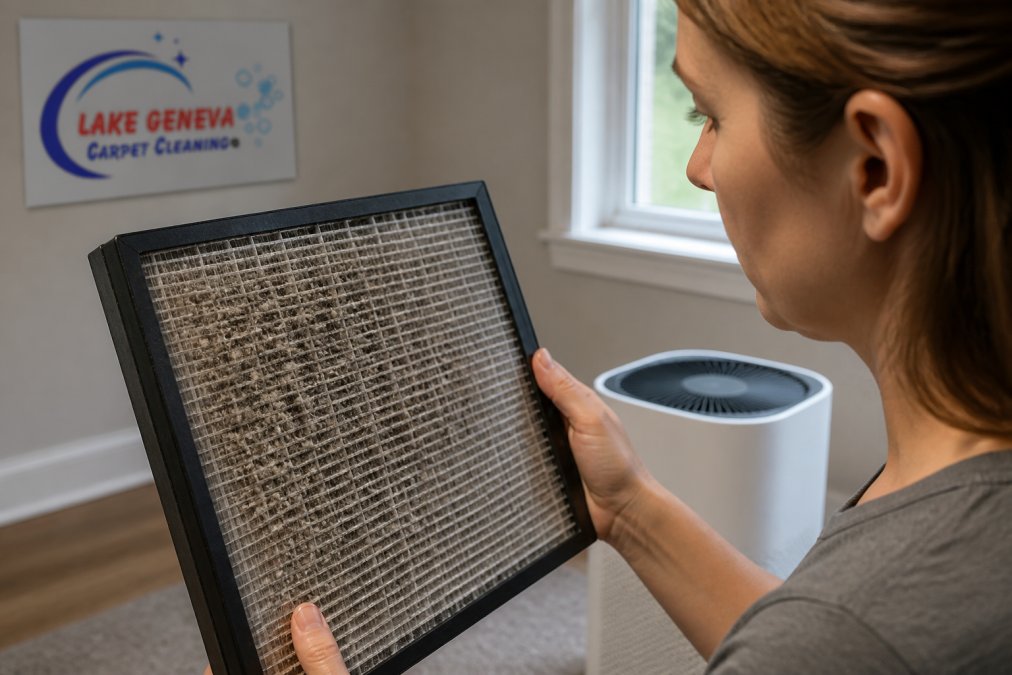
- Visible dust buildup on the filter surface
- Reduced airflow from vents
- Musty or stale odors returning
- Increased allergy symptoms despite running the system
Check your filter monthly, even if you’re not due for replacement. Visual inspection catches clogged filters early and prevents the system from working harder than necessary.
A clogged filter forces your system to work harder, using more energy and delivering less clean air. Staying ahead of replacement schedules keeps your system efficient and your air genuinely clean.
Assessing Your Home Size and Airflow Requirements
Room size determines airflow requirements. A small bedroom needs less air exchange than a large open living area. Manufacturers rate air purifiers by the square footage they can effectively clean, usually expressed as “recommended room size.”
Air exchange rate is how many times per hour the system filters all the air in a room. Higher exchange rates mean faster pollutant removal. Most systems aim for three to five air changes per hour. In allergy-prone homes, six to eight changes per hour provides better results.
Placing a purifier in a corner or behind furniture severely limits its effectiveness. Position it in a central location where air can circulate freely around the unit. Poor placement means wasted filter life and inadequate air cleaning.
Indoor Air Quality Tips for Wisconsin Homes
Wisconsin’s climate and seasonal changes create unique air quality challenges that affect filter selection and maintenance.
Choosing Filters for Specific Allergen and Pollutant Concerns
Different allergens and pollutants require different filtration approaches.
Pet owners need strong HEPA filtration combined with activated carbon. Pet dander is microscopically small and requires HEPA-level capture. Pet odors require carbon absorption. A MERV 13 or higher HEPA filter paired with activated carbon addresses both problems.
Allergy sufferers should prioritize HEPA filtration with high CADR ratings for dust and pollen. If you’re allergic to specific pollens, check the filter’s effectiveness against those particular allergens. Some filters target ragweed specifically, while others focus on tree pollen.
Asthma patients benefit from the most aggressive filtration available. MERV 16 or medical-grade HEPA filters capture the smallest particles that trigger respiratory distress. Running the system continuously during high-pollen seasons provides maximum protection.
Mold-sensitive individuals need HEPA filters rated for mold spore capture, plus humidity control. Mold spores are larger than many allergens, so standard HEPA filtration works well. However, mold grows in damp environments, so addressing moisture is equally important.
Chemical sensitivity requires activated carbon filtration. People sensitive to off-gassing from new furniture, cleaning products, or paint need filters that absorb volatile organic compounds. Carbon filters excel at this task.
Smokers and cooking odors demand substantial activated carbon capacity. Standard carbon filters become saturated quickly in homes with regular cooking smells or smoking. Larger carbon filter sections or more frequent replacement keeps odors under control.
Maintenance, Replacement, and Environmental Considerations
Monthly inspections catch problems early. Hold the filter up to light and look for dust accumulation. If light barely passes through, replacement is overdue. Don’t wait for the scheduled replacement date if the filter is visibly clogged. A clogged filter forces your system to work harder, uses more energy, and delivers less clean air.
Never wash or vacuum HEPA filters. Cleaning damages the delicate mesh structure and reduces efficiency. Once a HEPA filter is clogged, replacement is the only option. Some manufacturers claim washable HEPA filters, but they never perform as well as disposable ones after washing. Activated carbon filters can’t be cleaned either, the carbon becomes saturated with absorbed odors and gases, and washing doesn’t restore its absorptive capacity.
The filter replacement cycle and energy use:
How often you replace filters directly affects both your system’s efficiency and your environmental footprint. Filters that clog quickly force more frequent replacements, which means more waste and more trips to dispose of used filters. A properly sized system running efficiently requires fewer replacements and uses less electricity over time.
Environmental impact and responsible disposal:
Millions of air purifier filters end up in landfills annually. Most filters are not recyclable through standard municipal programs because they contain fiberglass, activated carbon, and plastic frames. However, responsible disposal options exist:
Manufacturer take-back programs: Some filter manufacturers accept used filters for recycling or proper disposal. Contact the filter’s manufacturer to ask whether they offer a mail-back program or drop-off locations. This is the most environmentally responsible option if available.
Hazardous waste facilities: Some Wisconsin counties and municipalities accept used air filters at hazardous waste collection events or permanent drop-off centers. Check your local county waste management website for collection schedules and locations.
Landfill disposal: If no recycling option exists, seal used filters in a bag before placing them in your trash. This prevents dust and particles from escaping during transport.
Avoid burning: Never burn used air filters, as this releases fiberglass particles and other contaminants into the air.
Don’t simply throw used filters loose into the trash. Seal them in a bag first to contain dust and particles, and keep them away from children and pets during storage.
Choosing filters with sustainability in mind:
A high-quality filter that lasts longer may have a lower overall environmental footprint than cheaper filters requiring replacement every month. Consider the long-term environmental cost of your filtration choice:
Filter lifespan: A filter rated to last six months generates less waste than one lasting three months, even if the longer-lasting filter costs more initially.
System efficiency: A properly sized system uses less electricity and requires fewer filter changes. An oversized system running at partial capacity wastes energy; an undersized system clogs quickly and requires constant replacement.
Seasonal adjustment: Rather than running a high-capacity system year-round, many Wisconsin homeowners find that using a standard filter during low-pollen winter months and upgrading to a higher-CADR filter during spring and fall pollen seasons reduces overall waste while maintaining air quality when it matters most.
Combination vs. single-purpose filters: A combination filter (HEPA plus activated carbon in one unit) may last longer and require fewer total replacements than running separate HEPA and carbon filters, reducing packaging waste and disposal frequency.
Frequently Asked Questions
What is the difference between HEPA and carbon air filters?
HEPA filters capture fine particulate matter like dust, pollen, and pet dander through a dense mesh that traps particles as small as 0.3 microns. Carbon filters use activated carbon to absorb odors, volatile organic compounds, and gases. Many air purifiers combine both: HEPA handles particles while activated carbon addresses odors and chemical contaminants. Your choice depends on whether you prioritize allergen reduction or odor elimination.
How often should I change my air purifier filter?
Filter replacement frequency depends on air quality and usage. A clogged filter reduces airflow and filtration efficiency, making regular replacement essential for maintaining indoor air quality.
What does the CADR rating mean when choosing a filter?
CADR (Clean Air Delivery Rate) measures how quickly an air purifier removes smoke, dust, and pollen from a room. Higher CADR numbers indicate faster air cleaning. CADR ratings help you compare different models objectively.
Do air purifiers help with seasonal allergies in Wisconsin?
Yes, air purifiers with HEPA filters significantly reduce airborne allergens like pollen, mold spores, and dust mites that trigger seasonal allergies. Wisconsin’s climate brings seasonal pollen surges and humidity that promote mold growth. A quality HEPA filter removes these common allergens from indoor air.