Table of Contents
- Why Professional Hot Water Extraction Beats Rental Machines
- The Science of the Clean: How Hot Water Extraction Works
- 5 Key Benefits of Professional Hot Water Extraction
- Truck-Mounted vs. Portable Systems: What’s the Difference?
- How Often Should You Schedule Carpet Cleaning?
- How to Prepare for Professional Carpet Cleaning
- What to Do After Cleaning: Post-Care Tips for Lasting Results
- Conclusion: Experience the Benefits of Professional Hot Water Extraction in Lake Geneva
- Frequently Asked Questions
Last Updated: September 6, 2026
Why Professional Hot Water Extraction Beats Rental Machines
Most homeowners assume a weekend trip to the store for a rental machine will deliver the same results as hiring a professional. After seeing carpets cleaned both ways across Lake Geneva for over 32 years, the difference is not subtle, and the benefits of professional hot water extraction are dramatically more visible than what any DIY approach can achieve. At Lake Geneva Carpet Cleaning, we have built our entire process around this method because it simply outperforms every alternative we have tested.
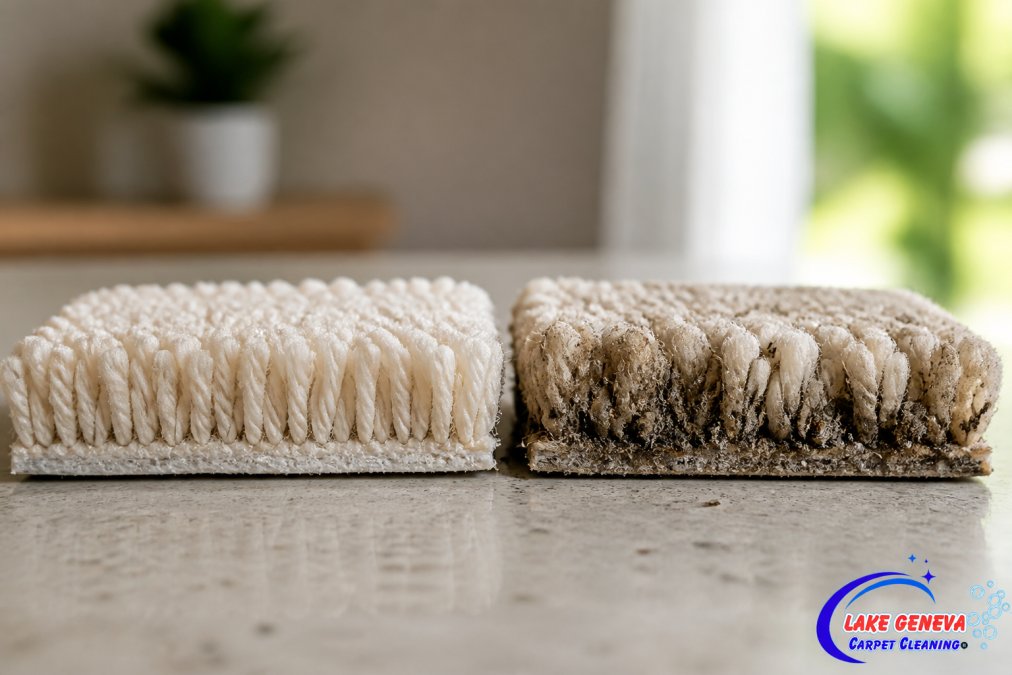
The core issue is that rental machines operate at lower water temperatures and weaker suction. They spray a mixture onto the surface, agitate it briefly, and then attempt to pull it back up. What actually happens is that the solution soaks into the lower layers of the pile, where it mixes with existing dirt to create a residue that attracts even more soil over the following weeks. This is why carpets often look clean for a short period and then appear dingy again quickly.
Professional truck-mounted systems generate heat levels that rental units cannot match, and they extract moisture with several times the suction power. The result is a genuinely deeper clean that removes soil rather than redistributing it.
The Physics of the Rental Machine Shortfall
The gap isn’t just about power, it’s about the physics of cleaning. A rental machine’s wand typically relies on a spray-and-suck action that operates at the carpet’s surface. The cleaning solution it dispenses is often not heated to the temperature needed to break down the waxy, oily films that bind dirt to fibers. These films are a mix of body oils, cooking grease aerosols, and pet sebum that settle into the pile. When a rental machine’s cooler solution fails to dissolve these films, the dirt remains glued to the fiber, and the machine’s limited suction simply pulls the water from the top of the pile, leaving the lower two-thirds of the carpet still soiled.
Professional truck-mounted systems, by contrast, deliver water at a temperature that is hot enough to melt these oils and emulsify them into the water stream. The high-pressure injection forces this heated solution down to the base of the pile, and the industrial vacuum then creates a pressure differential that pulls the water, the emulsified oils, and the suspended soil out of the carpet in one pass. This is not a surface wash; it is a deep flushing of the entire fiber structure.
The Residue Trap: Why DIY Cleaning Can Make Things Worse
A common pattern we see in Lake Geneva homes is a carpet that looks clean for a week, then quickly develops a “dirty” appearance in high-traffic lanes. This is often the result of a residue trap. Store-bought cleaning solutions, especially those designed for rental machines, frequently contain high levels of detergents that are not fully extracted by the weaker suction. These detergents dry into a sticky residue within the fiber.
This residue acts like a magnet for new dirt. Every footstep grinds fresh soil into this sticky base, which accelerates the soiling process. The carpet doesn’t just look dirty faster, it is actually being abraded by the grit that is now trapped in the residue. A professional hot water extraction system, with its superior rinse and extraction phases, is designed to leave the carpet fiber free of this sticky film, which is why professionally cleaned carpets stay cleaner for longer.
The Hidden Cost of Time and Effort
Beyond the quality of the clean, there is the hidden cost of your own time and physical effort. Renting a machine involves picking it up, hauling it into your home, and spending several hours maneuvering a heavy wand across every room. The machine’s water tank needs frequent refilling and emptying, and the cleaning solution must be mixed correctly. For a whole-home cleaning, this process can consume an entire weekend, leaving you exhausted and with a house full of wet furniture.
A professional service handles all of that logistics. The technician arrives with the equipment already set up, the solution pre-mixed, and the experience to move furniture and navigate tight spaces efficiently. What would take you a full day takes a professional team a few hours, and the result is a deeper clean that doesn’t leave you with the physical toll of wrestling with heavy equipment.
The difference between a rental machine and a professional truck-mounted system is not a matter of degree; it is a difference in kind. The professional system cleans the entire fiber, while a rental machine often only wets the surface and leaves behind a residue that accelerates re-soiling.
The Science of the Clean: How Hot Water Extraction Works
Hot water extraction is the process of injecting heated, pressurized water and cleaning solution deep into the carpet fibers, then immediately extracting the liquid, along with suspended soil and contaminants, using high-powered vacuum suction. This is the industry standard for a reason.
The sequence matters. First, a pre-treatment solution is applied to break down oils and ground-in dirt. Next, the wand delivers the hot water rinse, which drives the solution through the pile to the base of the carpet. Finally, the powerful vacuum pulls the water back out, carrying the dislodged soil with it. The high temperature serves a dual purpose: it helps dissolve stubborn grime, and it contributes to sanitization by neutralizing many common household bacteria and dust mites.
What separates a professional job from a surface-level pass is the balance of heat, pressure, and suction. Too little heat leaves oily residues behind. Too much water without adequate extraction leaves carpets wet for a full day, which risks mold growth in lower levels or basements. Professionals calibrate this balance for your specific carpet type and condition.
5 Key Benefits of Professional Hot Water Extraction
The advantages of this method extend far beyond appearances. Here are the five most significant benefits of professional hot water extraction for your Lake Geneva home.
1. Removes Deep-Seated Dirt and Grime
Every step on a carpet grinds abrasive particles into the fibers. Over time, this deep-seated grime acts like sandpaper, cutting the carpet pile and dulling its color. Regular vacuuming only captures surface debris; it cannot reach the soil that settles at the base of the fibers.
Professional hot water extraction forces those particles into suspension in the water, where they are then removed entirely from the home. This process restores the carpet fiber’s appearance and leaves it feeling noticeably softer underfoot. Homes near the lake also track in seasonal contaminants like road salt, sand, and fine silt, which require this level of extraction to fully remove.
2. Eliminates Allergens and Improves Indoor Air Quality
Carpets act as a filter for your home, trapping dust, dander, pollen, and other airborne particles. Over time, this filter becomes saturated, and the allergens can be released back into the air you breathe every time someone walks across the room.
Hot water extraction is a powerful tool for allergen removal. The high-pressure rinse flushes out dust mites and their waste products, pet dander, and other microscopic irritants from deep within the pile. For allergy sufferers who have tried vacuuming with HEPA filters and still struggle, this type of deep cleaning for indoor air quality often provides noticeable relief. According to guidance from the Environmental Protection Agency on indoor air quality, controlling sources of pollutants and improving ventilation are key steps, and removing accumulated dust from carpets is a significant part of that effort.
3. Eradicates Pet Stains and Odors at the Source
Pet accidents are more than a surface problem. Urine soaks through the carpet and into the padding underneath, where bacteria continue to break it down, releasing that recurring odor you notice weeks after cleaning. Surface sprays and store-bought spot cleaners only address the top of the pile, which is why the smell always returns.
Professional hot water extraction addresses the source. The cleaning agents break down the uric acid crystals and bacteria, and the strong extraction pulls the contaminated solution out of the padding. This is how you permanently resolve the smell of old pet accidents rather than temporarily masking it. For severe cases, a professional can also apply a specialized enzyme treatment after the extraction to neutralize any remaining organic matter.
4. Extends Carpet Lifespan and Protects Your Investment
Carpet is one of the more expensive surfaces in a home, and replacing it is a major project. The abrasive grit that gets ground into the fibers does permanent damage, cutting the pile and causing premature wear in the high-traffic lanes of your home.
Removing that grit on a regular schedule slows the deterioration process significantly. Think of it like changing the oil in your car: it is routine maintenance that prevents a much larger, more expensive failure down the road. Professional deep cleaning can help maintain the manufacturer’s warranty.
5. Reduces Carpet Drying Time After Extraction
One of the most common concerns we hear from homeowners is the fear of carpets staying wet for a full day or longer. This worry is valid, especially for those with basements or homes prone to humidity. The risk of mold and mildew is real when carpets remain saturated.
The drying time science comes down to extraction power. A professional truck-mounted system removes the vast majority of the water it injects, leaving the carpet merely damp rather than soaked. This is a key benefit of professional hot water extraction: carpets typically dry in a few hours rather than a full day. Portable machines, by contrast, lack the suction power to pull out sufficient moisture, which is why they leave carpets wet for so long.
Truck-Mounted vs. Portable Systems: What’s the Difference?
The type of equipment used makes a measurable difference in the outcome. Truck-mounted systems, like the ones used by Lake Geneva Carpet Cleaning, are essentially industrial-grade cleaning units installed in a vehicle. They generate significantly higher water temperatures and far greater vacuum suction than any portable unit can produce.
Portable systems are what you see in rental machines or in the vans of some budget cleaning outfits. They run on standard electrical outlets, which limits their heating capacity and suction power. While they can clean the surface of the carpet, they struggle to extract deeply embedded soil and leave behind more moisture, which prolongs drying times and increases the risk of mold in humid conditions.
| Feature | Truck-Mounted System | Portable System |
|---|---|---|
| Water Temperature | Consistently high, sanitizing heat | Limited by 110V power source |
| Suction Power | Industrial-grade extraction | Moderate; leaves more moisture |
| Drying Time | Usually 2-4 hours | Often 12-24+ hours |
| Cleaning Depth | Reaches base of pile and padding | Primarily surface-level |
| Best For | Whole-home deep cleaning | Spot cleaning and small areas |
The choice is clear for a whole-home deep clean. A truck-mounted system delivers the heat and suction required to achieve the full benefits of professional hot water extraction, ensuring a cleaner home and faster drying times.
How Often Should You Schedule Carpet Cleaning?
Most carpet manufacturers recommend a professional deep cleaning every 12 to 18 months to maintain warranty coverage. However, the ideal frequency for your home depends on your specific household. Homes with heavy foot traffic, multiple pets, or family members with allergies should schedule professional cleaning more often, typically every 6 to 12 months.
A practical approach is to clean twice a year as a baseline. This keeps soil from accumulating to the point where it damages fibers, and it keeps allergen levels low. If you have shedding pets, you may need to add a third cleaning or at least a targeted spot treatment for high-traffic areas. Consider this a maintenance schedule calculator: the more active your household, the shorter the interval should be.
A Custom Maintenance Schedule for Your Lake Geneva Home
Instead of a one-size-fits-all answer, use this household-specific framework to determine the right interval for your carpets. The goal is to remove abrasive soil before it cuts the fibers, and to control allergens before they impact your family’s health.
Low-Impact Household (Singles or Couples, No Pets, No Shoes Indoors)
- Recommended Interval: Every 18 to 24 months.
- Why: With minimal foot traffic and no pets, the primary soil is dust that settles from the air. A professional cleaning every two years is generally sufficient to remove this fine particulate and maintain fiber integrity.
- Watch For: If you notice the carpet pile looking flat or matted in front of your favorite chair or sofa, move up your cleaning schedule.
Standard Family (2-4 People, Occasional Guests, Shoes Off at the Door)
- Recommended Interval: Every 12 to 18 months.
- Why: This is the baseline that most manufacturers cite. Regular foot traffic grinds in a moderate amount of soil, and an annual or semi-annual cleaning keeps the abrasive particles from building up to damaging levels.
- Watch For: If you see a visible “traffic lane” pattern where the carpet looks darker or duller, it’s time to schedule a cleaning.
High-Traffic or Pet-Friendly Home (Kids, Pets, or a Busy Entryway)
- Recommended Interval: Every 6 to 9 months.
- Why: Pets track in soil, dander, and the occasional accident. Kids bring in outdoor grit and spills. This combination quickly saturates the carpet with allergens and abrasive particles. A more frequent schedule is essential to protect both the carpet and your indoor air quality.
- Watch For: If you can smell your pet’s presence when you walk into the room, or if allergy symptoms flare up at home, don’t wait for the scheduled interval, call for a cleaning sooner.
Homes with Allergy or Asthma Sufferers
- Recommended Interval: Every 3 to 6 months.
- Why: Carpets are a major reservoir for dust mites, pollen, and pet dander. For sensitive individuals, a professional extraction that removes these microscopic triggers is a critical part of managing symptoms. The high-temperature rinse is particularly effective at neutralizing dust mite populations.
- Watch For: A noticeable improvement in symptoms for a few weeks after cleaning is a sign that the carpet was a significant contributor. Maintain a shorter interval to keep those levels low.
The Seasonal Factor in Wisconsin
Living in Wisconsin presents a unique challenge for carpets. The long winter months mean months of closed windows and recirculated indoor air, which allows dust and dander to accumulate. Then, spring and fall bring melting snow and rain, which tracks in moisture, road salt, and fine silt. This seasonal cycle means that a cleaning in the spring is particularly important to remove the salt and grit from winter, and a cleaning in the fall can help reset the home before the windows are sealed shut again.
A good rule of thumb for Lake Geneva homeowners is to schedule a cleaning after the last frost in the spring and again before the first major snowfall in the late fall. This aligns your cleaning schedule with the natural cycles of soil and moisture in our region.
Mark your calendar for the first week of May and the first week of October. These are ideal times to schedule your professional hot water extraction to combat the specific seasonal soil patterns of Wisconsin.
How to Prepare for Professional Carpet Cleaning
Preparing for your appointment takes about 15 minutes and ensures the best possible results. First, clear the floors of small items like toys, shoes, and cords. Move lightweight furniture out of the rooms being cleaned if you can; the technicians can handle heavier pieces, but clearing the path speeds up the process.
Next, point out any specific problem areas to the technician before they start. If you have a pet stain that keeps reappearing or a spot near the entryway that never looks clean, mention it. A professional will give those areas extra attention during the pre-treatment phase. Finally, make sure the technician has access to a water source and a place to park their truck close to an exterior faucet.
What to Do After Cleaning: Post-Care Tips for Lasting Results
The work does not end when the technician packs up their equipment. How you care for your carpets in the days and weeks after a professional cleaning determines how long the results will last.
First, avoid walking on the carpet until it is completely dry, which typically takes a few hours with a truck-mounted system. Keep pets off the damp carpet as well, as their paws can track in new dirt. Once dry, vacuum thoroughly to lift any remaining fibers that were flattened during the cleaning process.
To extend the life of your clean, place walk-off mats at exterior doors to capture grit before it reaches the carpet. Remove shoes indoors if possible, and address spills immediately with a blotting motion rather than rubbing. These habits, combined with regular professional deep cleaning, will keep your carpets looking fresh and extend their lifespan significantly.
Conclusion: Experience the Benefits of Professional Hot Water Extraction in Lake Geneva
The benefits of professional hot water extraction are clear: a healthier home, fresher carpets, and a longer lifespan for your flooring investment. If you have tried rental machines or other providers without lasting results, the difference is in the equipment and the expertise behind it. Our service at Lake Geneva Carpet Cleaning uses state-of-the-art, truck-mounted hot water extraction technology to remove embedded dirt, allergens, and odors that surface cleaning simply cannot reach. As an owner-operated business with over 32 years of experience serving Wisconsin homeowners, we bring meticulous attention to detail to every job, backed by a 10-day satisfaction guarantee. Get started with Lake Geneva Carpet Cleaning and breathe new life into the heart of your home.
Frequently Asked Questions
Does hot water extraction remove allergens from carpets?
Yes. Professional hot water extraction is highly effective at removing allergens like dust mites, dander, and pollen from deep within the carpet pile. The high-pressure rinse and powerful extraction pull these particles out of the carpet and padding, rather than just moving them around on the surface. This process significantly improves indoor air quality, which is especially beneficial for allergy sufferers. Unlike standard vacuuming, which only captures surface debris, hot water extraction addresses the deep-seated contaminants that trigger allergic reactions.
How long does it take for carpets to dry after hot water extraction?
Carpet drying time after extraction depends on the equipment used. Professional truck-mounted systems extract much more water than rental machines. Factors like humidity, airflow, and carpet thickness also play a role. To speed up the process, open windows, turn on ceiling fans, and avoid walking on the carpet until it’s dry to prevent new dirt from settling in.
Why is professional extraction better than rental machines?
Professional hot water extraction is superior to rental machines for several key reasons. First, the water temperature in a professional truck-mounted system is significantly higher, which is crucial for breaking down oils, soils, and bacteria. Second, the extraction power is much stronger, meaning more water and dirt are removed from the carpet, leading to faster drying times and a deeper clean. Finally, professionals have the experience to treat different carpet fibers correctly, preventing damage.
How often should I have my carpets professionally cleaned in Lake Geneva?
For most homes, having your carpets professionally cleaned every 12 to 18 months is sufficient to maintain their appearance and lifespan. However, you may need more frequent cleaning, such as every 6 to 12 months, if you have pets, children, or family members with allergies. High-traffic areas may also require more attention. A professional can assess your carpet’s condition and recommend a maintenance schedule tailored to your household’s specific needs.