Table of Contents
- What Are Dust Mites and Why They Live in Carpet
- Signs of Dust Mites in Carpet You Shouldn’t Ignore
- Control Humidity Levels to Stop Dust Mite Growth
- Wash Bedding and Linens in Hot Water Weekly
- Vacuum Carpets Correctly and Frequently
- Use Allergen-Proof Covers and Reduce Household Clutter
- Professional Carpet Cleaning Benefits for Dust Mite Removal
- How to Reduce Dust Mite Allergies and Improve Indoor Air Quality
- Conclusion: Breathe Easier with a Dust Mite Control Plan
Last Updated: August 27, 2026
What Are Dust Mites and Why They Live in Carpet
Dust mites are microscopic allergens that thrive in warm, humid environments. These tiny creatures feed on dead skin cells that naturally shed from humans and pets, making your carpet an ideal habitat. A single dust mite produces waste particles that trigger allergic reactions in millions of people, and your carpet fibers trap thousands of them deep within the pile where vacuums struggle to reach.
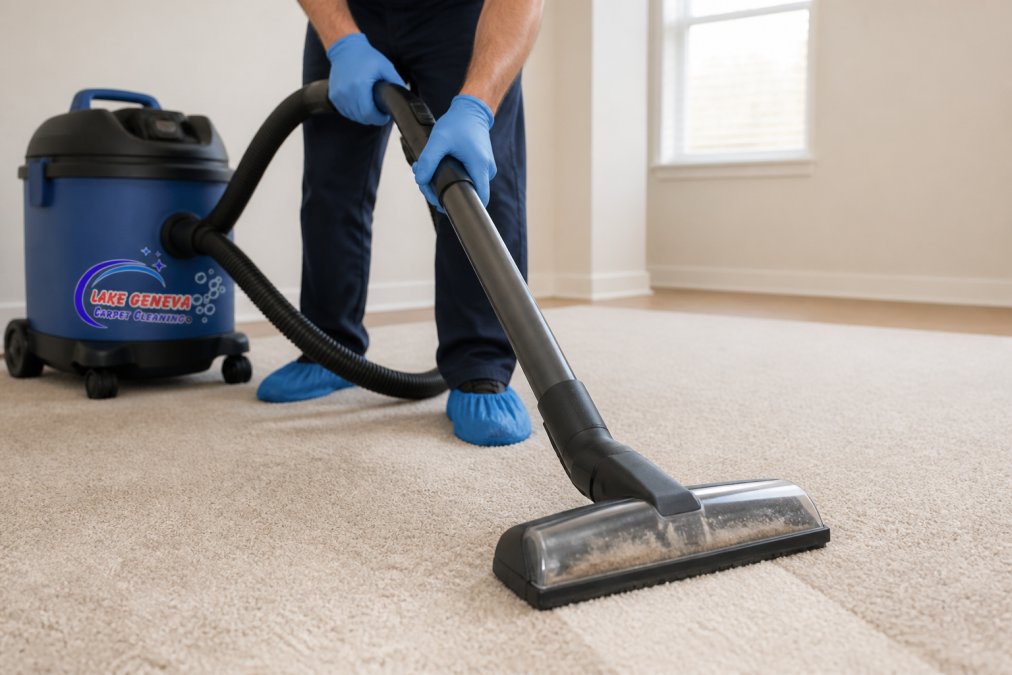
Dust mites in carpet are one of the most common indoor air quality problems homeowners face, especially in humid climates like Wisconsin. They don’t bite or carry disease, but their waste contains proteins that cause respiratory symptoms, itchy eyes, and skin reactions. The deeper the carpet fiber, the more protected these colonies become from surface cleaning methods.
What makes dust mites so persistent is their reproduction cycle. In ideal conditions, a population can double in just two weeks. Once they establish themselves in your carpet padding, they multiply rapidly unless you actively control humidity and remove the conditions they need to survive. This is why surface vacuuming alone rarely solves the problem.
Understanding where dust mites hide helps explain why some cleaning methods work and others don’t. They burrow into carpet fibers, settle in the padding underneath, and accumulate in areas where foot traffic is light. A bedroom carpet, for example, often harbors far more mites than a hallway because the environment stays warmer and more stable.
Dust mites don’t live on carpet surfaces, they nest deep in the fibers and padding. This is why vacuuming alone can’t eliminate them completely. You need methods that reach the fiber depth where they hide.
Signs of Dust Mites in Carpet You Shouldn’t Ignore
The clearest indicator of a dust mite problem is a pattern in your symptoms. If your allergies worsen when you wake up, spend time in bedrooms, or sit on carpeted areas, dust mites in carpet are likely the culprit. Morning congestion, sneezing, or itchy eyes that improve once you leave the carpeted room are strong signals.
Respiratory symptoms from dust mite exposure include wheezing, coughing, and shortness of breath, particularly in people with asthma. Children and elderly family members often show symptoms first because their immune systems are more sensitive. If multiple household members develop similar allergy symptoms without an obvious cause, your carpet environment may be supporting a large mite population.
Physical signs are harder to spot because dust mites are invisible to the naked eye. However, you might notice musty or stale odors in carpeted rooms, especially after the space has been closed for several hours. This smell often indicates high humidity and microbial growth, conditions where dust mite populations explode.
Pet owners sometimes notice their animals scratching or showing skin irritation more frequently. While pets don’t develop typical allergies like humans, they react to the same allergen-rich environment. If your dog or cat spends time on carpet and develops itching or respiratory symptoms, dust mite colonization may be part of the problem.
Ignoring dust mite symptoms doesn’t make them go away, it typically makes them worse. Untreated dust mite allergies can develop into chronic respiratory conditions or worsen existing asthma. The longer you wait to address the problem, the deeper the mite population becomes established in your carpet.
Control Humidity Levels to Stop Dust Mite Growth
Dust mites cannot survive in dry conditions. They require relative humidity above 50% to reproduce and thrive (the CDC). By maintaining your home’s humidity between 30% and 50%, you create an environment where mite populations cannot sustain themselves.
A dehumidifier is one of the most effective tools for dust mite control. If you live in a humid region, running a dehumidifier in bedrooms and other carpeted spaces reduces moisture in the air and in carpet fibers themselves. This single change often produces noticeable improvements in allergy symptoms within two to three weeks.
Proper ventilation also controls humidity naturally. Opening windows on dry days, running exhaust fans in bathrooms, and ensuring your HVAC system circulates air effectively all help reduce moisture. In Wisconsin’s climate, winter months offer natural dehumidification, but summer humidity can spike quickly if you’re not actively managing it.
Check your carpet padding for moisture damage, as damp padding becomes a breeding ground for dust mites and mold. If you notice soft spots, discoloration, or musty smells coming from beneath your carpet, moisture has already accumulated in the padding. This is a sign that professional intervention is needed to prevent further mite colonization and potential structural damage.
Monitor humidity with an inexpensive hygrometer, available at any hardware store. Place one in your bedroom and another in the main living area to track daily fluctuations. Most people find that running a dehumidifier during humid months and maintaining good air circulation keeps humidity in the safe zone year-round.
The single most effective way to stop dust mite growth is humidity control. Without moisture, mites cannot reproduce. A dehumidifier and proper ventilation are your first line of defense before any other cleaning method.
Wash Bedding and Linens in Hot Water Weekly
Hot water kills dust mites and breaks down the allergens in their waste. Washing your sheets, pillowcases, and blankets in water heated to at least 130°F once a week removes mites and allergen-proof your sleeping environment.
Most household washing machines heat water to 120°F by default, which is below the threshold needed to reliably kill dust mites. Check your water heater settings or use the "hot" cycle on your machine to ensure adequate temperature. If your machine has a sanitize cycle, use it for bedding to guarantee mite elimination.
Mattresses and pillows accumulate the highest concentration of dust mites in your home because you spend eight hours a night in close contact with them. Washing your pillowcase weekly is essential, but you should also wash your mattress pad or topper if you use one. For the mattress itself, use an allergen-proof encasement that prevents mites from entering or escaping.
Dust mite populations in pillows can become so dense that washing the pillowcase alone doesn’t solve the problem. Consider replacing pillows every 12-18 months if you have significant allergies, or invest in hypoallergenic pillows filled with synthetic materials that resist mite colonization. Down pillows, while comfortable, are particularly attractive to dust mites.
Blankets, comforters, and duvets should also be washed in hot water at least monthly. If you have a severe dust mite allergy, weekly washing of all bedding is worth the effort. The improvement in sleep quality and morning symptoms often justifies the additional laundry load.
Vacuum Carpets Correctly and Frequently
Vacuuming removes surface dust and debris where dust mites feed, but only if you use the right technique and equipment. A standard vacuum with a basic filter cannot trap the smallest allergen particles. You need a HEPA filtration system to capture the micro-particles that cause allergic reactions.
HEPA filters trap 99.97% of particles 0.3 microns and larger, which includes dust mite waste and skin cells (the EPA). This matters because a single dust mite produces fecal pellets roughly 10-40 microns in diameter, but when those pellets break down and become airborne, they fragment into particles as small as 0.5 microns. Regular vacuums with standard filters (typically rated to 5-10 microns) release much of what they collect back into the air as you clean, actually increasing airborne allergen concentration. If you’re vacuuming with a non-HEPA machine, you may be making your allergy symptoms worse, not better.
Consumer-grade HEPA vacuums differ significantly from the industrial truck-mounted extraction systems used in professional cleaning. Consumer HEPA models rely on air-only suction and filter capture, which works for loose surface debris but cannot extract mites and allergens embedded deep in carpet padding. The suction power of a household vacuum is insufficient to pull moisture and debris from the base of the carpet pile where mite colonies concentrate. Industrial extraction equipment uses heated water injection, creating a fundamentally different cleaning mechanism that reaches depths household equipment cannot access.
Vacuum high-traffic areas twice a week and lower-traffic areas once weekly. Bedrooms deserve extra attention because dust mites concentrate there. Use slow, overlapping strokes to allow the vacuum to extract debris from deep within the carpet fibers. Rushing through vacuuming misses the accumulated dust and mites in the fiber depth. The slower your pass, the more time the vacuum has to extract particles from the pile.
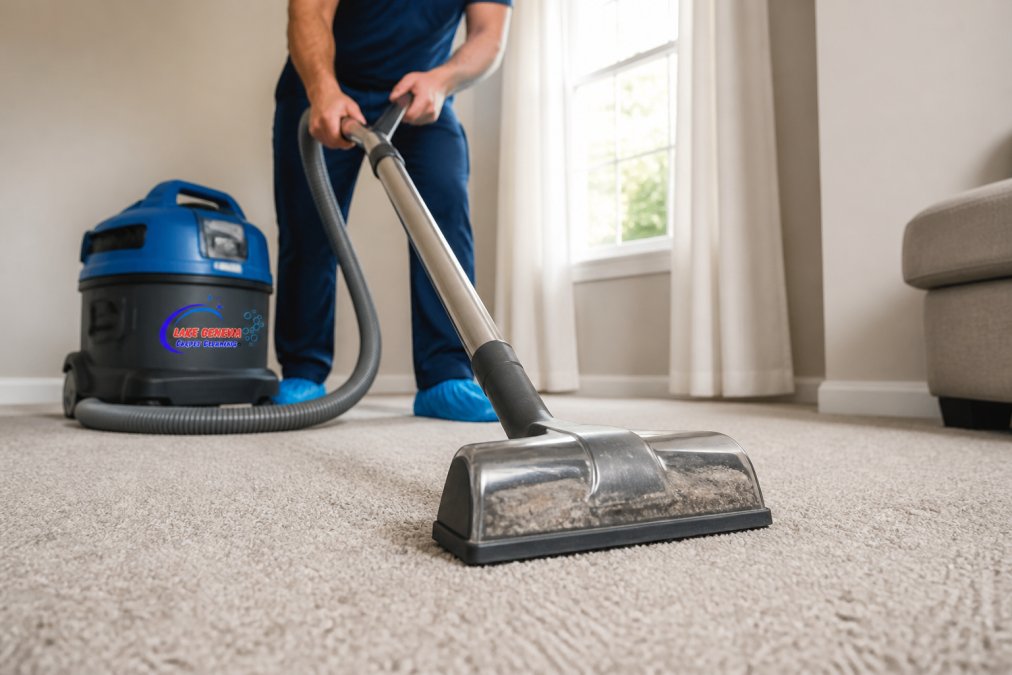
Bagged vacuums are preferable to bagless models because they contain dust and allergens inside a sealed bag. When you empty a bagless vacuum, you release a cloud of dust mites and allergens back into the air. If you must use a bagless vacuum, empty it outdoors and wear a mask to avoid inhaling the contents.
Check and replace your vacuum filter regularly. A clogged filter reduces suction and forces the vacuum to work harder while collecting less. Many HEPA filters need replacement every 6-12 months depending on use. A clean filter maintains strong suction and ensures allergen particles stay trapped inside the vacuum rather than recirculating into your home.
Even with perfect vacuuming technique and HEPA filtration, household vacuums cannot eliminate dust mites completely because they cannot reach the padding layer where the largest colonies establish themselves. This is why vacuuming alone, regardless of frequency or equipment quality, provides only temporary relief. It removes allergens from the surface and upper fiber layers but leaves the breeding population intact in the padding below.
Use Allergen-Proof Covers and Reduce Household Clutter
Allergen-proof encasements for mattresses and pillows create a physical barrier that prevents dust mites from entering or escaping. These covers have a weave tight enough to block mites while remaining breathable for comfort. They’re one of the most effective single interventions for dust mite allergy sufferers.
Install encasements on your mattress, box spring, and all pillows. Leave them in place permanently, not just seasonally. The initial investment is modest, and the long-term reduction in symptoms justifies the cost. Most quality encasements last several years and can be washed regularly to maintain their allergen-blocking properties.
Household clutter provides hiding places and dust accumulation surfaces that support dust mite populations. Soft furnishings like stuffed animals, decorative pillows, and upholstered furniture harbor mites just as readily as carpet. Reducing clutter in bedrooms and frequently dusted areas minimizes mite habitat.
Remove unnecessary items from bedroom surfaces and closet shelves. The fewer objects you have to dust, the less dust accumulates, and the fewer places mites can colonize. This is particularly important in bedrooms where you spend extended time and where dust mite populations have the greatest impact on your health.
Washable area rugs can be removed and laundered in hot water, but wall-to-wall carpet is harder to treat. If you have severe dust mite allergies, replacing carpet with hard flooring like tile or laminate in bedrooms and main living areas eliminates the primary mite habitat. This is a significant investment, but it’s the most effective long-term solution for people with serious allergies.
Allergen-proof covers on your mattress and pillows work continuously, even while you sleep. They’re inexpensive insurance against dust mite colonization and pay for themselves through improved sleep quality and reduced allergy medication costs.
Professional Carpet Cleaning Benefits for Dust Mite Removal
Professional carpet cleaning using hot water extraction reaches depths that household vacuums cannot. The process forces heated water deep into carpet fibers and the padding beneath, where dust mite colonies live. This extraction method removes not just surface dust but the accumulated debris and allergen-rich waste that supports mite populations.
Hot water extraction, also called steam cleaning, is significantly more effective than dry cleaning or shampooing methods. The combination of heat and moisture creates an environment hostile to dust mites while the extraction suction removes them and their waste from the carpet. The water temperature, typically 200°F or higher in professional systems, kills dust mites on contact and breaks down the protein structure of their waste, rendering it non-allergenic (peer-reviewed research). Many people notice improved allergy symptoms within days of professional cleaning.
The difference between consumer rental machines and professional truck-mounted equipment is substantial. Rental machines typically operate at 100-150°F water temperature with 40-60 air watts of suction. Professional truck-mounted systems deliver 200°F+ water temperature with 200+ air watts of suction, plus the ability to inject water and extract simultaneously across the entire carpet surface. This dual-action process saturates the carpet and padding, then immediately removes the moisture along with suspended dust mites and allergens. A rental machine cannot achieve this level of extraction because it lacks the power and heat capacity of a truck-mounted unit.
Carpet material suitability also affects dust mite colonization and how effectively cleaning removes them. Synthetic fibers like polyester and nylon are less hospitable to dust mites than natural fibers like wool or cotton because synthetic materials don’t absorb moisture as readily. However, synthetic carpets with dense pile construction trap more dust and debris in the fiber depth, making them harder to clean with household equipment. Natural-fiber carpets absorb moisture more easily, creating ideal conditions for mite reproduction, but their looser weave sometimes allows better penetration by professional extraction equipment. Understanding your carpet type helps explain why some homes have persistent dust mite problems despite regular vacuuming, the fiber structure itself may be trapping allergens in ways that only professional-grade extraction can address.
Professional cleaning also addresses the carpet padding, which is often where the heaviest dust mite concentrations develop. Rental machines and household equipment rarely reach the padding effectively. When padding becomes saturated with dust mite waste and skin cells, surface cleaning provides only temporary relief. Professional extraction pulls water and debris from the padding layer, removing the organic material that supports mite colonies.
Frequency matters for dust mite control. Many people benefit from professional cleaning every 6-12 months to prevent mite populations from rebuilding. Those with severe allergies or homes with heavy foot traffic may need more frequent cleaning. A professional can assess your specific situation and recommend an appropriate schedule based on your carpet type, household size, humidity levels, and allergy severity.
Professional hot water extraction removes dust mites and allergens from carpet padding, the primary breeding ground that household vacuums cannot reach. This is why professional cleaning produces faster, more dramatic symptom improvement than any DIY method alone.
How to Reduce Dust Mite Allergies and Improve Indoor Air Quality
A comprehensive approach combining multiple methods produces the best results for dust mite allergy management. Humidity control, regular vacuuming with HEPA filtration, hot water washing of bedding, allergen-proof covers, and professional carpet cleaning work together to dramatically reduce dust mite populations and allergen exposure.
Start by identifying which rooms cause the worst symptoms. Bedrooms are usually the priority because you spend so much time there and dust mite exposure during sleep affects your rest quality. Focus your initial efforts on humidity control and bedding management in these high-impact areas.
Air purifiers with HEPA filters can supplement your other efforts by removing airborne dust mite allergens. While they don’t address the mites living in your carpet, they reduce the particles circulating in the air you breathe. Run air purifiers in bedrooms during sleep hours for maximum benefit.
Regular dusting with damp cloths rather than dry cloths prevents dust from becoming airborne. Dry dusting actually stirs up more allergens. A damp microfiber cloth captures dust and holds it rather than spreading it through the air. This simple change reduces the allergen load your respiratory system encounters throughout the day.
Monitor your symptoms over time. If allergy medications become less necessary or your symptoms improve significantly, your dust mite control efforts are working. If symptoms persist despite your efforts, professional cleaning may be the intervention you need to break the cycle.
Dust mites in carpet don’t disappear on their own, and standard cleaning methods rarely eliminate them completely. The combination of humidity control, regular hot water washing of bedding, HEPA vacuuming, and professional carpet cleaning creates an environment where mite populations cannot thrive. Lake Geneva Carpet Cleaning’s professional hot water extraction technology reaches the fiber depths and padding where mites hide, removing allergens that household methods miss. Contact Lake Geneva Carpet Cleaning for a free quote and discover how professional cleaning can transform your indoor air quality and reduce the dust mite allergens affecting your family’s health.
Frequently Asked Questions
Q: How do I know if my carpet has dust mites?
A: Dust mites themselves are invisible to the naked eye, but you can spot their presence through allergy symptoms like sneezing, itchy eyes, or congestion when you're in carpeted areas. Dust mite waste and microscopic allergens accumulate in carpet fibers, especially in high-traffic zones and bedrooms. If you notice increased respiratory symptoms indoors or wake with congestion, your carpet likely harbors dust mites. A professional inspection can confirm allergen levels and guide your treatment approach.
Q: What's the most effective way to reduce dust mite allergens in carpet?
A: The most effective approach combines multiple methods: maintain relative humidity below 50% using a dehumidifier, vacuum with HEPA filtration twice weekly, wash bedding in hot water weekly, and use allergen-proof covers on mattresses and pillows. Professional hot water extraction removes deeply embedded dust mite waste and allergens from carpet padding that household methods cannot reach. For severe allergies, professional deep cleaning followed by consistent maintenance provides the best allergen reduction and indoor air quality improvement.
Q: Can professional carpet cleaning remove dust mites?
A: Yes. Professional hot water extraction reaches deep into carpet fibers and padding where dust mites and their waste accumulate. The high temperature and suction power eliminate microscopic allergens and mite colonization sites that vacuuming alone cannot address. After professional cleaning, maintaining low humidity and regular vacuuming prevents rapid re-infestation. Many homeowners with dust mite allergies report significant symptom relief after professional sanitation, especially when combined with environmental controls.
Q: How often should I clean my carpet to control dust mites?
A: Vacuum high-traffic areas and bedrooms at least twice weekly with a HEPA-filter vacuum to remove surface dust mite waste and dander. Wash bedding weekly in hot water. Professional extraction every 6-12 months removes the deep accumulation in carpet fiber depth and padding that causes allergen buildup. In humid climates or homes with allergy sufferers, professional cleaning every 6 months combined with weekly vacuuming and humidity control provides optimal dust mite reduction and respiratory symptom management.
This article was written using GrandRanker